
Fulbright Foreign Student Program (Master’s Degree) Spotlight: Aulona Hoti
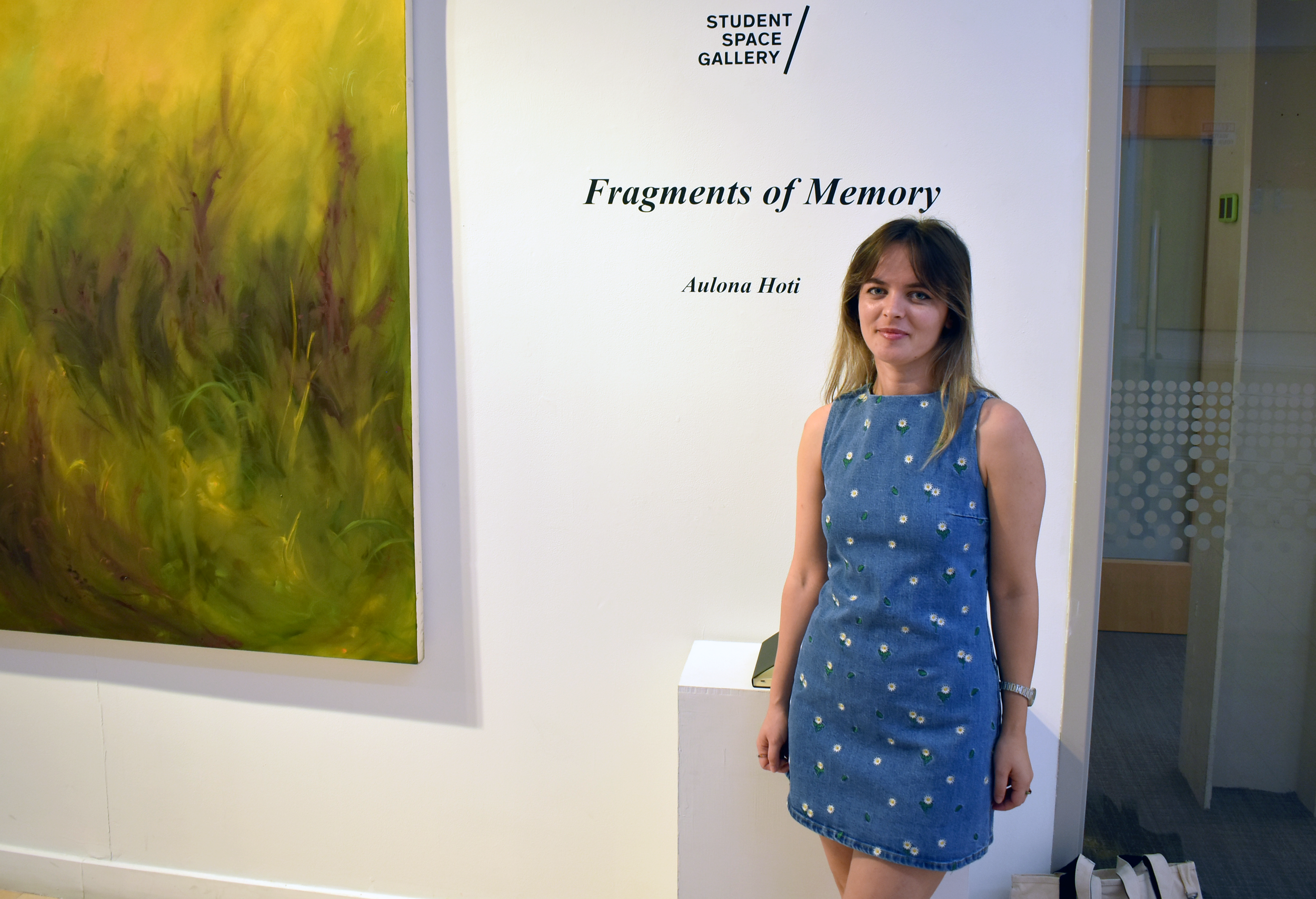
Aulona Hoti is a 2024–2026 Fulbright Foreign Student Program grantee currently in her second year of the MFA Painting program at the Maryland Institute College of Art (MICA) in Baltimore, Maryland. She reflects on the vibrant art community in Baltimore and MICA’s open, intellectually generous environment that fosters experimentation and critical dialogue. Through studio practice, critiques, teaching internships, and exhibitions, Aulona has refined her artistic voice, strengthened her conceptual focus, and gained confidence in presenting her work publicly.
The Fulbright Foreign Student Program brings citizens of Kosovo to the United States to study for master’s degrees at U.S. universities. The program has brought some of the world’s finest minds to U.S. campuses and offers program participants insight into U.S. society and values. Many foreign Fulbright grantees are early-career professionals who will return to take leadership positions in their home countries, often working in the public sector, including in government or at universities.
This program is jointly funded by the U.S. Department of State and the Government of Kosovo.
1. Where are you studying, and what is your field of study?
I am currently completing my final semester in the MFA Painting program at the Maryland Institute College of Art (MICA) in Baltimore, Maryland.
2. One thing about your university or host city that has surprised you?
What surprised me the most is how strong, inspiring, and active the art community in Baltimore is - a city where artists support one another and opportunities feel achievable and accessible. Baltimore itself carries a history, struggle, and beauty, which makes it a powerful place for art to flourish.
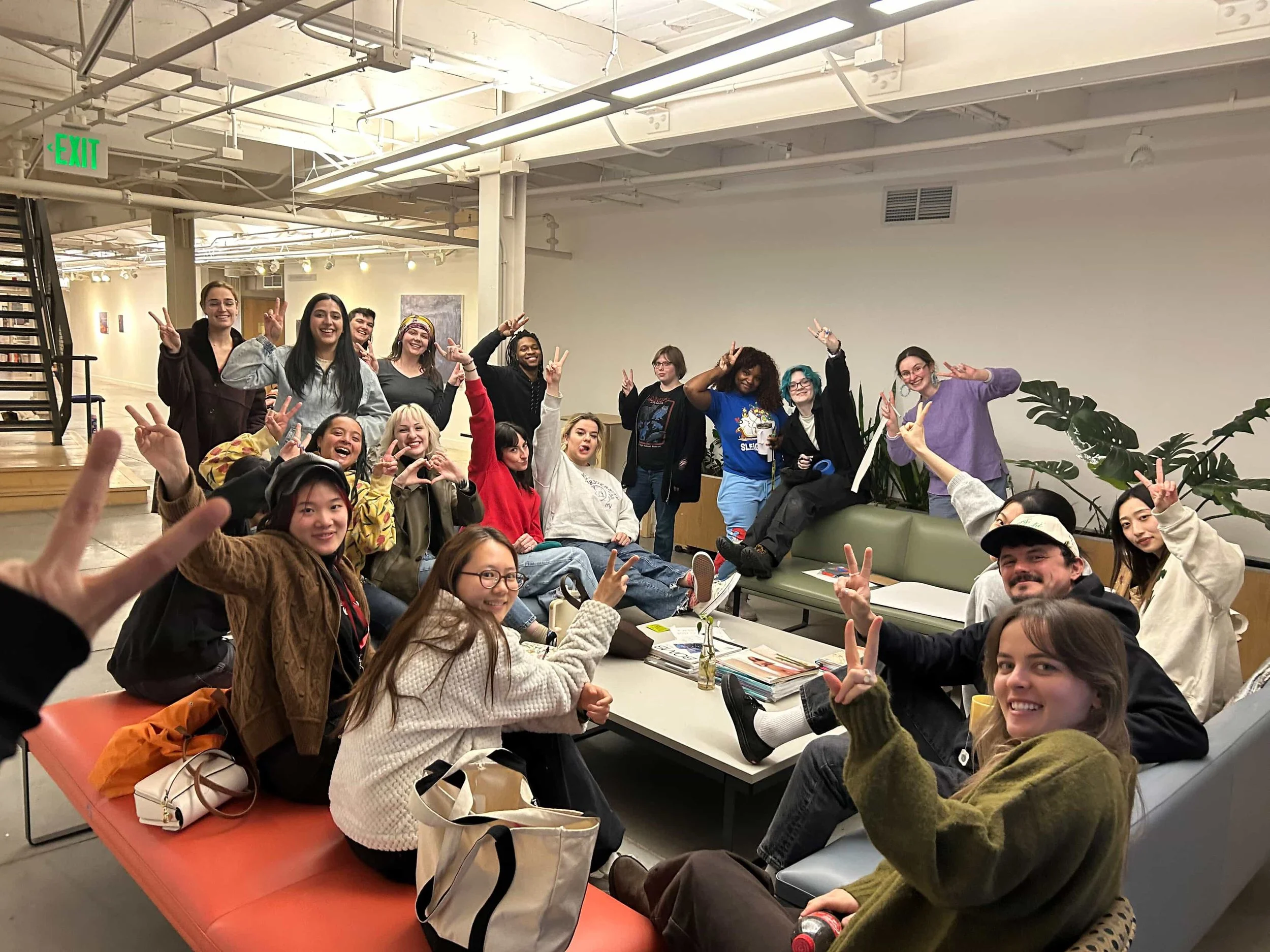
MICA, on the other hand, is an extremely open and generous environment, creating space for experimentation, dialogue, and challenges. I have had the honor of meeting and receiving feedback from influential artists such as Ewa Lajer-Burcharth, Deborah Dancy, Walter Prince, Odili Donald Odita, Jarrett Earnest, Darby English, Janice Antoni, and Oluremi Onabanjo. These encounters have shaped my thinking and art practice.
3. What does a typical week look like for you right now?
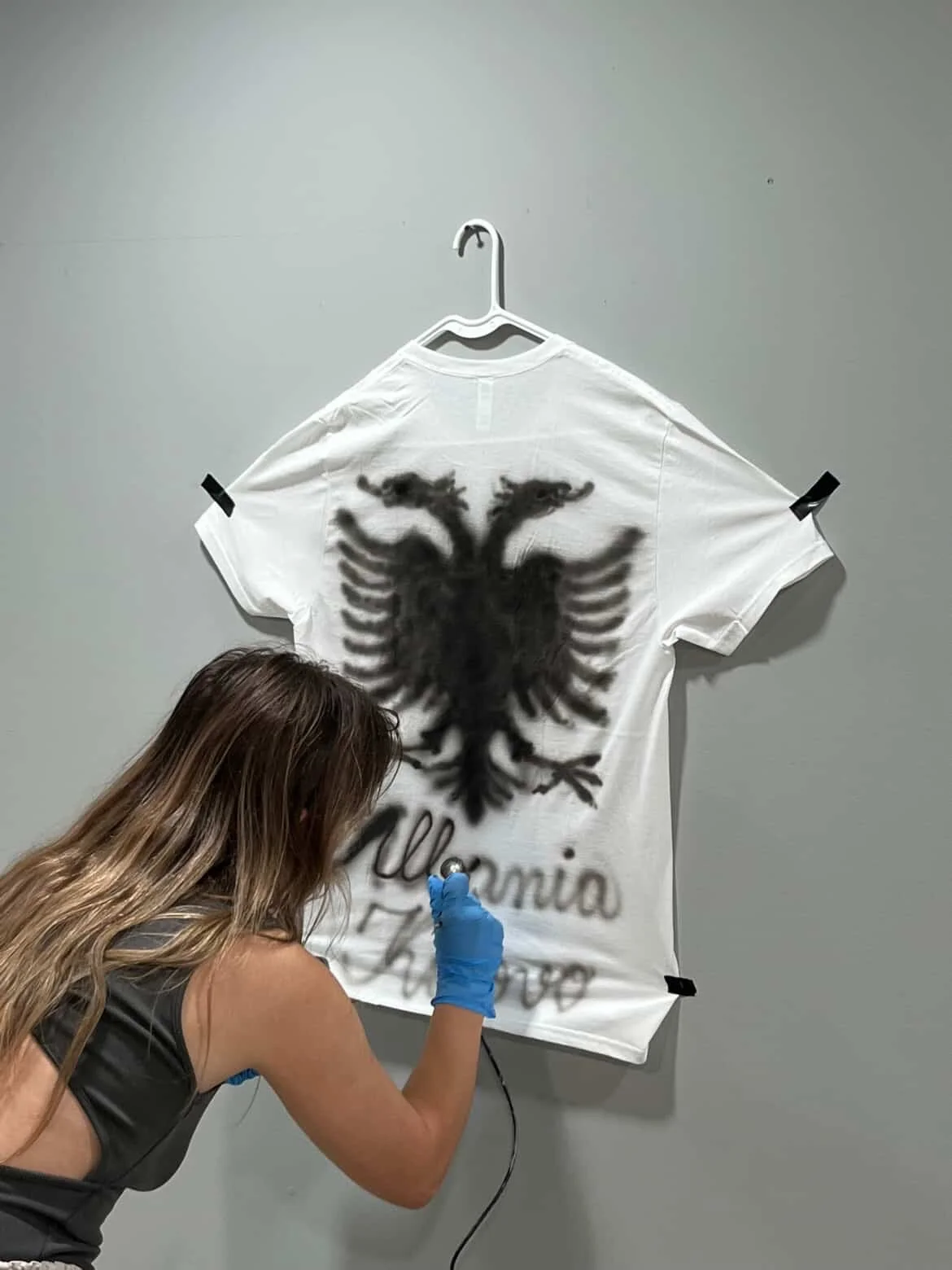
I spend most of my time in the studio painting while balancing it with classes, critiques, and other artistic activities both inside and outside MICA. I regularly go to exhibitions, artist talks, and shows at MICA, around Baltimore, and in other cities such as New York City, Chicago, and DC. Teaching internships at MICA and studio visits also fill my schedule, making some days feel busy but deeply focused on art and learning.
4. What is one skill you didn’t expect to gain but did?
I did not expect to gain such clarity and confidence in speaking to a larger audience about my art practice.
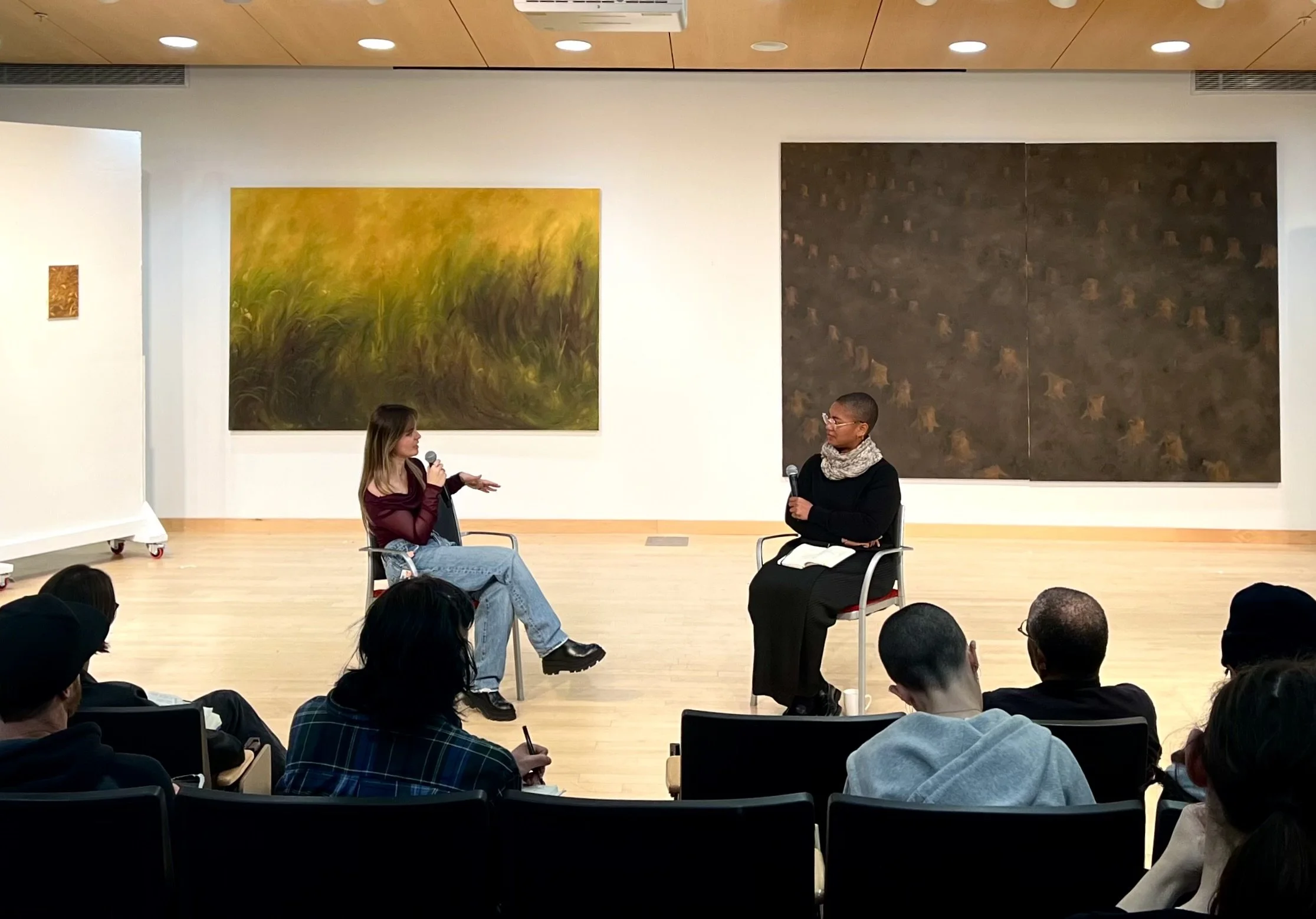
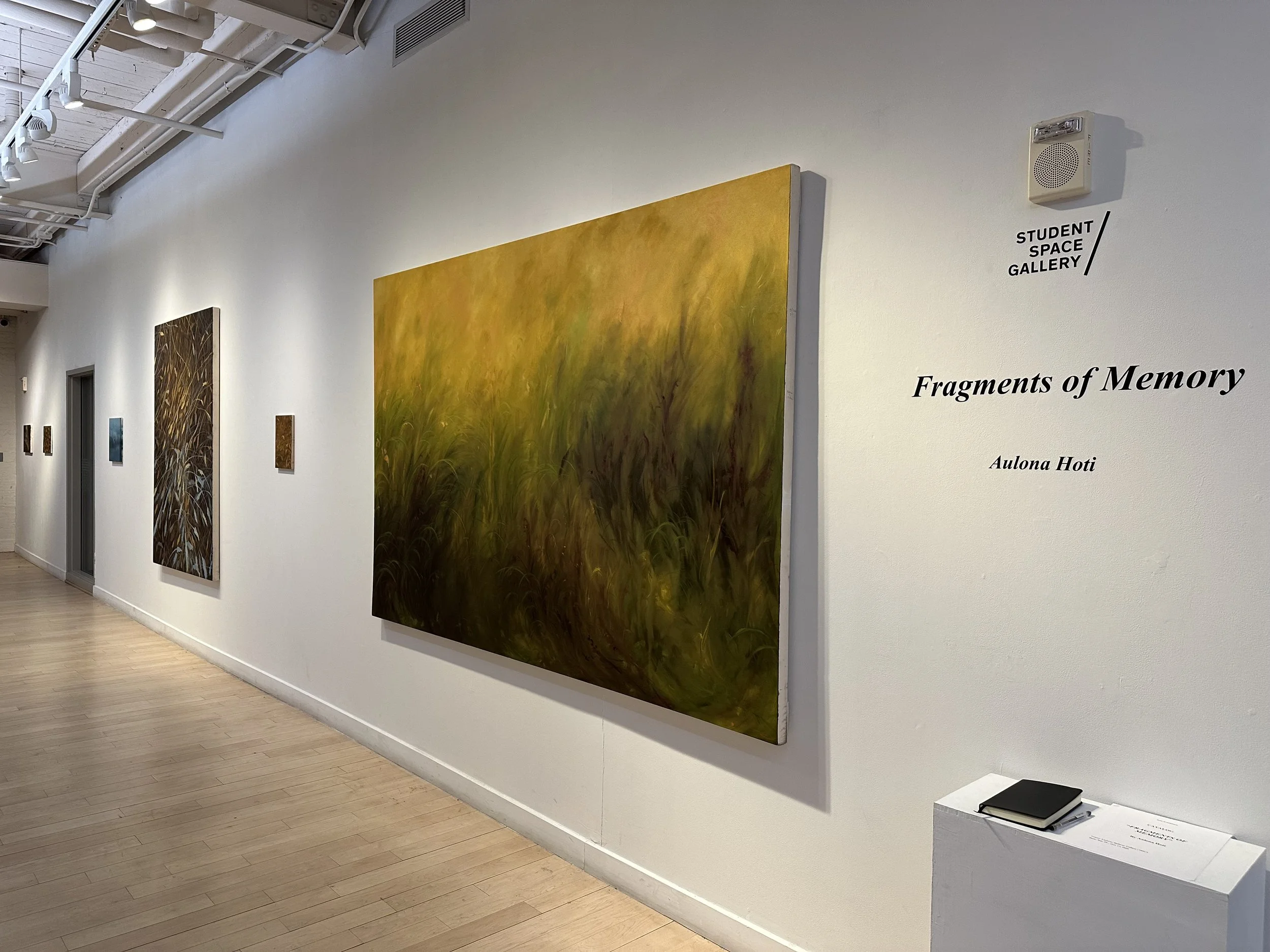
Through critiques, teaching, and presenting my practice publicly, I learned how to explain my ideas in a clearer, more honest, and artistic way. Having my first solo exhibition at MICA and participating in an artist talk and critique with Dr. Oluremi Onabanjo helped me grow not only as a painter but also as a communicator in front of the public.
5. What has been the biggest culture shock for you in the U.S.?
One of the biggest culture shocks was the direct and open style of communication, especially in academic and critique spaces. Feedback often felt straightforward, with intense discussions. As an international student, this was challenging at first, but over time it taught me how to receive these conversations with confidence and express my ideas openly.
7. How has your academic focus or research evolved during your second year of studies?
During my second year, my practice has become more focused and well-articulated. I moved from wide exploration into a deeper and more refined artistic theme. My work now carries stronger conceptual clarity, especially around themes related to homeland, memory, nature, and time. The combination of critiques, teaching experiences, and exhibiting my work has helped me understand painting more as a form of research and reflection. It now feels and looks more grounded, confident, and conceptually clear.