
Inside the Fulbright ETA Experience in Kosovo: Weston Lindner
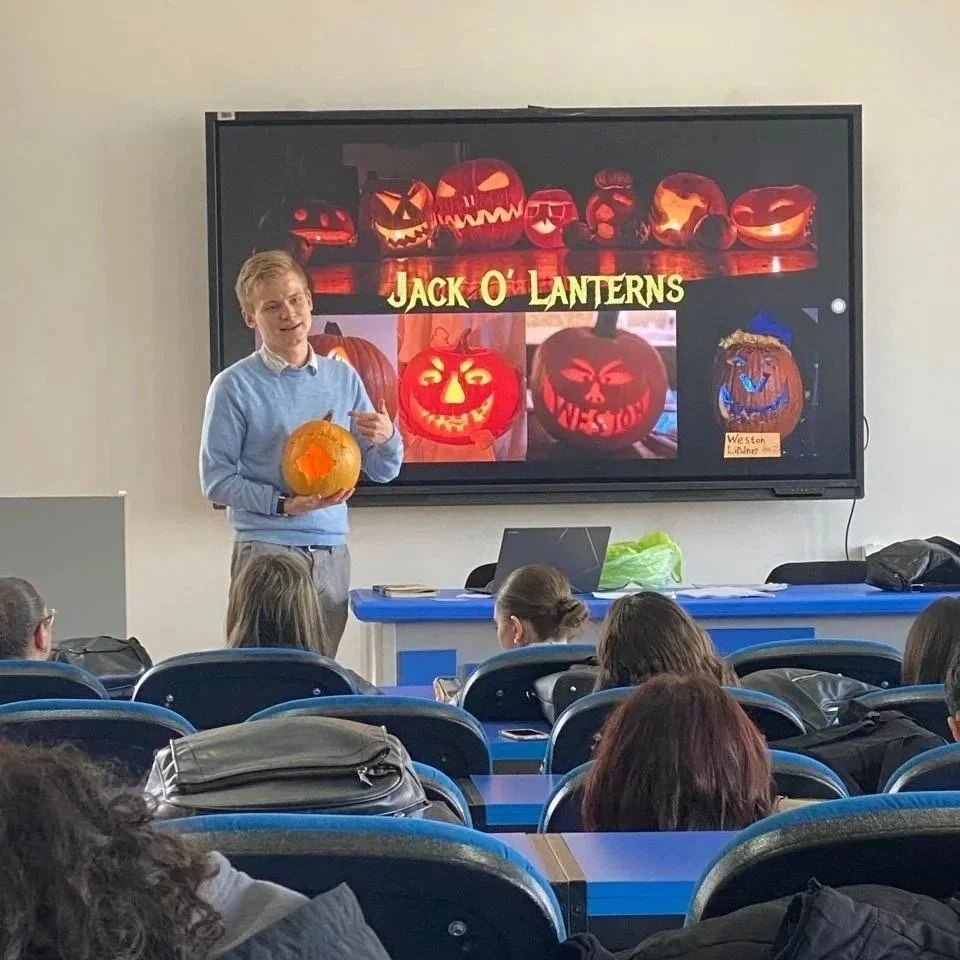
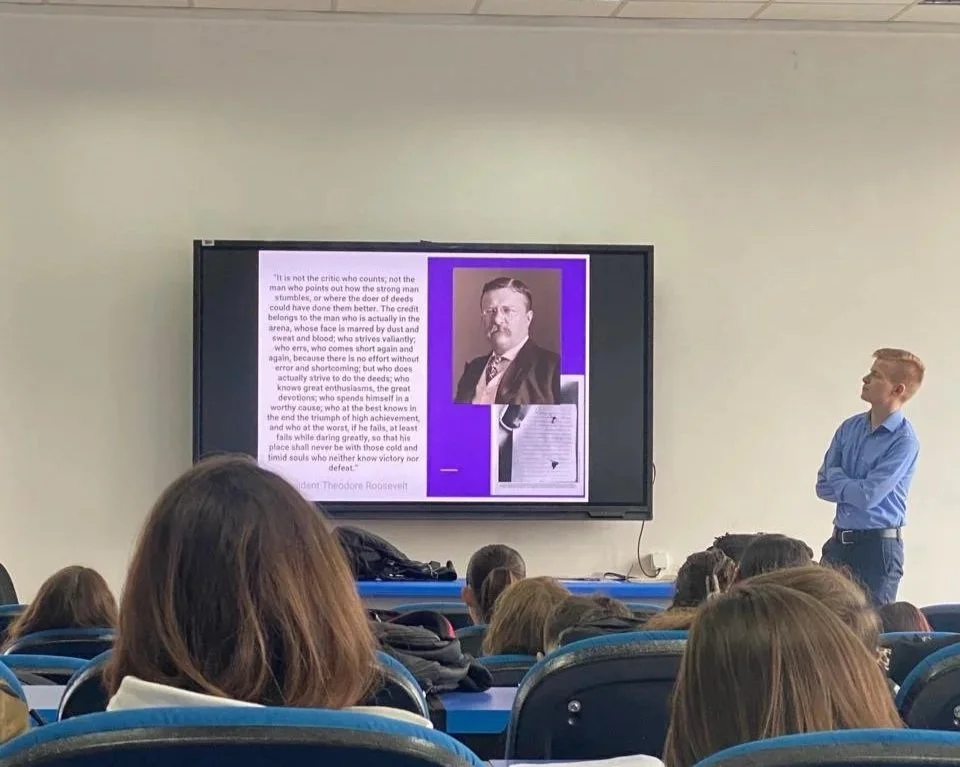
Weston Lindner is a Fulbright English Teaching Assistant (ETA) at the University of Prishtina “Hasan Prishtina,” in the Faculty of Philosophy, where he teaches first-year students of history, philosophy, political science, and psychology. He reflects on Kosovo’s warm and welcoming atmosphere, where the friendliness of the people and the vibrant student community create a supportive and engaging environment. Through teaching, cross-cultural exchange, and sharing personal traditions in the classroom, Weston has developed skills in student engagement, intercultural communication, and creative teaching methods, while learning to navigate language challenges and embrace the local culture with humor and openness.
The Fulbright English Teaching Assistant (ETA) Program places U.S. students in classrooms in Kosovo to support local English teaching staff while teaching the language and serving as cultural ambassadors for the United States.
This program is jointly funded by the U.S. Department of State and the Government of Kosovo.
Please introduce yourself by briefly sharing who you are, where you are currently teaching, and the name of your host institution: My name is Weston Lindner, and I teach at the University of Prishtina “Hasan Prishtina” in the Faculty of Philosophy. I teach first-year students of history, philosophy, political science, and psychology. I arrived in Kosova in September 2025.
Life in Kosovo
What was your very first impression when you arrived in Kosovo? My very first impression involved looking out the window of the airplane and saying, “Wow, look at those mountains! You’re not in Ohio anymore, Weston.”
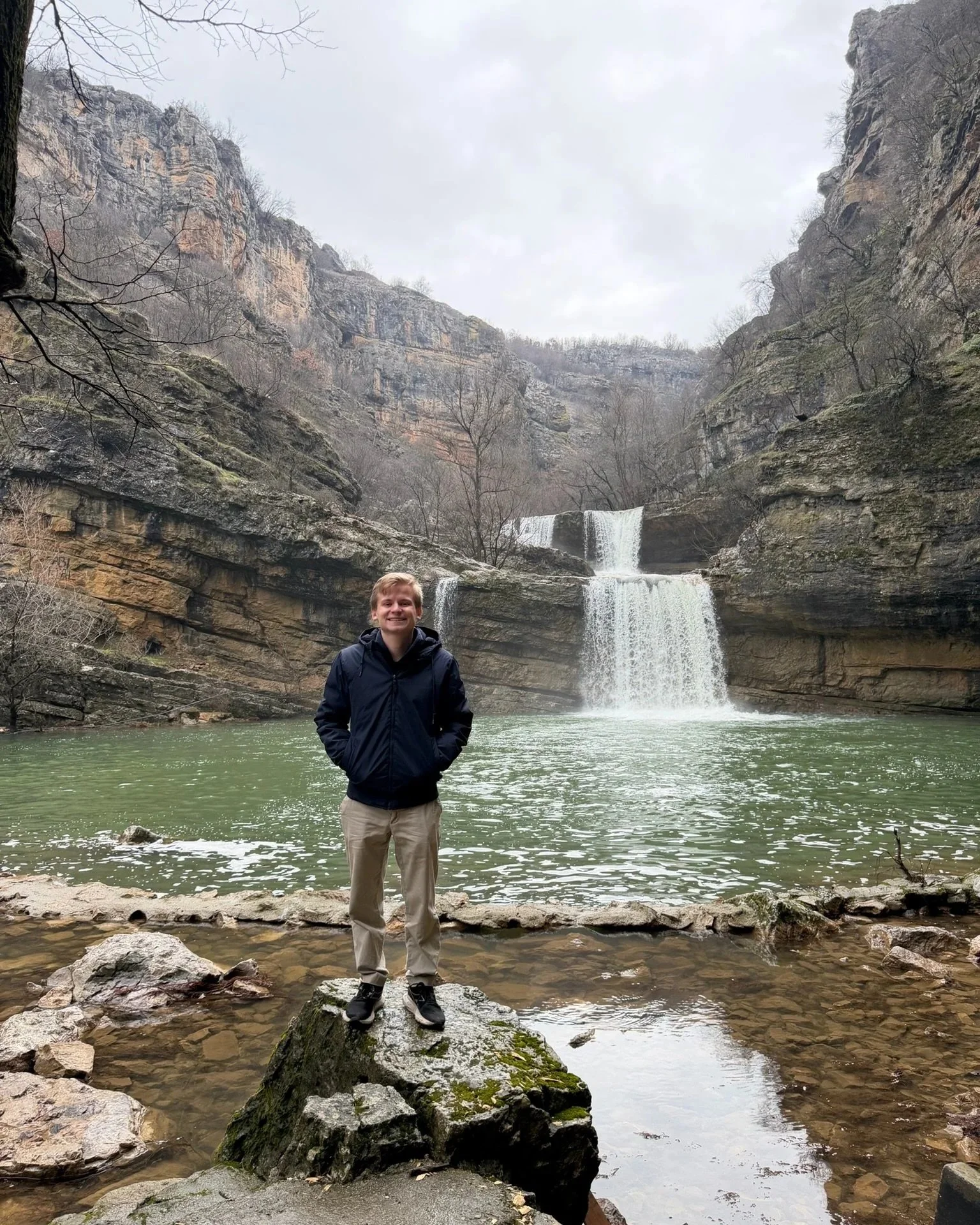
What’s one thing about life here that you’ve really grown to love? The warmth that radiates from almost every person I meet here is extraordinary. Americans have a reputation for being “friendly,” but I think the people of Kosovo have us beat in this respect!
Teaching Moments
How would you describe your students in one word and why? Funny. My students make me smile and laugh so much in the best way possible. They approach learning with such a great attitude and have been extremely warm and welcoming to me. In return, I offer them plenty of laughter as I struggle my way through certain Albanian words or names; I still can’t really pronounce rr or y!
What’s been your favorite classroom moment so far?
The final weeks of the first semester were special in my psychology classes. As a culinary cultural presentation, I made chocolate chip cookies for the students using my family recipe, and it was really special to share it with them (to my other students, if you’re reading this, don’t despair; you will get to taste them this semester!).
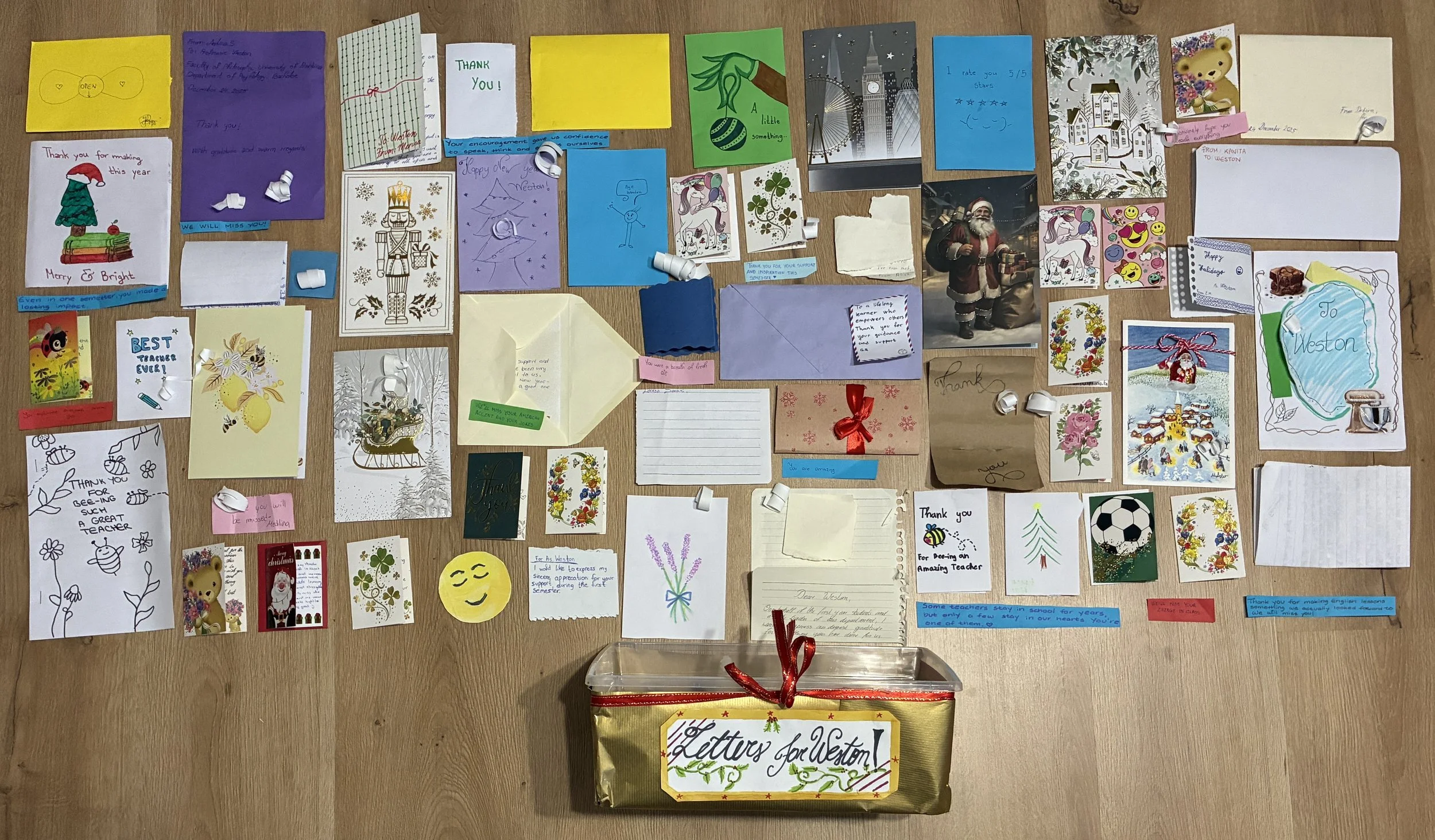
The next week, on Christmas Eve (at our final class together), the students gave me a box full of handwritten thank-you notes and festive holiday cards. It was really moving, especially since this was the first Christmas in my life that I was not at home with my family. It was also helpful to understand which elements of my teaching style resonated most with students so I can continue to improve as an educator in the new semester and there were some surprises in this regard.
Cultural Exchange
What’s one cultural difference that surprised you - in a good way? Having grown up in a “shoes-on” household in the United States, it was surprising to me when my landlord told me that under no circumstances am I permitted to wear shoes inside the apartment I rent! It was an adjustment at first, but now I can’t imagine tracking my dirty shoes around my home indoors.
Is there a word, phrase, or tradition from Kosova you’ve picked up and use often? I love a good “Hajde!” and will likely continue saying it when I return to the United States, whether people understand me or not (then I can explain where it came from!). Also, because one of my two majors in university was mathematics, I have to say that katër is easily my favorite Albanian number, I just love the sound of the word!