
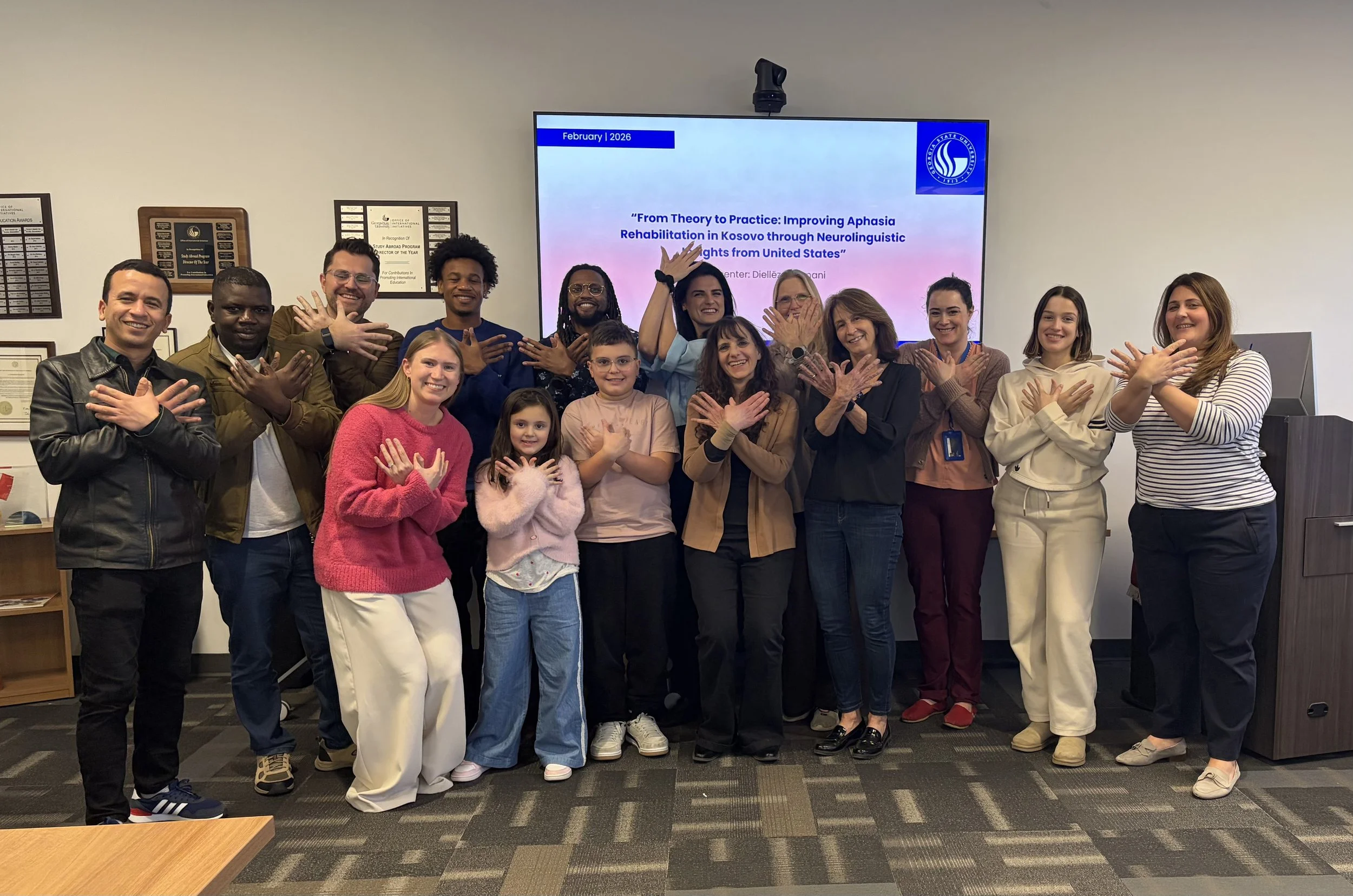
Seeking admission to a prestigious program like the Fulbright Faculty Development requires a lot of preparation. To help you better understand the program and what it offers, we bring an insider’s perspective on the Fulbright journey. Through this spotlight, we highlight the academic path, professional growth, and personal experiences of scholars who have been part of this transformative opportunity.
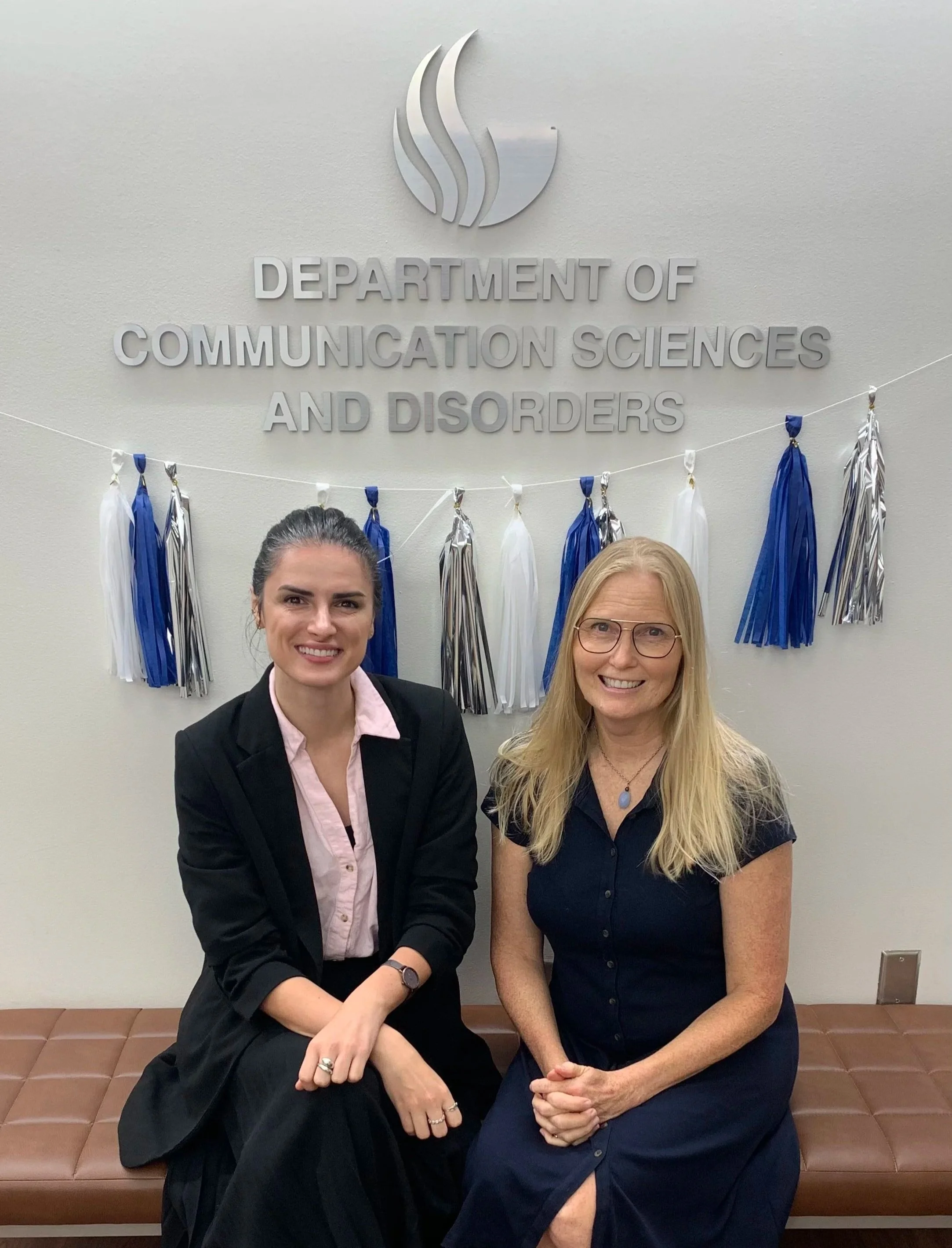
We are continuing our series of questions with Fulbright Faculty Development Program 2025–2026 grantee, Diellza Namani. With an impressive academic background in applied linguistics and neurolinguistics, and her current role as an Assistant Professor of Medical English, Diellza shares her motivations for applying to the program, her experience as a Fulbrighter in the U.S., and how she plans to transfer the knowledge and skills gained to support students, improve curricula, and contribute to patient care initiatives upon returning home.
1. What is your educational and professional background?
I hold a Master’s degree in Applied Linguistics from Greece and a Doctorate in Neurolinguistics from Italy. I currently serve as a Professor Assistant of Medical English at Rezonancan College, where I focus on enhancing students’ knowledge in medical terminology.
2. Why did you choose to apply for the Fulbright Program?
I applied to the Fulbright Program to challenge myself academically, professionally, and personally. I wanted the opportunity to engage with a diverse academic community, expand my research horizons, and gain new perspectives on teaching, learning and creating department syllabuses.
3. Tell us about your experience as a Fulbrighter in the U.S.?
My experience as a Fulbrighter has been both rewarding and inspiring. Living and working in the U.S. allowed me to engage with innovative teaching methods, collaborate with peers from various disciplines, and immerse myself in a new cultural environment. These experiences have enriched my perspective on education and research. And, I have met amazing people who have become like family to me.
4. What is the most valuable component you have gained from the program?
The most valuable aspect of the Fulbright Program for me has been the opportunity to experience a different academic culture firsthand. Beyond the professional growth, it has enhanced my ability to approach teaching and research with a broader, more inclusive perspective, which I consider invaluable for my future work.
5. How do you plan to implement the knowledge gained from the program at your home institution?
I have already arranged different meetings to see what options we have available to help out the patients with aphasia, especially at QKUK which is in desperate need for help in this aspect. And, I certainly will use my knowledge in creating a different and more diverse syllabus for my subject at University and for other subjects as well.
6. How was the application process for you, and what tips do you have for the prospective candidates?
The application process was manageable with careful planning. My main tip is to avoid leaving it until the last day. Starting early allows ample time to refine your essays, gather recommendations, and reflect thoughtfully on your goals. What may seem like a common piece of advice is actually crucial for submitting a strong, polished application.
7. What is the biggest culture shock you experienced in the U.S?
Living in Atlanta, I was struck by how common it was for people to give compliments. Coming from a different cultural context, I was not used to such frequent positive social interactions, and it was both surprising and delightful.
8. What is your favorite place you have visited while participating in the Fulbright program?
I had the chance to visit eight U.S. states, and one of my favorites was Arizona. While there were more “picturesque” places, Arizona stood out for its unique lifestyle and landscape.
9. What is your favorite American dish/food?
My favorite American food was my roommate’s signature bagel with bacon, eggs, and hot sauce. It was our comfort food especially in cases of stress or after finishing something important.