
Fulbright Visiting Scholar Program Spotlight: Marigona Bekteshi Ferati
Seeking admission to a prestigious program like Fulbright Visiting Scholar requires a lot of preparation. To help you better understand the program and what it offers, we bring an insider’s perspective on the Fulbright Journey.
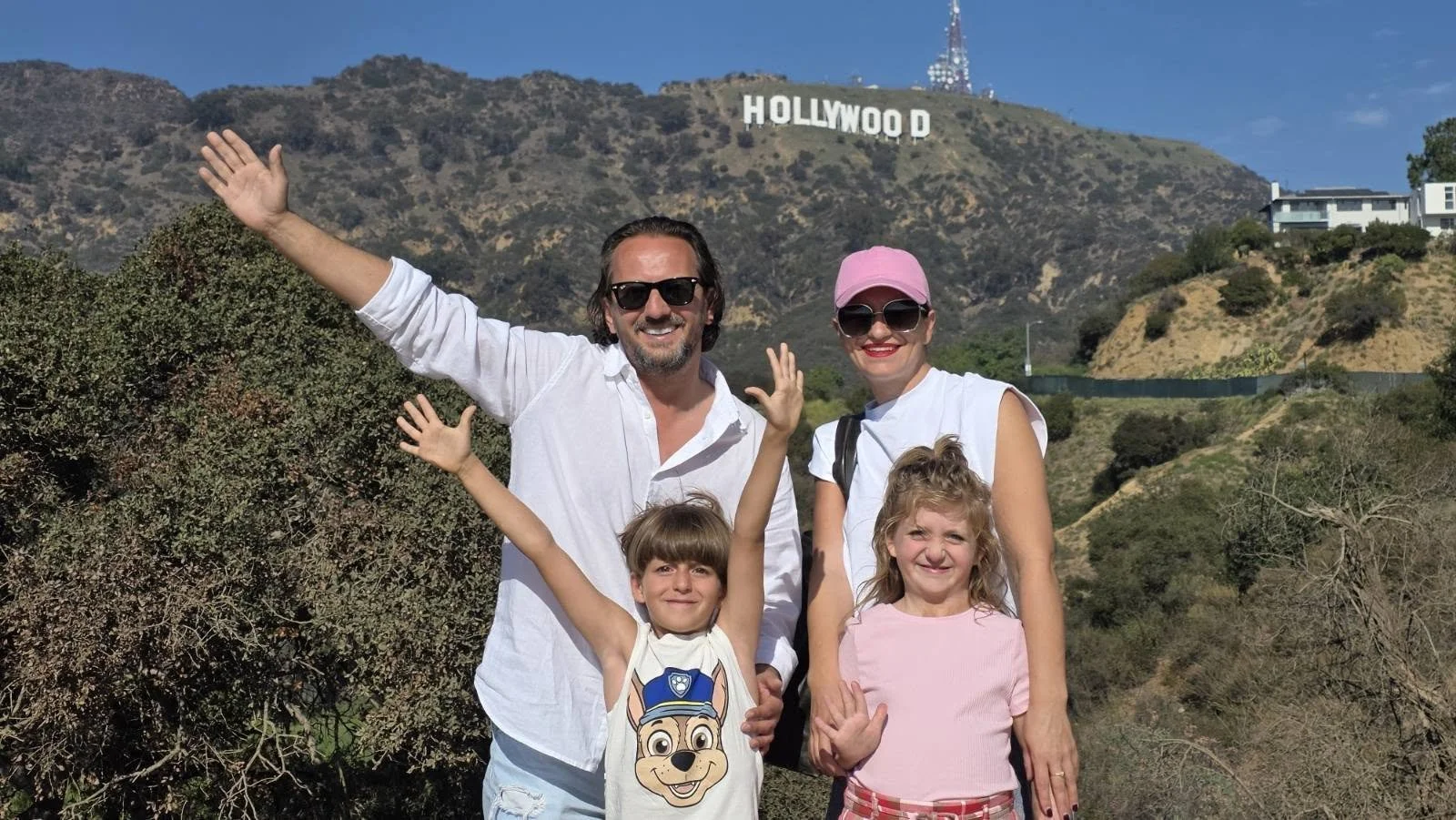
We are continuing our Spotlight series with our Fulbright Visiting Scholar grantee, Marigona Bekteshi Ferati, a 2025/2026 Fulbright Visiting Scholar hosted at Stella Adler Academy of Acting and Theatre in Hollywood.
For information on upcoming application cycles, please visit our website and the U.S. Embassy in Kosovo website (usembassy.gov). This is a joint program of the U.S. Department of State and the Government of Kosovo.
1. What is your educational and professional background? I am an Assistant Professor at UBT College and a lecturer at the University of Prishtina, Faculty of Arts, where I teach theatre studies, performance theory, and acting methodologies. I completed my PhD at the National Academy for Theatre and Film Arts, one of the leading institutions for theatre and film education in Southeast Europe.
Following my doctoral studies, I pursued postdoctoral research at the University of Porto at the Faculty of Fine Arts, where I further developed my research in theatre and contemporary performance practices. During my Fulbright stay in the United States, I conducted postdoctoral research at the Stella Adler Academy of Acting and Theatre in Hollywood, focusing on actor training methodologies and theatre pedagogy.
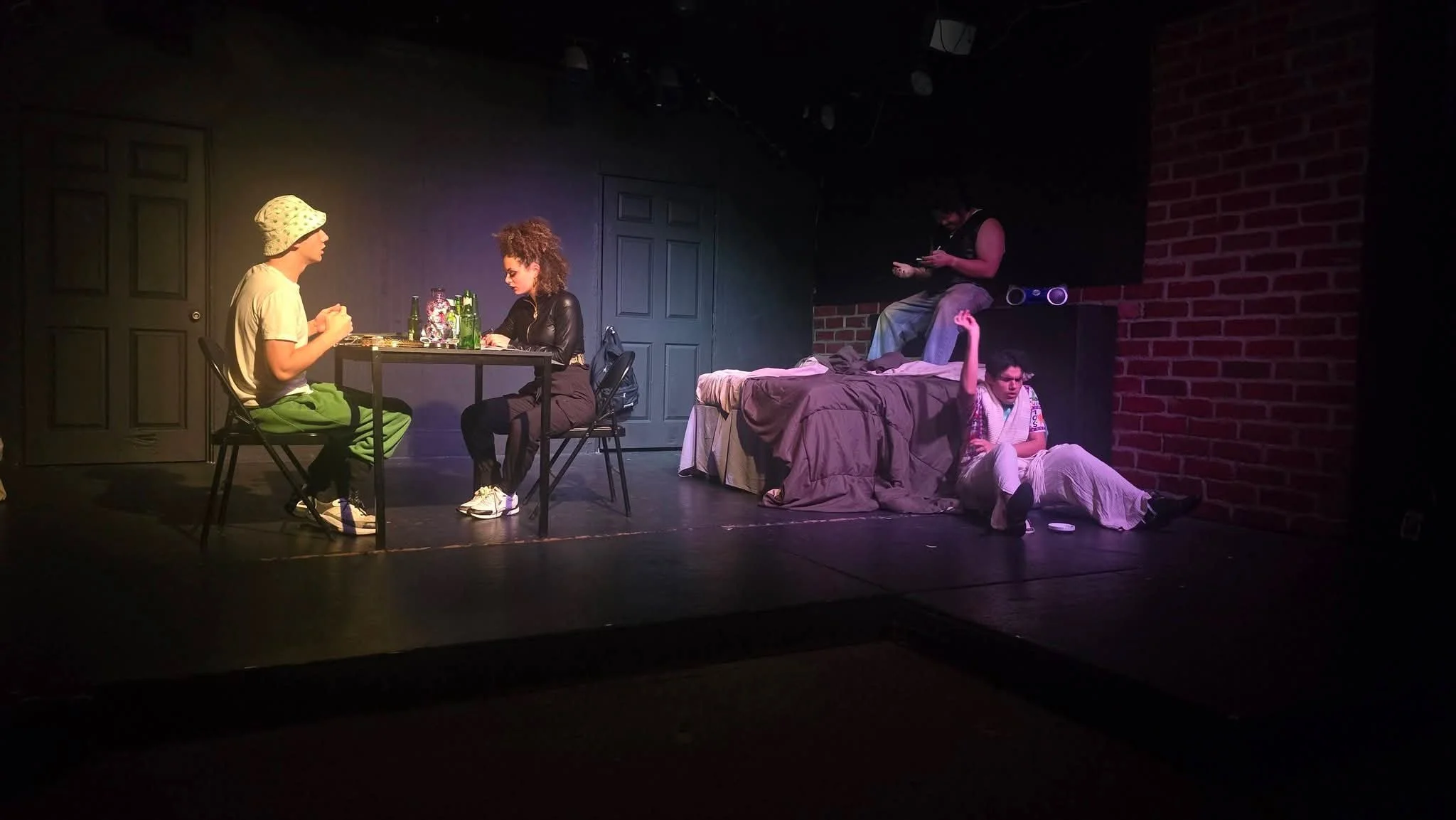
In September 2026, I will begin another postdoctoral research appointment at the University of Helsinki, where I will also serve as a Visiting Professor. My academic work combines research, teaching, and artistic practice in the fields of theatre, actor training, and contemporary performance.
2. Why did you choose to apply for the Fulbright Program? I chose to apply for the Fulbright Program because for more than five years I have been teaching the acting methodology of Stella Adler at the University of Prishtina. However, our resources were very limited. We had only one photocopied book in English and very little additional information about the method. Teaching such a practical acting technique, one that relies heavily on imagination, physical exercises, and studio practice was extremely difficult through literature alone.
The opportunity to study and conduct research at the Stella Adler Academy of Acting and Theatre completely transformed my understanding of the methodology. Observing the training process every day, seeing the exercises in practice, and working closely with students and faculty provided insights that cannot be learned from books alone.
This experience allowed me to deepen my knowledge and bring a much more authentic and practice-based understanding of the Stella Adler technique back to my students in Kosovo.
3. Tell us about your experience as a Fulbrighter in the U.S. My experience as a Fulbrighter in the United States has been one of the most transformative academic and personal experiences of my career. At the Stella Adler Academy in Hollywood, I had the opportunity to observe classes, collaborate with faculty members, and experience one of the most influential actor‑training traditions in modern theatre.
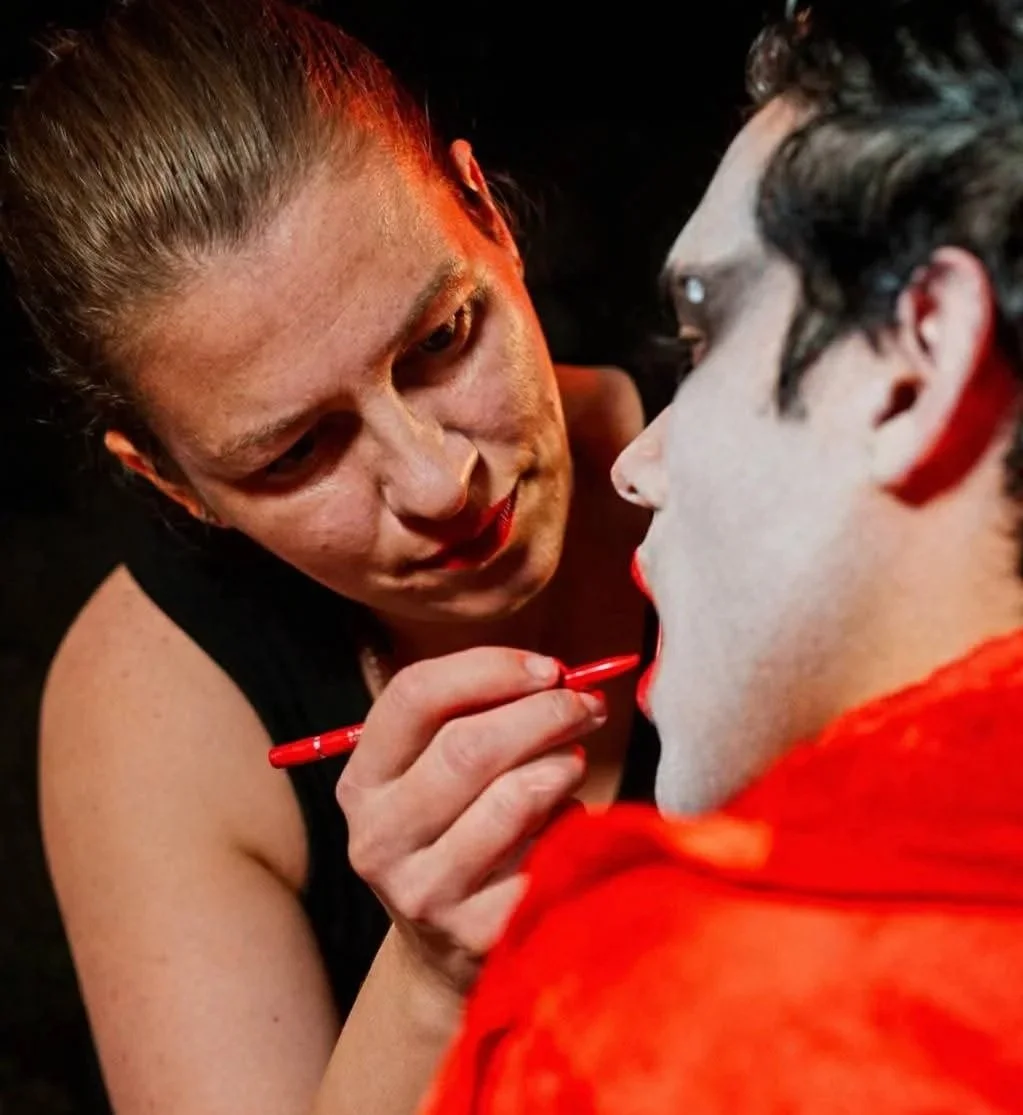
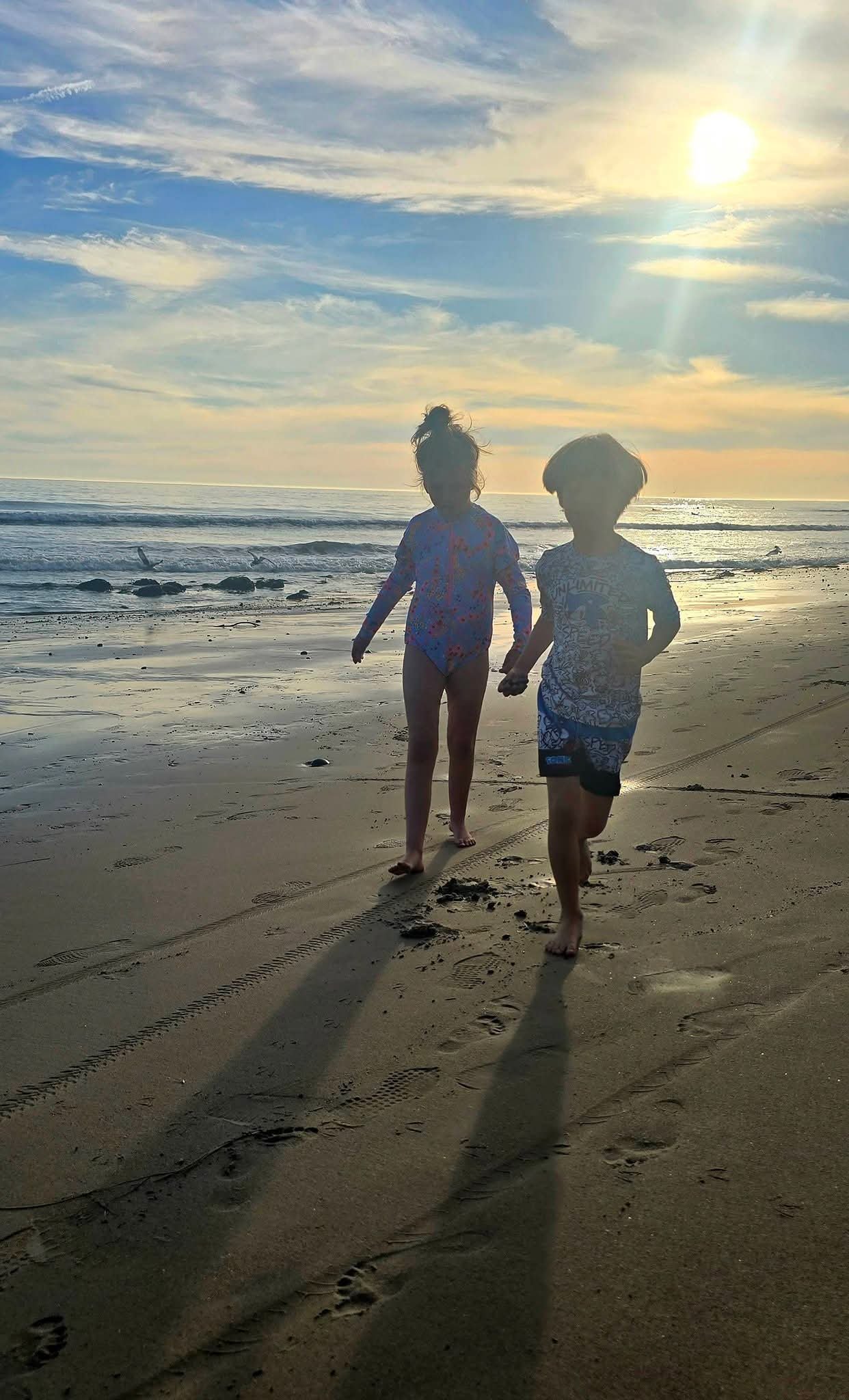
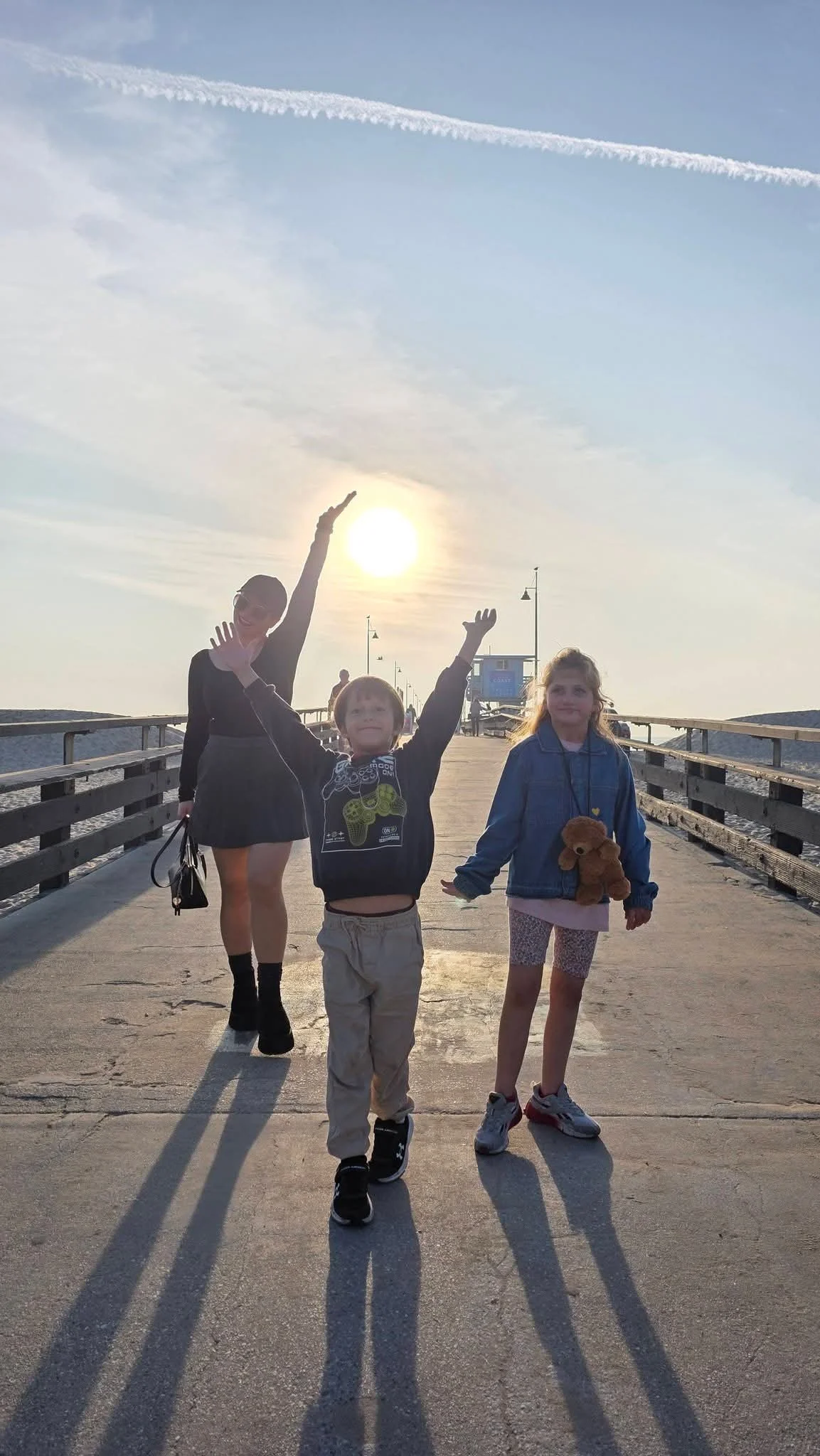
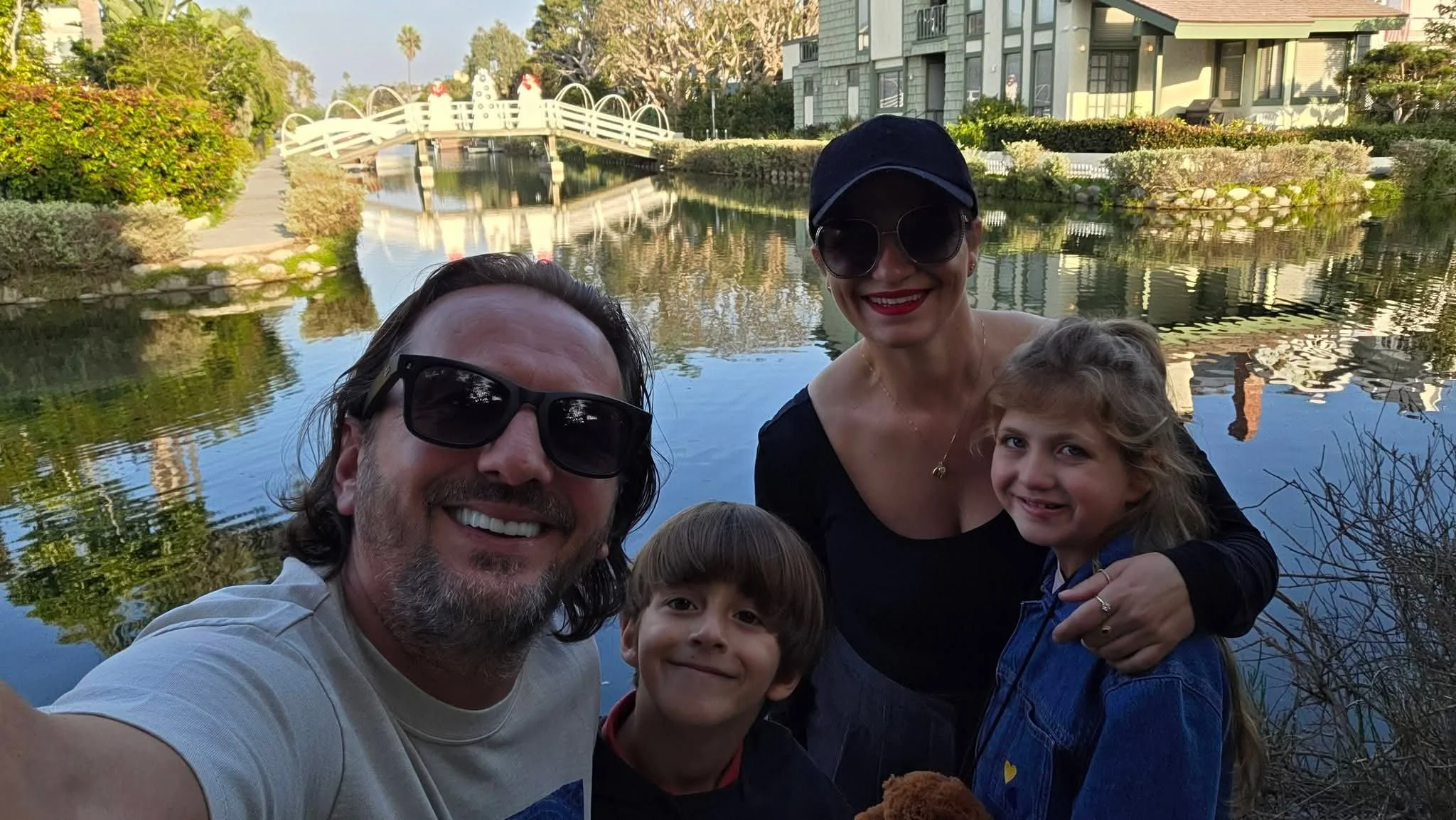
Beyond academia, this experience was also very meaningful for my family. My children attended school in the United States and adapted very well to their new environment. They enjoyed their schools and had the opportunity to experience a different educational culture. During our stay, we also explored many beautiful places in California. We spent time by the Pacific Ocean, visited Malibu and Santa Monica Beach, and experienced the natural beauty of the region.
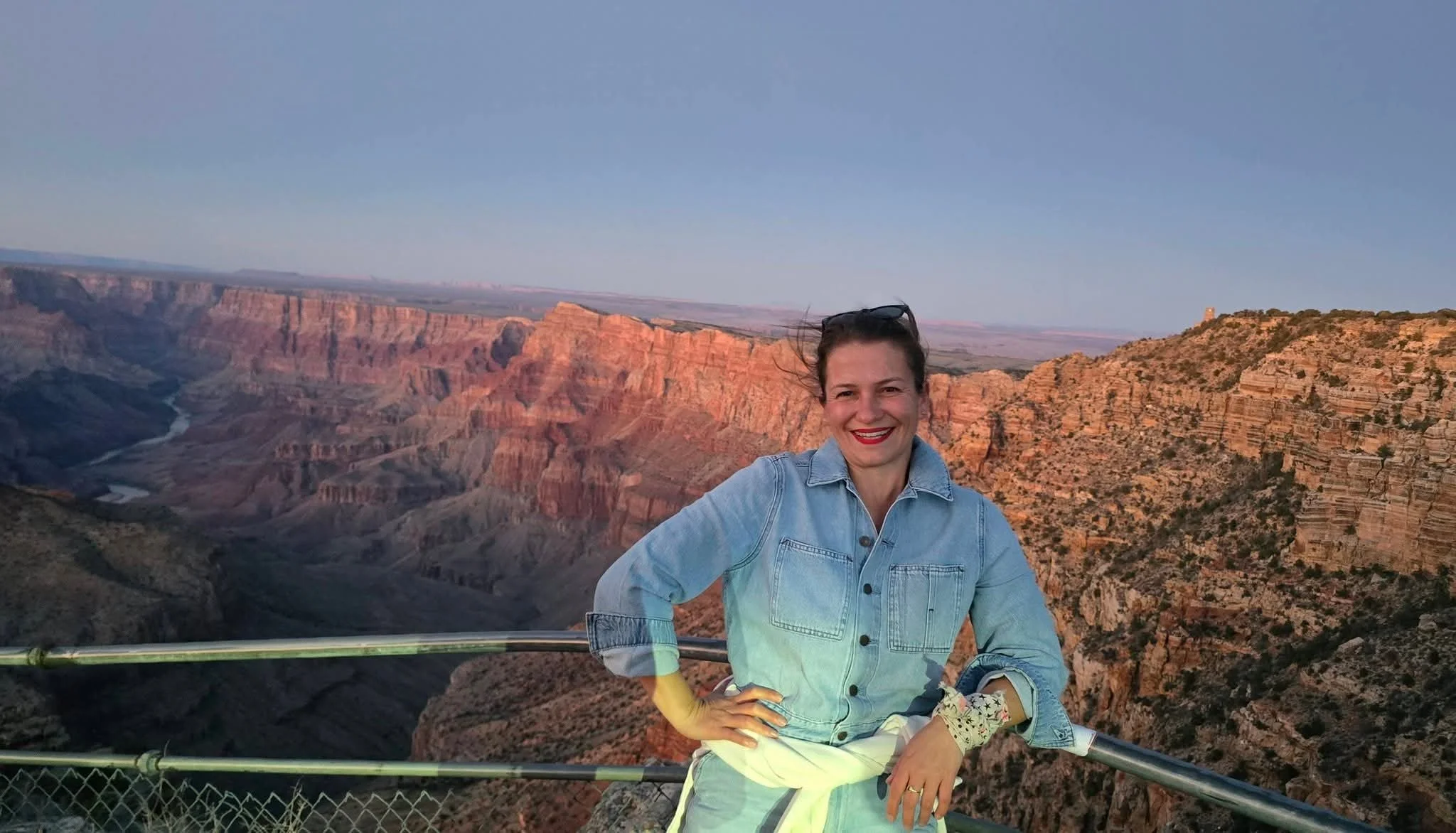
One of the most unforgettable experiences was visiting the breathtaking Grand Canyon. Another unique cultural experience was attending a basketball game as VIP guests of the Los Angeles Lakers, which allowed us to experience American sports culture firsthand.
Overall, the Fulbright experience was not only academically enriching but also culturally and personally unforgettable.
4. What is the most valuable component you have gained from the program?The most valuable component of the Fulbright experience has been the opportunity for intellectual exchange and professional collaboration. Being immersed in a different academic environment expanded my perspective on theatre pedagogy and actor training. It allowed me to observe new teaching approaches and develop new ideas for my own research and teaching.
Equally important has been the international network of scholars and artists that Fulbright creates. It is a global community dedicated to knowledge exchange, collaboration, and cultural understanding.
5. How do you plan to implement the knowledge gained from the program at your home institution? I plan to integrate the practical methodologies and teaching approaches I observed in the United States into the theatre curriculum at the University of Prishtina. Specifically, I aim to develop new teaching modules focused on actor training, imagination, and practical studio work inspired by the Stella Adler technique.
I also hope to organize workshops, lectures, and collaborative artistic projects that will strengthen connections between theatre education in Kosovo and international institutions.
6. How was the application process for you, and what tips do you have for prospective candidates? The application process was challenging but very rewarding. It requires careful preparation, a strong research proposal, and a clear vision of how the Fulbright experience will contribute to both your academic development and your home institution. My advice to prospective candidates is to clearly articulate their research goals and demonstrate how their work can contribute to international academic dialogue. Persistence, preparation, and authenticity are key elements for a successful application.
7. What is the biggest culture shock you experienced in the U.S.? One of the most interesting cultural differences I experienced was the openness and informality in academic communication. In many American academic environments, there is a strong emphasis on dialogue, collaboration, and interaction between professors and students. This creates a very dynamic learning atmosphere that encourages creativity and critical thinking. For me, this was an inspiring aspect of the academic culture in the United States.
8. What is your favorite place you have visited while participating in the Fulbright program?

One of the most extraordinary places I visited during my Fulbright stay was the majestic Grand Canyon. The scale and beauty of this natural wonder were truly breathtaking and left a very strong impression on me. I also loved spending time along the Pacific Ocean, especially in Malibu and at Santa Monica Beach, where we enjoyed the sunsets and the unique atmosphere of the California coast.
9. What is your favorite American dish/food? One of the things I enjoyed most about the United States is the diversity of its cuisine. My favorite American food is the classic cheeseburger, but I also appreciated the multicultural food scene, which reflects the diversity of American society.