
Fulbright U.S. Student Researcher Spotlight: Joshua Bernard-Pearl
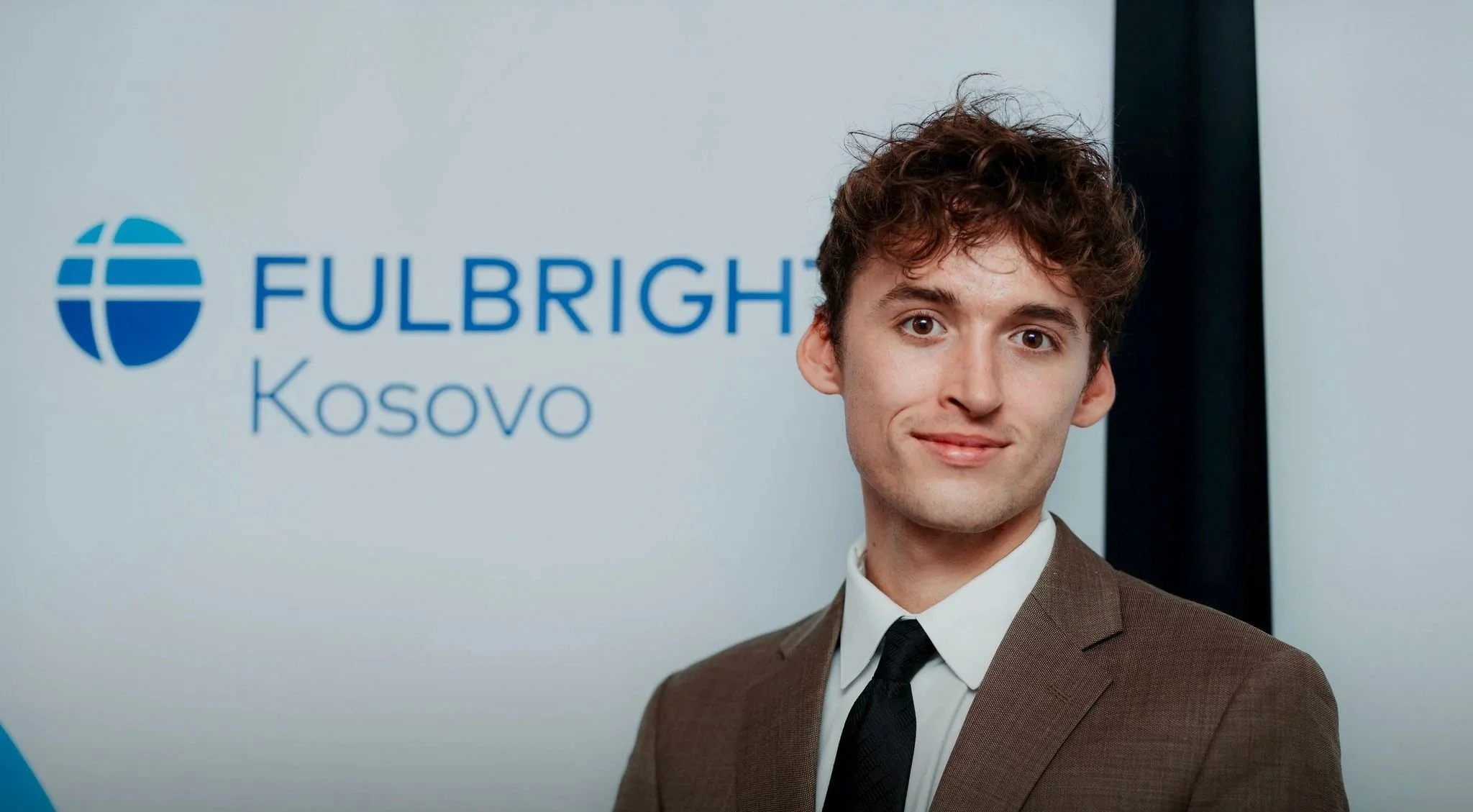
Applying and preparing for an opportunity like the Fulbright Scholarship can be a demanding process. To help ease the journey and offer an insider’s perspective on the Fulbright experience in Kosovo, we connected with members of our U.S. Fulbright community.
We asked them to reflect on their time in Kosovo and share insights on everything from preparing their applications to what it is really like living and engaging in the country as Fulbright researchers. As part of this ongoing series, we continue with 2025-2026 grantee Joshua Bernard-Pearl.
The Fulbright U.S. Student Program offers Study/Research Awards to recent college graduates, graduate students, and early-career professionals. These awards allow grantees to design and carry out their own projects, often in collaboration with advisers at foreign universities or other higher education institutions, including those in Kosovo.
More info here: https://us.fulbrightonline.org/applicants/types-of-awards/study-research
1. What is your educational and professional background? I recently graduated from Georgetown University’s Walsh School of Foreign Service, where I studied International Politics with a concentration in security. I also studied abroad in Scotland and did some research in Romania. Professionally, I’ve worked with the U.S. Department of State, the Brookings Institution, Caspian Policy Center, and Georgetown University’s Department of Government.
2. Why did you choose to apply for the Fulbright Program? I applied to Fulbright because I had a clear research interest I wanted to pursue (the threat of foreign malign influence in online media), and Fulbright provided the opportunity to design a project around this research interest to gain experience in the field. I also saw it as a chance to live abroad and see if an international career is the right fit for me.
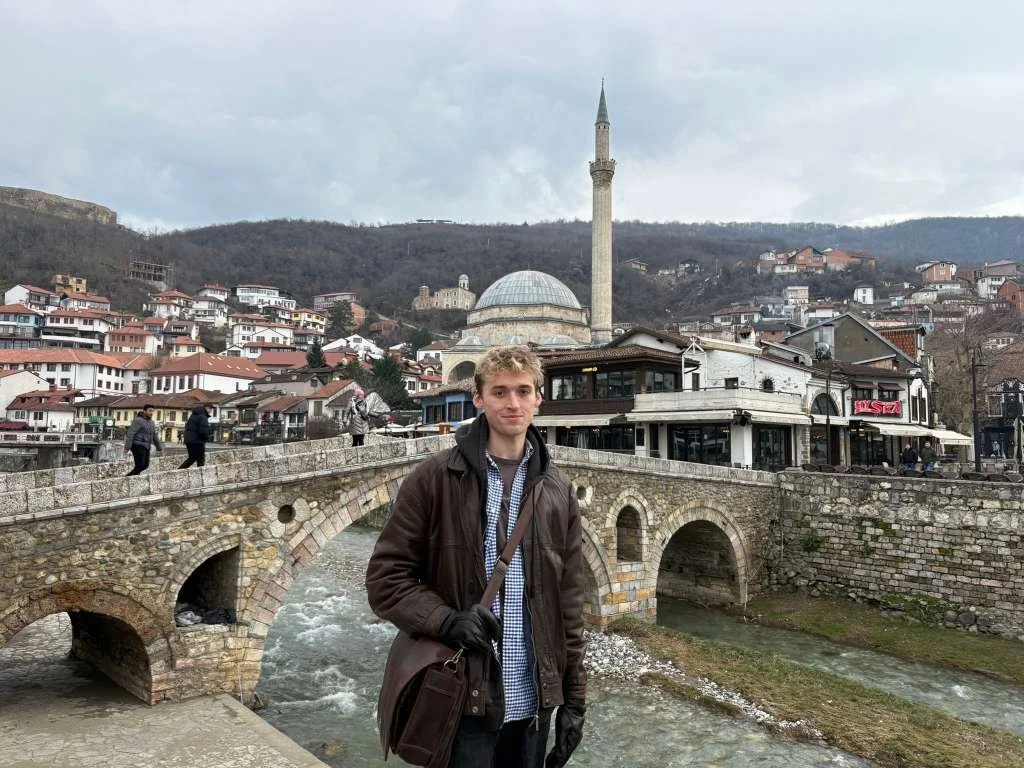
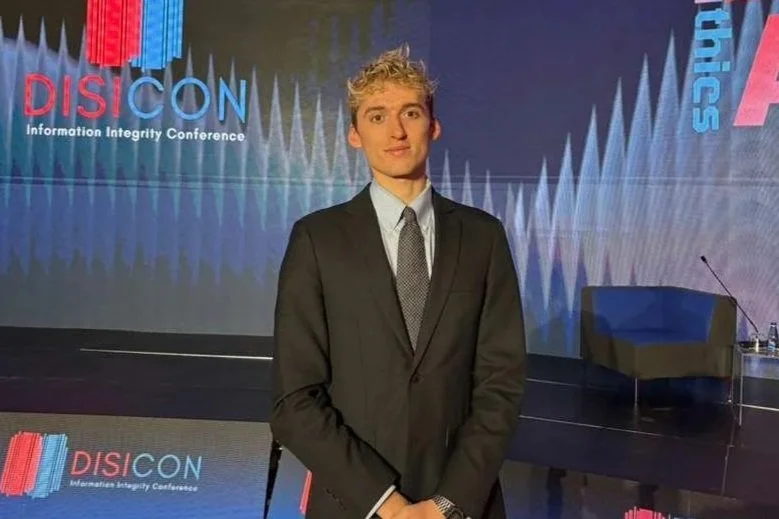
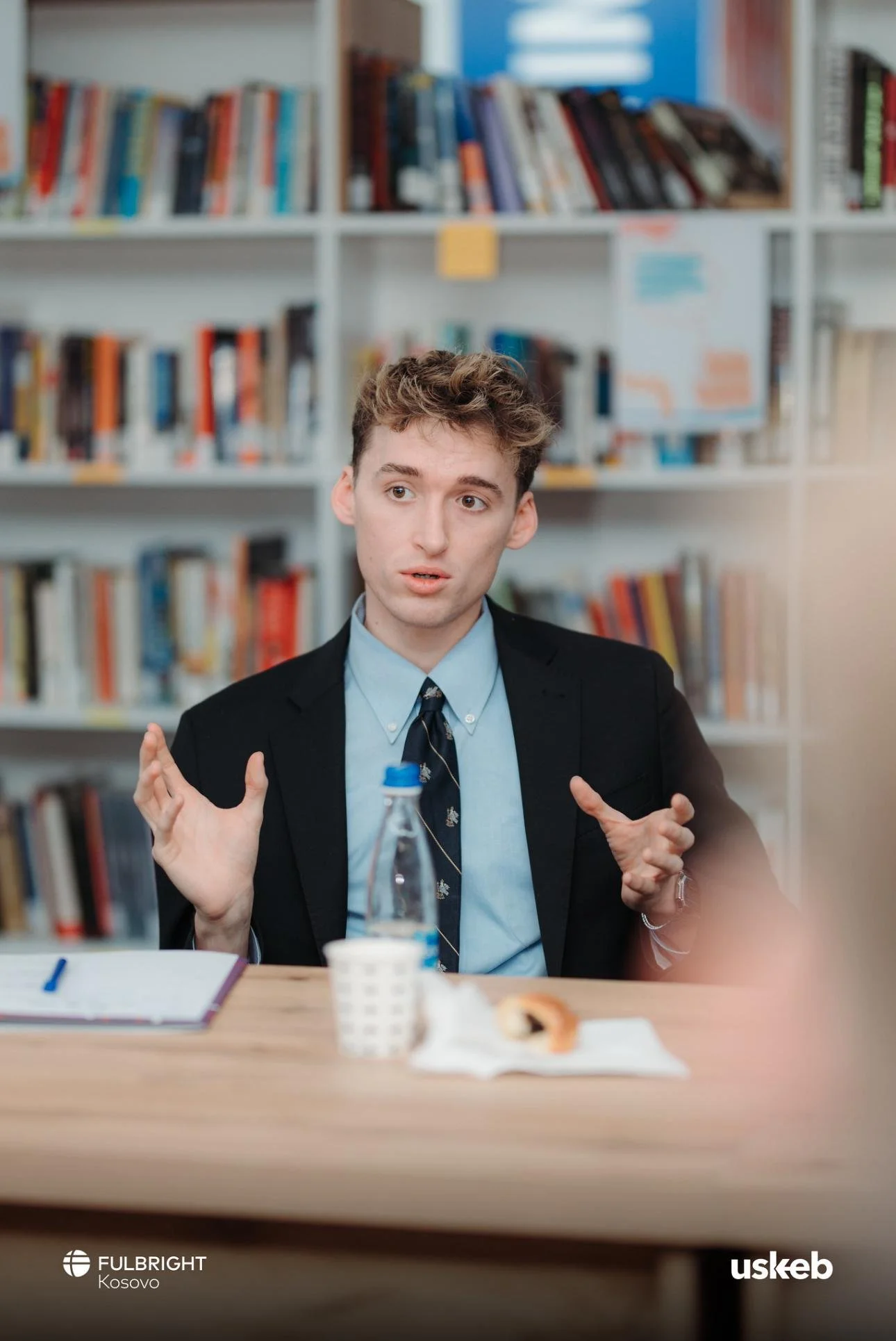
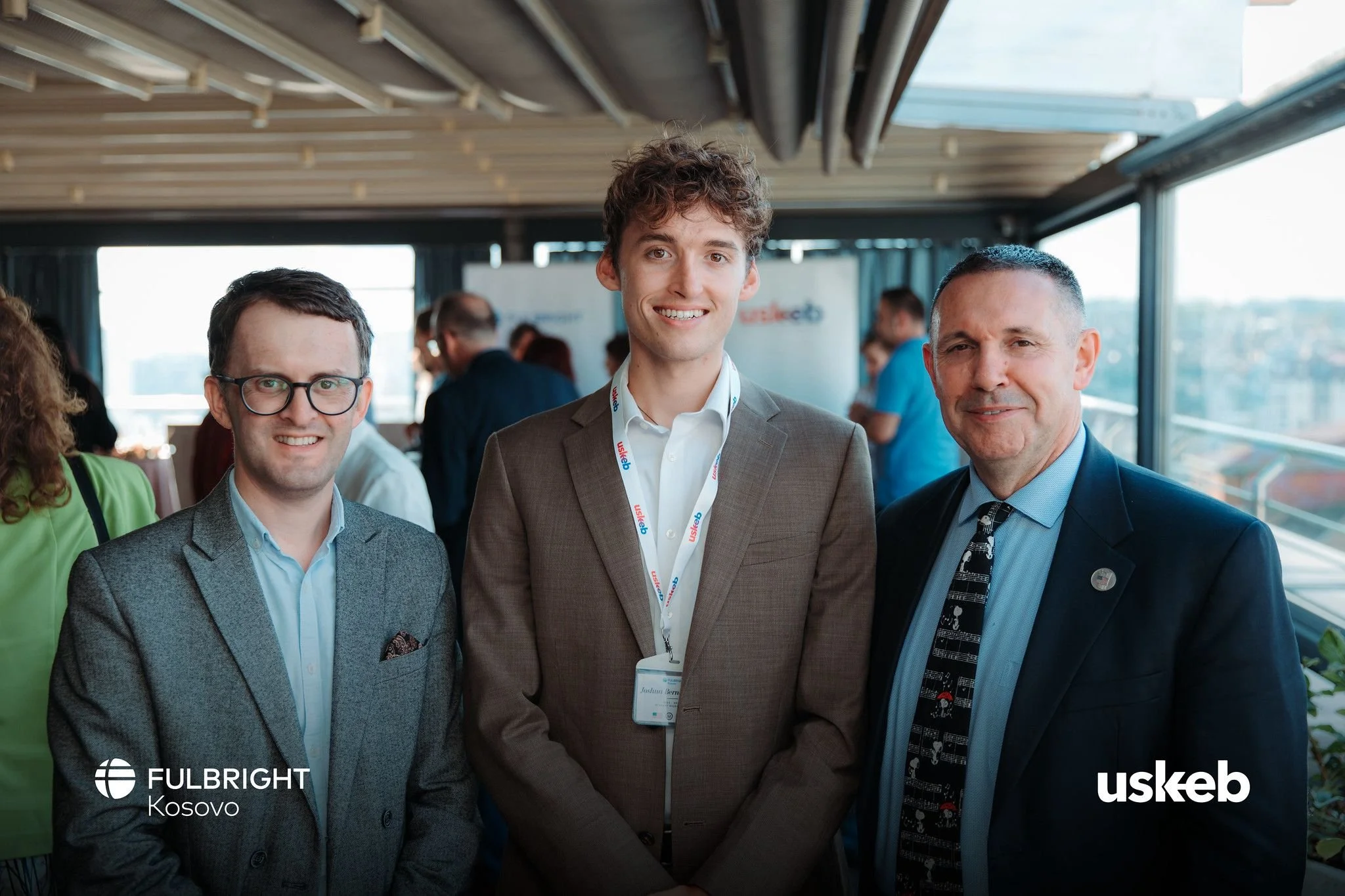
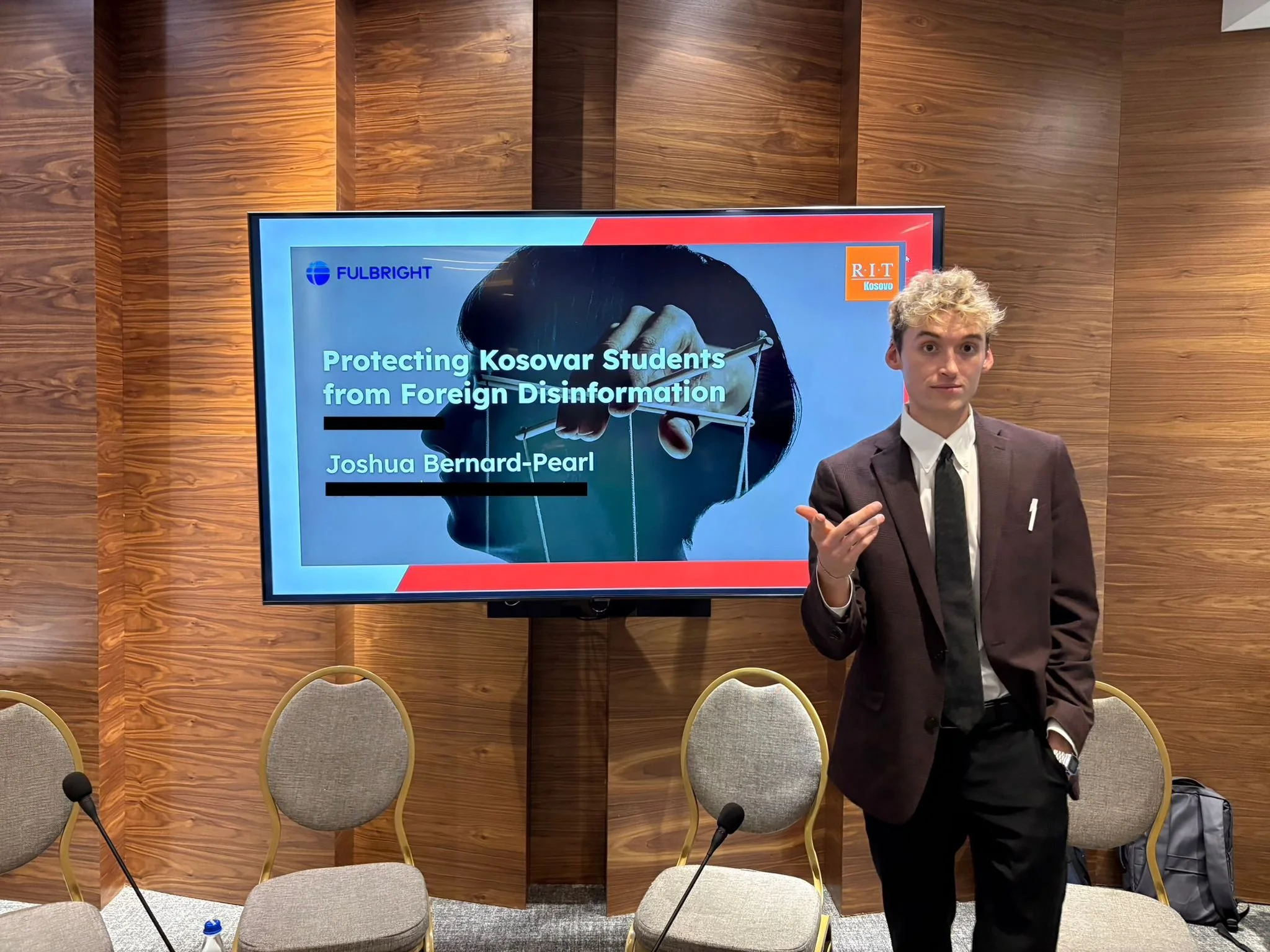
3. Could you tell us about your experience as a Fulbrighter in Kosovo? I work as a researcher based at the Rochester Institute of Technology campus in Kosovo (also known as the American University of Kosovo). I am conducting a project examining misleading narratives and their impact on university students. It has been a valuable experience. People are open, helpful, and generous with their time, and I have collaborated with leading experts in digital literacy, information analysis, and hybrid threats across the country. Outside of my work, I have enjoyed traveling throughout Kosovo and building connections with local communities. It is rewarding to witness a country actively developing and strengthening its international presence.
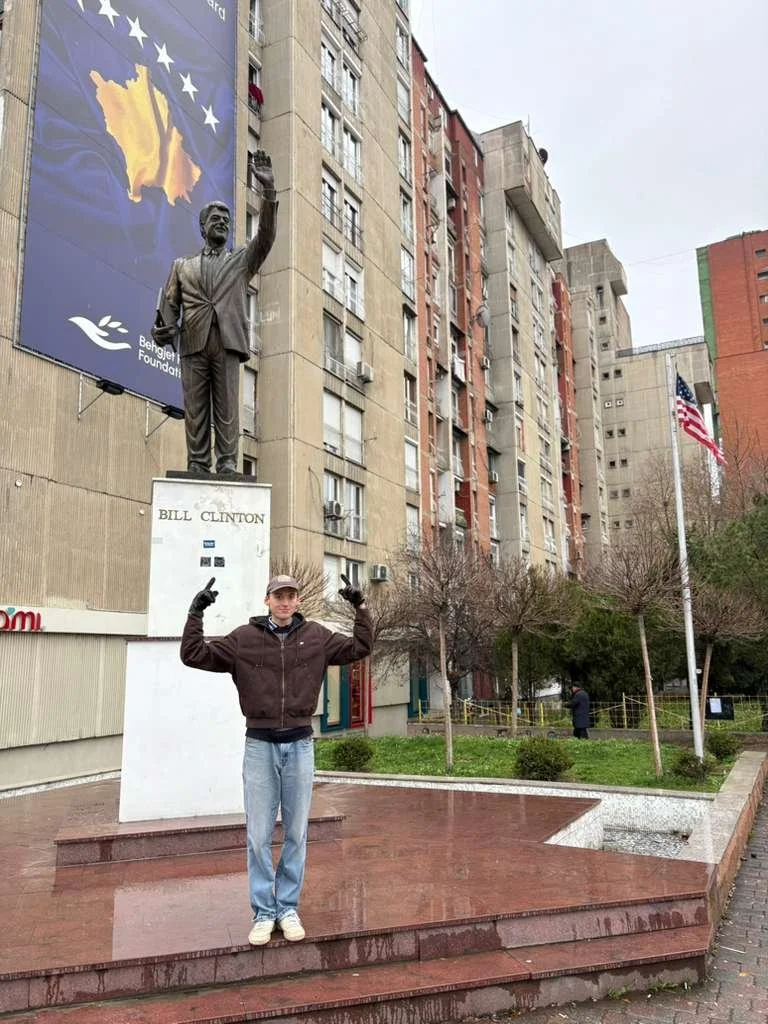
4. What was your very first impression when you arrived in Kosova? My first impression was how welcoming people were. I was also struck by how often people expressed their appreciation for the U.S., whether pointing out statues of figures like Bill Clinton and Madeleine Albright or sharing cultural references like the locally infamous “Thank You USA” song.
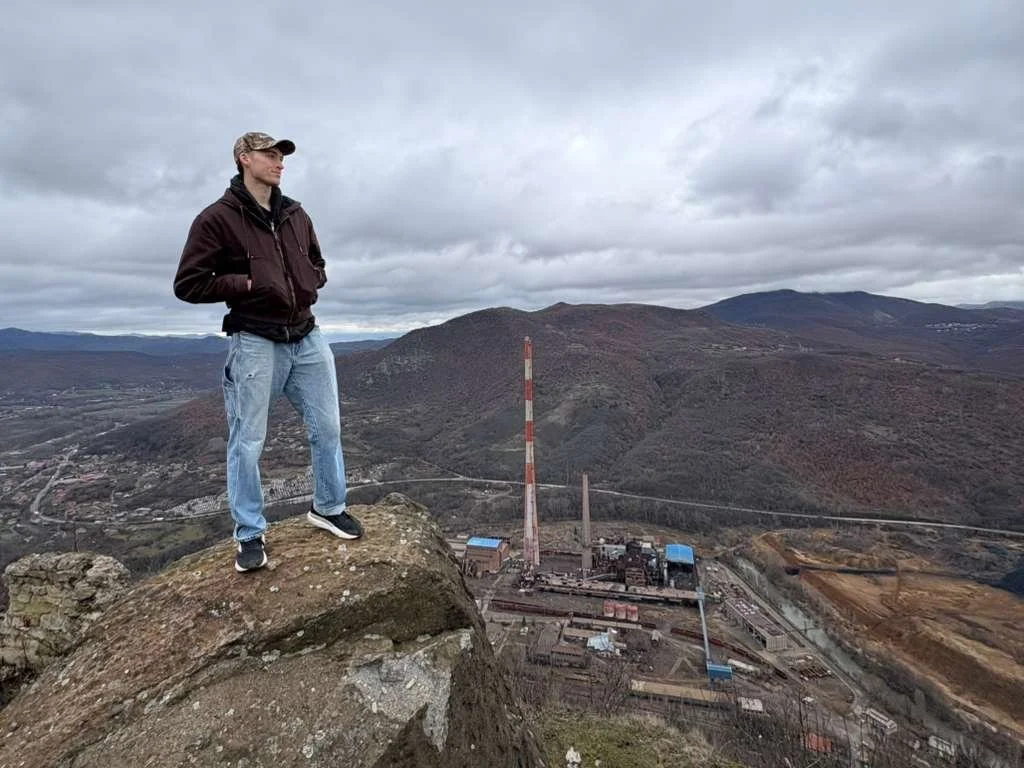
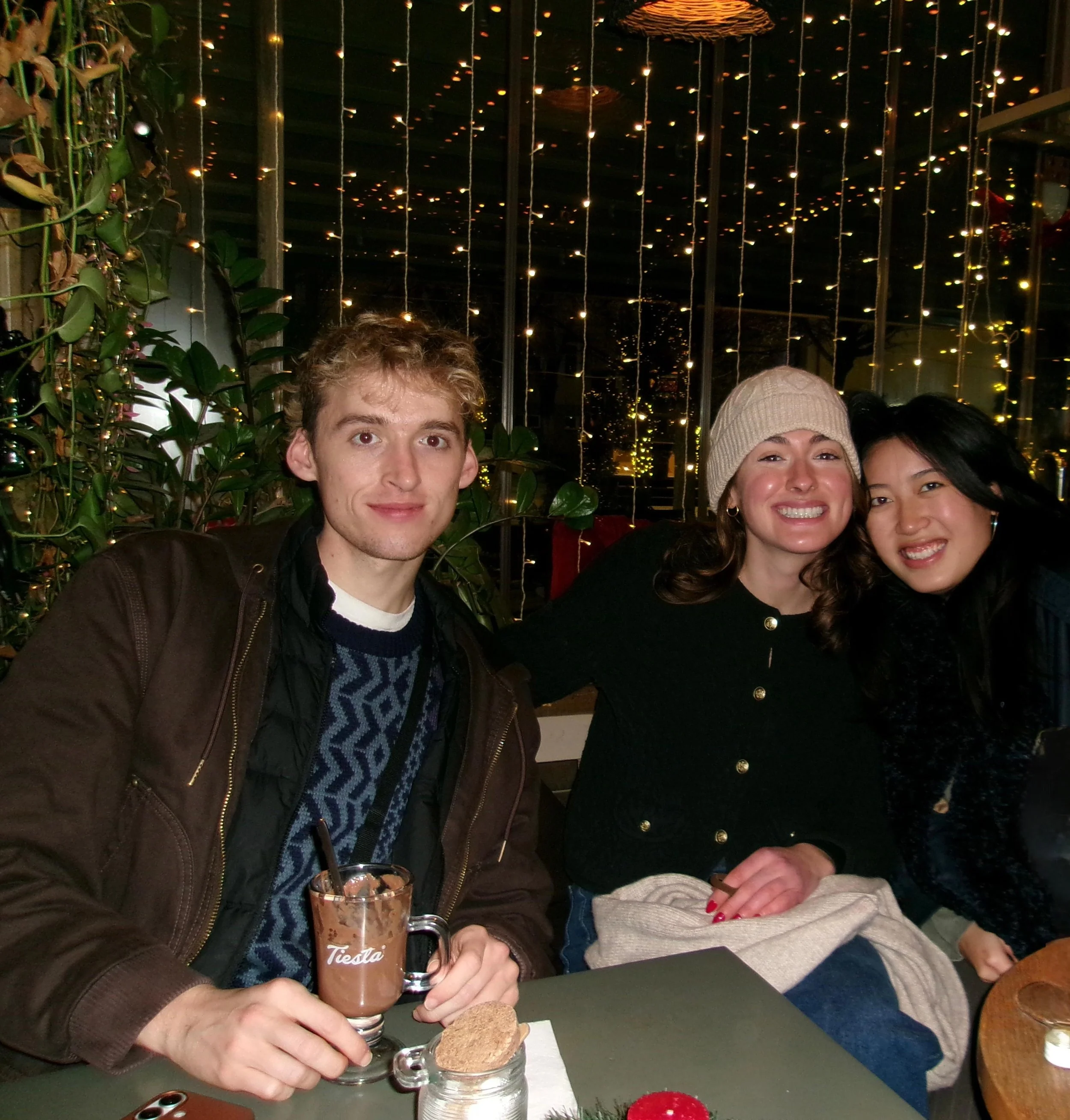
5. What’s one thing about life here that you’ve really grown to love? I have grown to love the cafe culture, spending time in beautiful settings, whether in cities or smaller towns, enjoying coffee and conversation. I also appreciate the strong hiking culture, and have been fortunate to explore Kosovo’s natural landscapes.
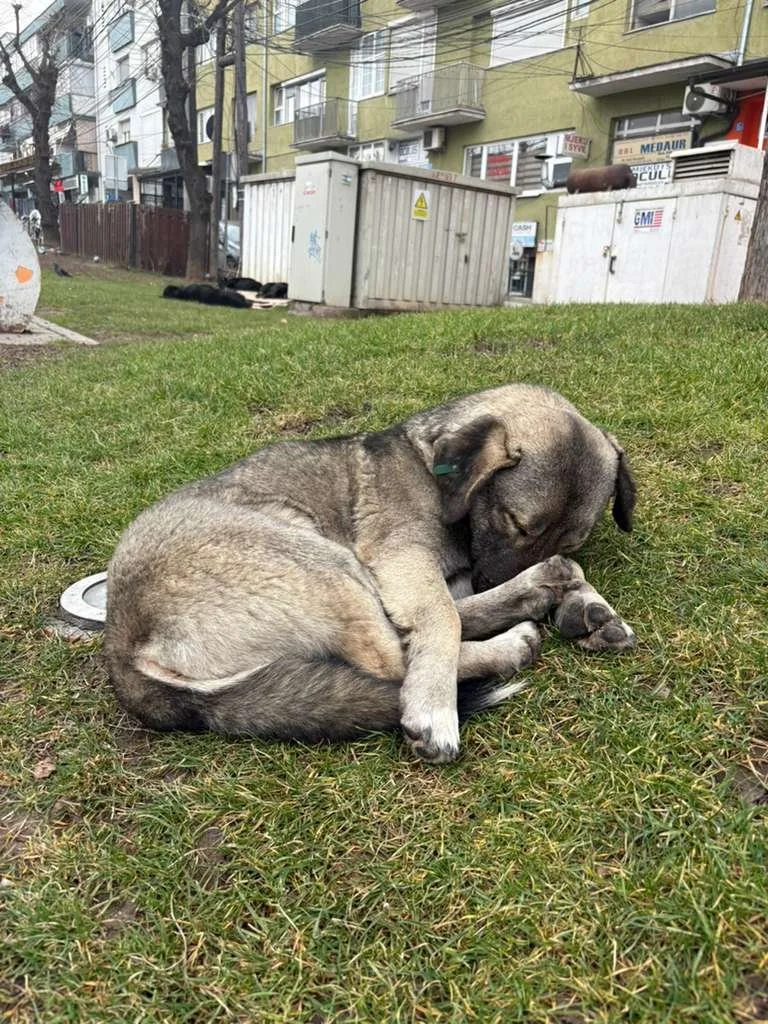
6. What’s one cultural difference that surprised you - in a good way? I was surprised by the number of stray dogs in the streets but I have grown to love them. Now as I walk through Prishtina I recognize the ones I know that are friendly and stop to say hi.
7. What is the most valuable component you have gained from the program? Living in Kosovo has given me the confidence to throw myself into unfamiliar environments with the adaptability to thrive. I have also gained valuable professional experience in narrative mapping, quantitative analysis, and managing a network of professionals that I hope to bring to my future career.
8. How do you plan to implement the knowledge gained after you return to the U.S.? I plan to continue working in national security on issues directly related to my research. Information warfare and other hybrid threats are just as relevant to the U.S. as they are to Kosovo. I also want to carry forward the cultural perspective I’ve gained and my Albanian language skills to connect with Balkan communities in the U.S.
9. How was the application process, and what advice do you have? My main advice for prospective applicants, especially researchers, is to build strong connections with your host institution early on. Understanding their priorities and how they align with your project is crucial. Additionally, if you are a student or recent graduate, take full advantage of your professors as resources; their feedback can be invaluable in refining your proposal and methodology.
10. What is the biggest culture shock you are experiencing in Kosovo? One of the biggest adjustments has been adapting to the indirect communication style in Kosovo. Understanding local nuances in how meaning is conveyed beyond what is explicitly said has been an important learning experience in both professional and social settings.
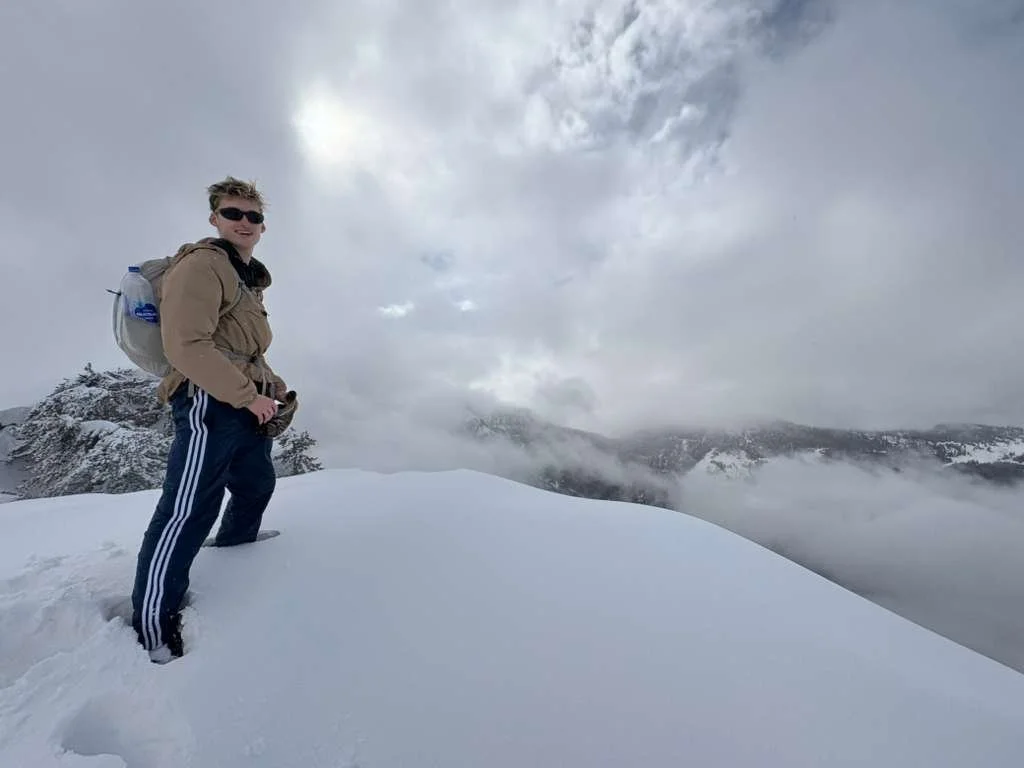
11. What is your favorite place you have visited in Kosovo? My favorite place has been the Rugova Mountains. I had the chance to hike there this winter and the scale of the mountains was breathtaking. A close second would be the old bazaar in Gjakova, especially for its detailed woodwork and traditional architectural style.
12. What is your favorite Kosovar dish/food? I particularly enjoy traditional baked dishes, especially when paired with fresh, warm bread. Tavë Elbasani is a favorite and so is speca me mazë.