
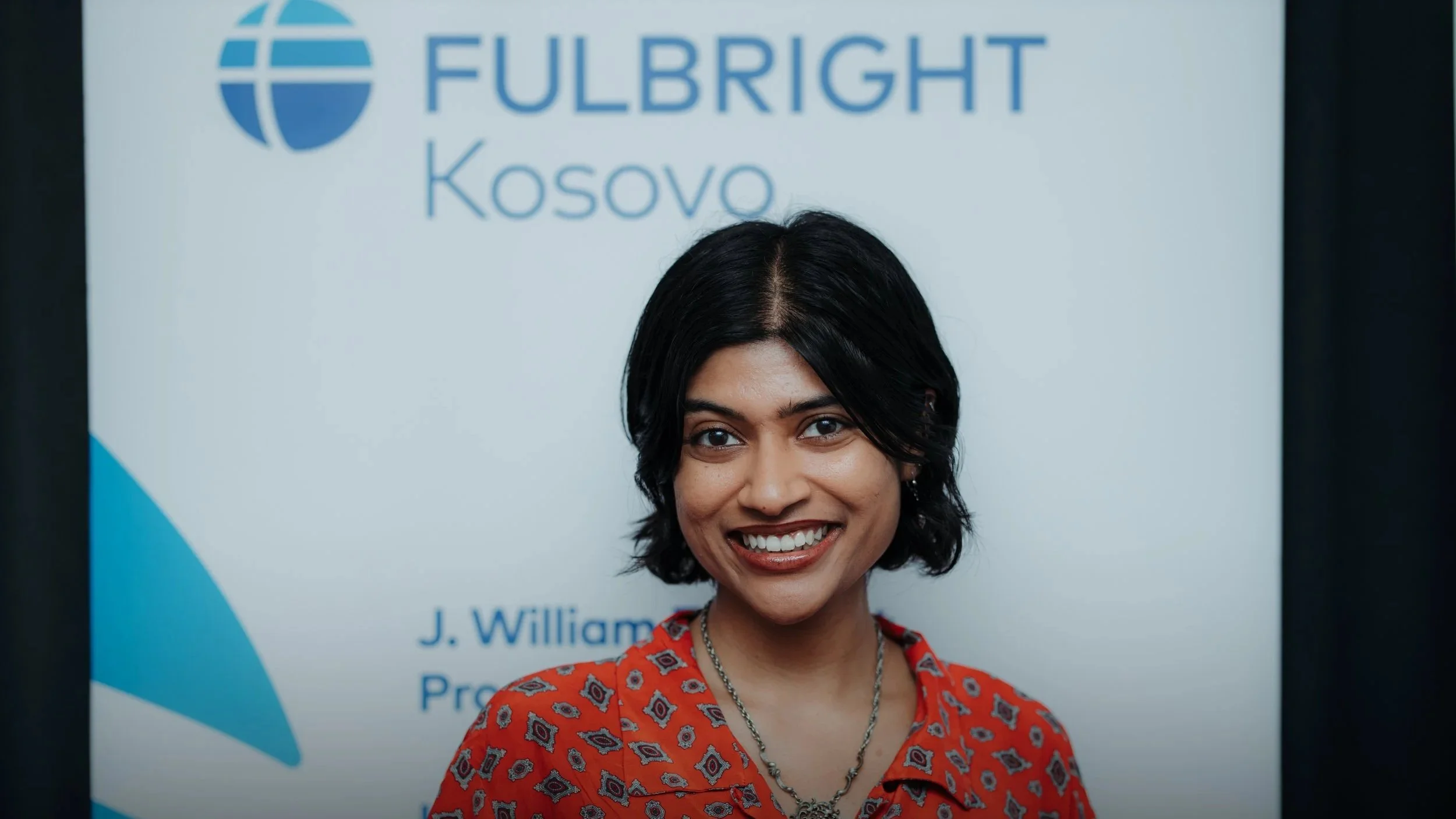
Applying and preparing for an opportunity like the Fulbright Scholarship can be a demanding process. To help ease the journey and offer an insider’s perspective on the Fulbright experience in Kosovo, we connected with members of our U.S. Fulbright community.
We asked them to reflect on their time in Kosovo and share insights on everything from preparing their applications to what it is really like living and engaging in the country as Fulbright researchers. As part of this ongoing series, we continue with 2025-2026 grantee Rohini Mandal.
The Fulbright U.S. Student Program offers Study/Research Awards to recent college graduates, graduate students, and early-career professionals. These awards allow grantees to design and carry out their own projects, often in collaboration with advisers at foreign universities or other higher education institutions, including those in Kosovo.
More info here: https://us.fulbrightonline.org/applicants/types-of-awards/study-research
1. What is your educational and professional background? I hold a BA in Quantitative Social Science from Dartmouth College. After graduating in 2022, I worked in various business roles across management consulting, private equity, and technology, most recently serving as Chief of Staff at CoverRight, an early-stage health insurance technology startup.
2. Why did you choose to apply for the Fulbright Program? The Fulbright Program enabled me to fulfill my goal of conducting academic research abroad. I had always planned to return to academia after a few years in industry, and the program equipped me with the resources to undertake a project I deeply care about in a setting where I have both professional and personal connections. I’m treating my grant research as a “pre-doctoral” training period, with the hope of understanding who I am as a researcher and deepening my skills under the supervision of my brilliant affiliates.
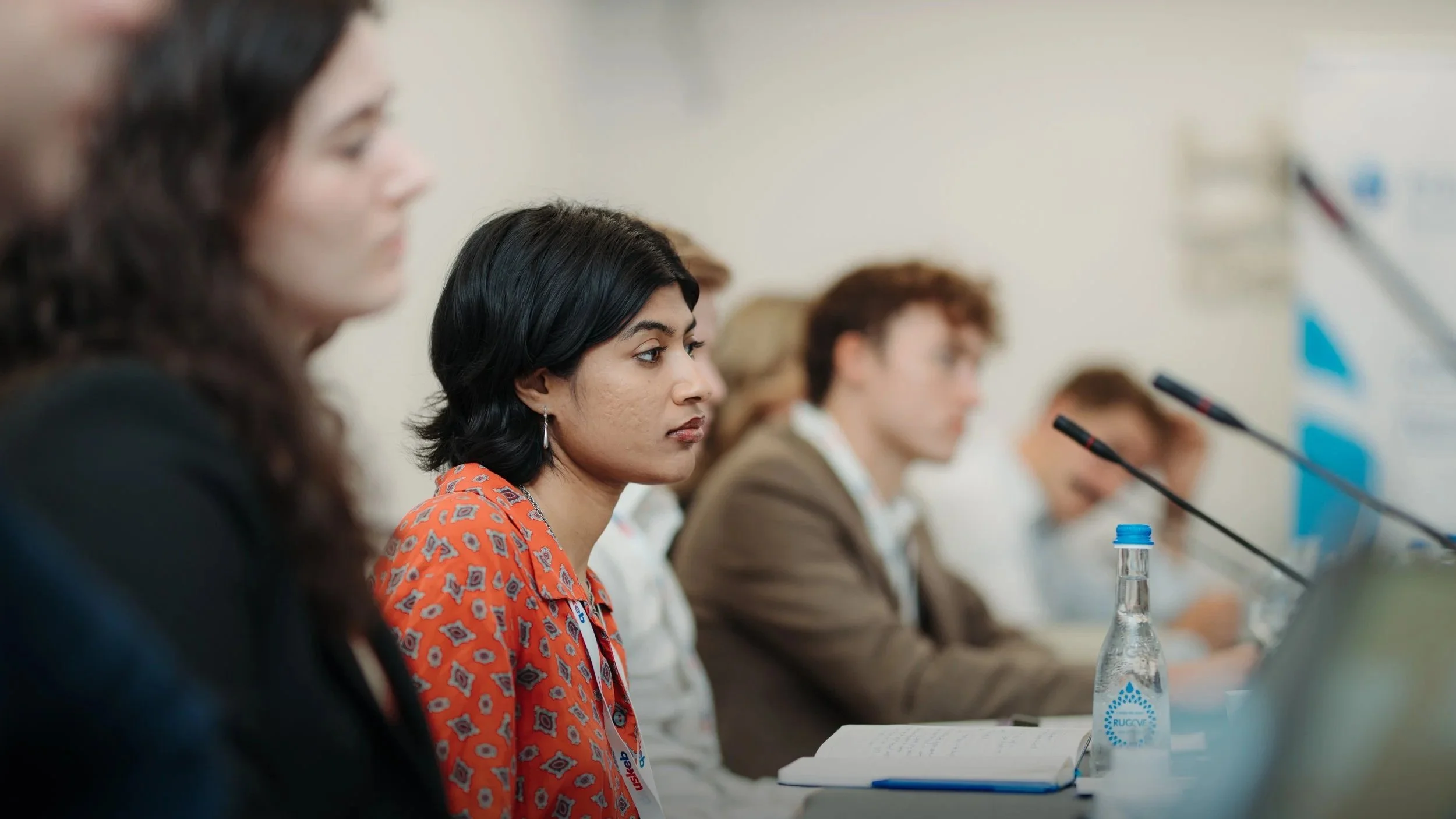
3. Could you tell us about your experience as a Fulbrighter in Kosovo? My project focuses on the pathways that Long COVID patients take to access care through the health system. To this end, I’ve been connecting with stakeholders in the healthcare ecosystem in Prishtina and designing a study that can help identify where deficiencies in the care system exist. In my downtime, I volunteer with Action for Mothers and Children, a nonprofit that provides health and education resources to expecting and new mothers. Throughout my experiences, I have been moved and humbled by the efforts of Kosovars to improve the health of their communities and the world. I am also deeply grateful to AMC and my contacts for their expertise and guidance.
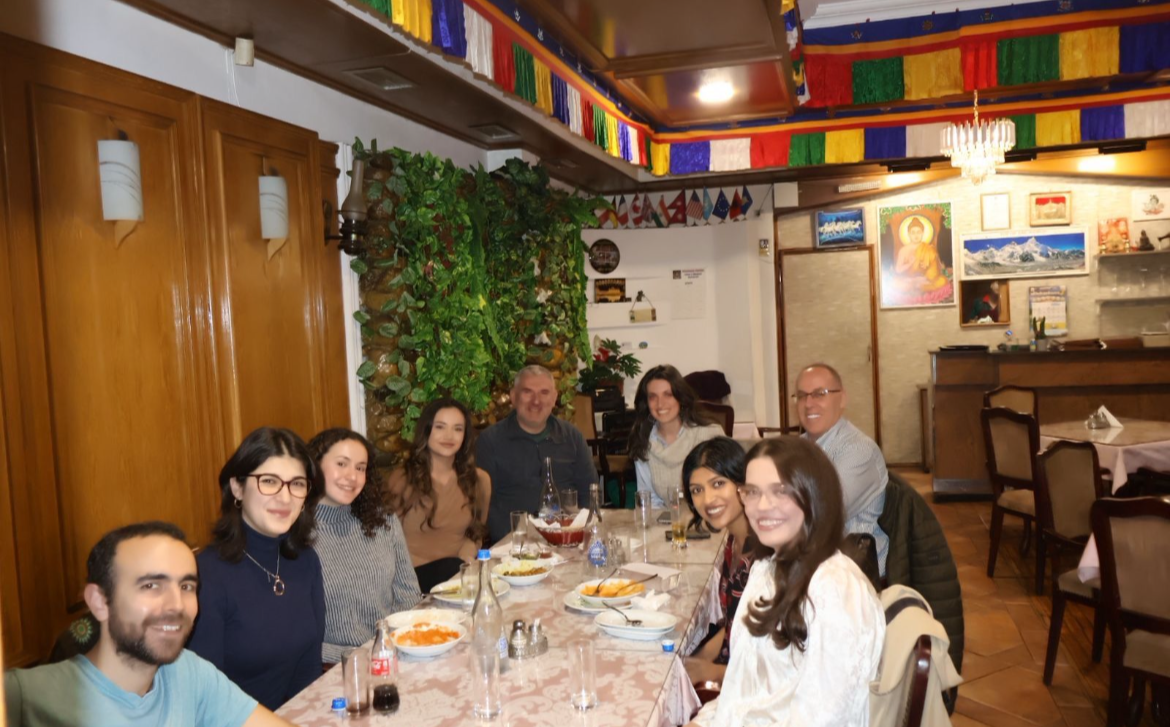
4. What was your very first impression when you arrived in Kosovo? I was struggling to lug three suitcases into my temporary apartment on the day I landed in Prishtina. A man saw me struggling and offered to load my suitcases into his car and drive me to the apartment. When we arrived, he had me take down his number and encouraged me to reach out if I needed anything during my stay in Kosovo. In retrospect, it may not have been the wisest decision to quickly accept help from a stranger on my first day in a new country, but this experience turned out to be the first of many kindnesses that Kosovar locals have extended to me.
5. What’s one thing about life here that you’ve really grown to love? Cafe culture! Projects are conceptualized, new and old friends are met, and collaborations unfold in cafes across Kosovo. The cafe is a true site of community, and I hope the U.S. follows suit.
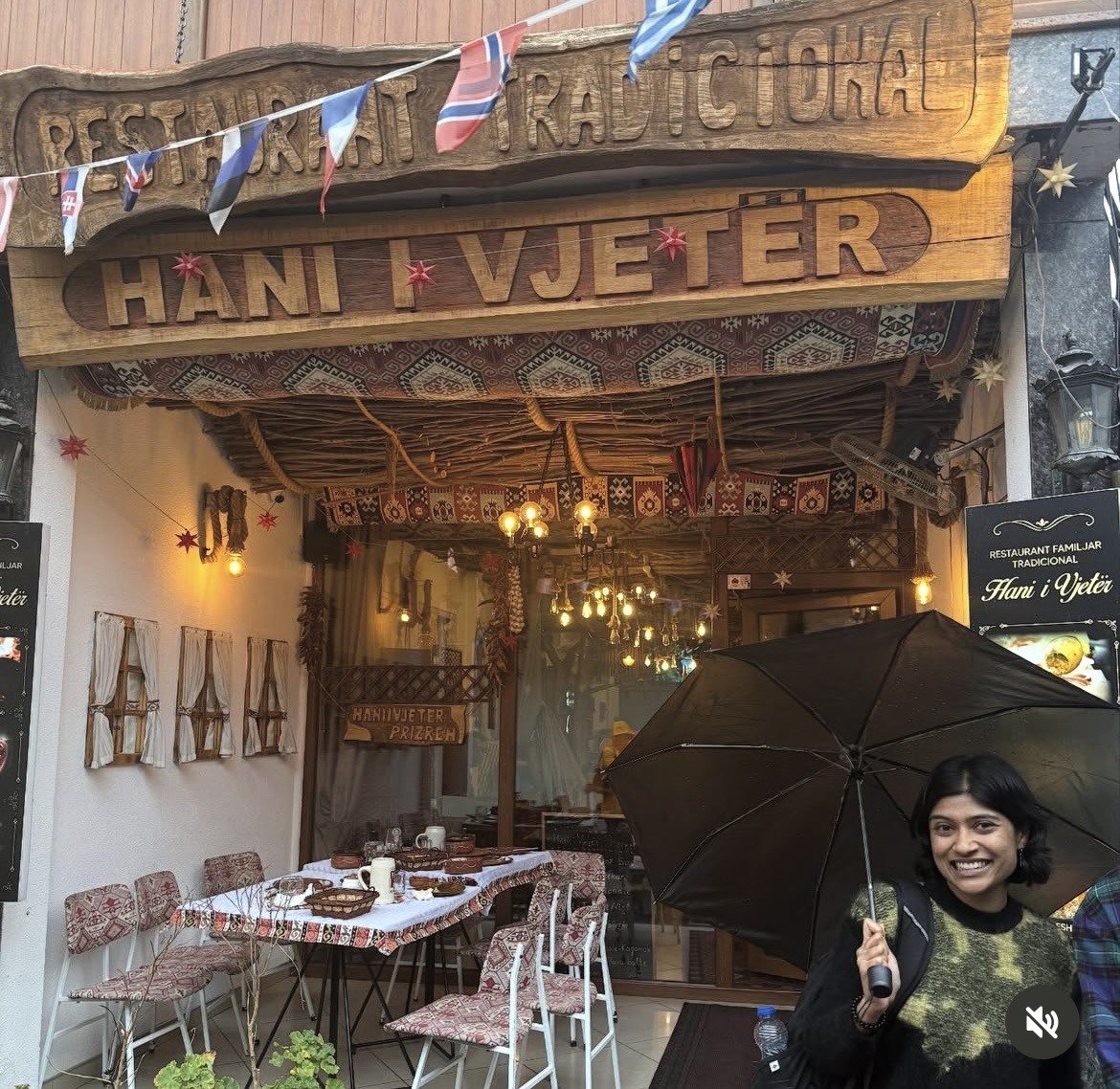
6. What’s one cultural difference that surprised you - in a good way? When I greet a friend here, I’ve learned to hug them twice - once to the left and once to the right. The warmth of the gesture is really sweet. Farmers’ markets also offer cheaper produce than grocery stores, which makes perfect sense. Once again, I hope the U.S. follows suit.
7. Is there a word, phrase, or tradition from Kosovo you’ve picked up and use often?
Mirë!
8. What is the most valuable component you have gained from the program? I’ve become comfortable trusting my instincts when faced with a research problem. I’m also now an intermediate beginner in yoga!
9. How do you plan to implement the knowledge gained as a part of the program after you return to the U.S.? Much of my research centers on being methodical in the way I analyze and assimilate new information. Through exercises involving reading theory and engaging with the work of others, I’ve gained confidence in redirecting my work to prioritize feasibility and produce sound, transferable science. I’ll attend graduate school next year and hope to bring these skills into my program.
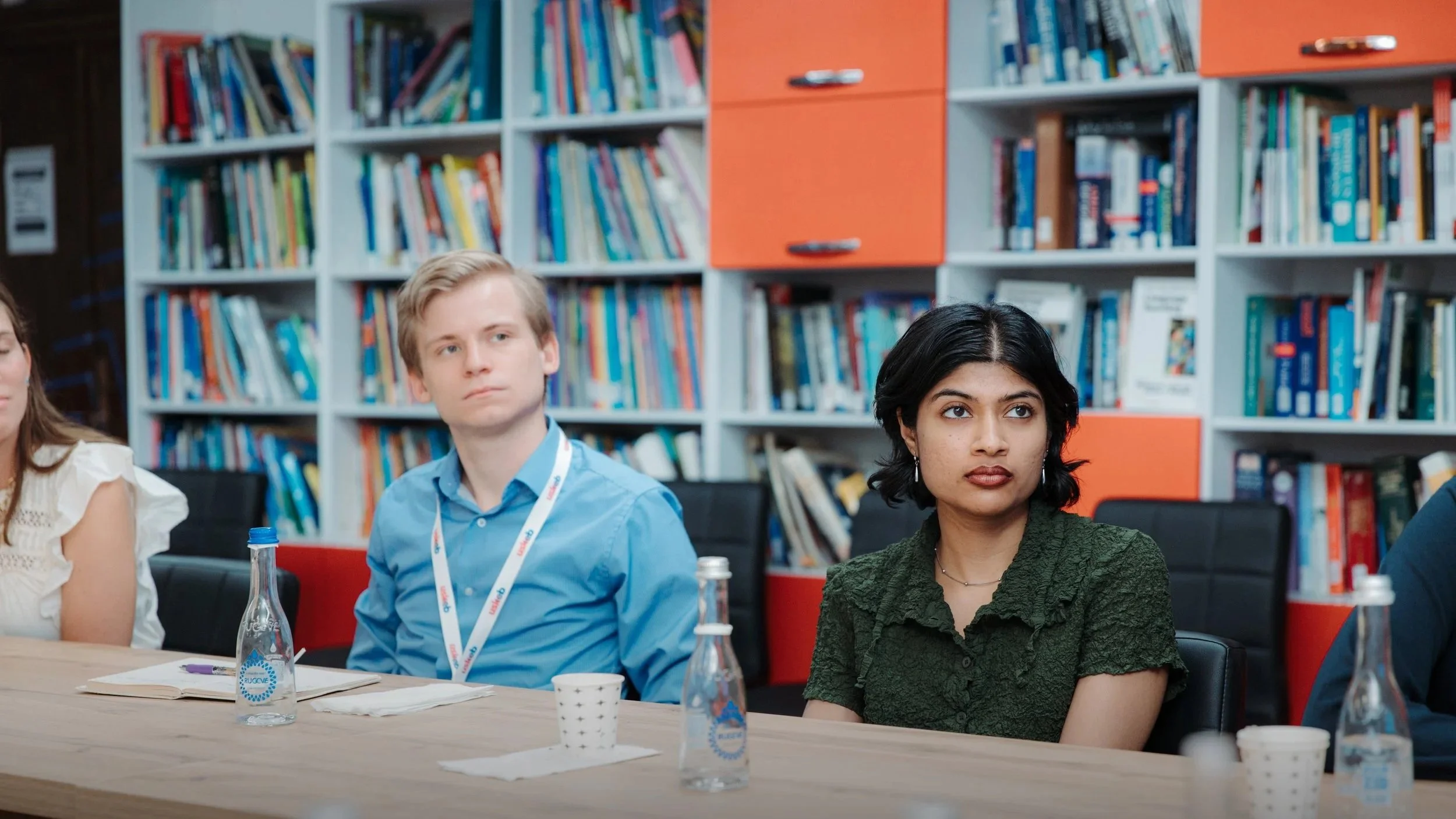
10. How was the application process for you, and what advice do you have for prospective candidates? Start early and write multiple drafts of your essays. Leverage campus resources (if available to you), and have friends read over your materials. Be precise in your rationale for “why X country?”, “why this research question?”, and “why you?” Apply again if you aren’t successful in the first round!
11. What is the biggest culture shock you are experiencing in Kosovo? A significant culture shock has been the strong emphasis on an honor code, which extends into business and daily life. If you schedule a taxi, you won’t always receive a confirmation, but you can trust that it will arrive. There have been times when I’ve realized I’m short on cash while trying to pay a bill, and the owner or cashier reassures me that I can settle it the next time I visit - whether that’s tomorrow or next week. I find the U.S. to be a bit more litigious in these situations.
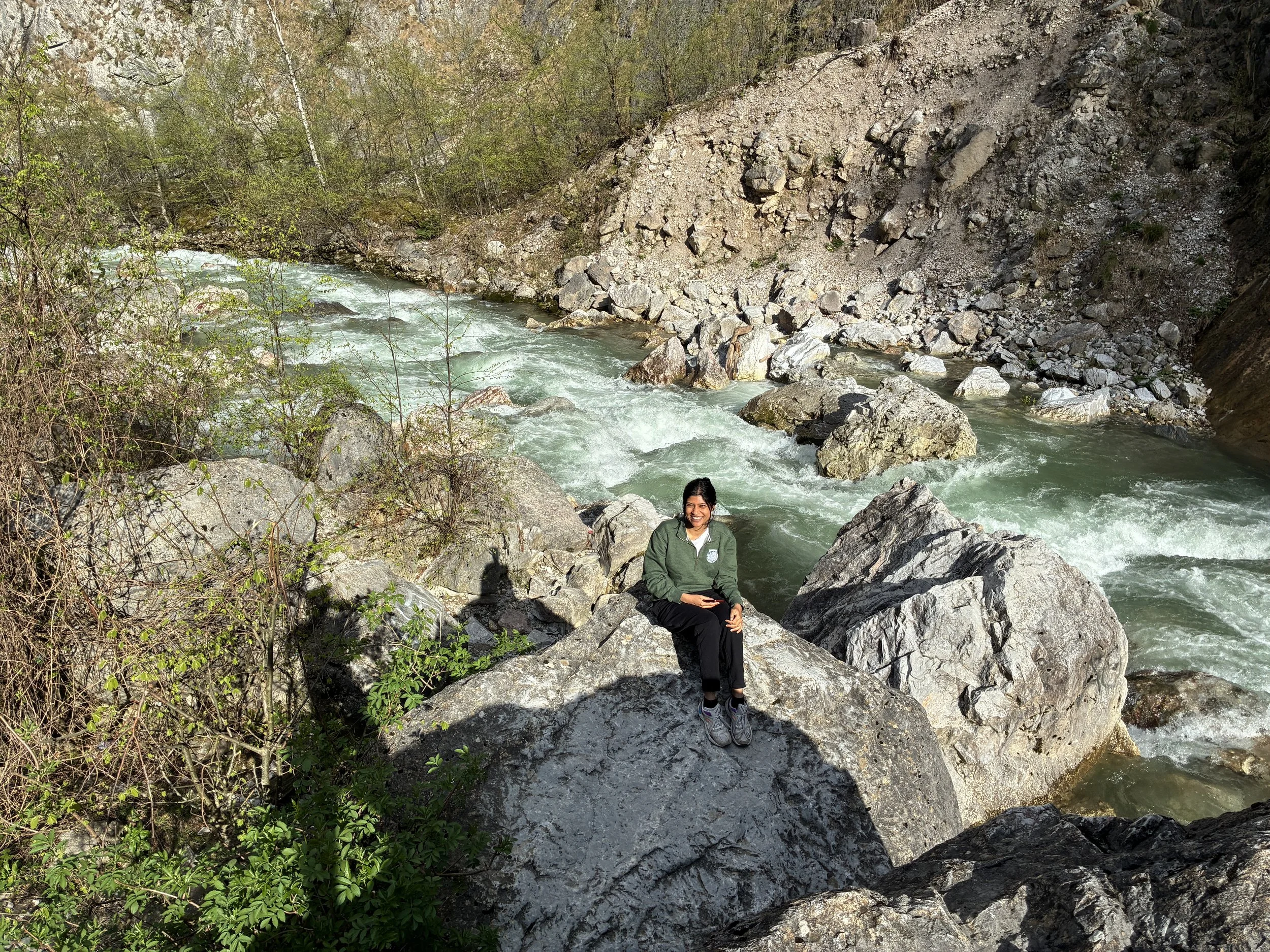
12. What is your favorite place you have visited in Kosovo while participating in the Fulbright Program? The Mirusha waterfalls.
13. What is your favorite Kosovar dish/food?
Ajvar.