
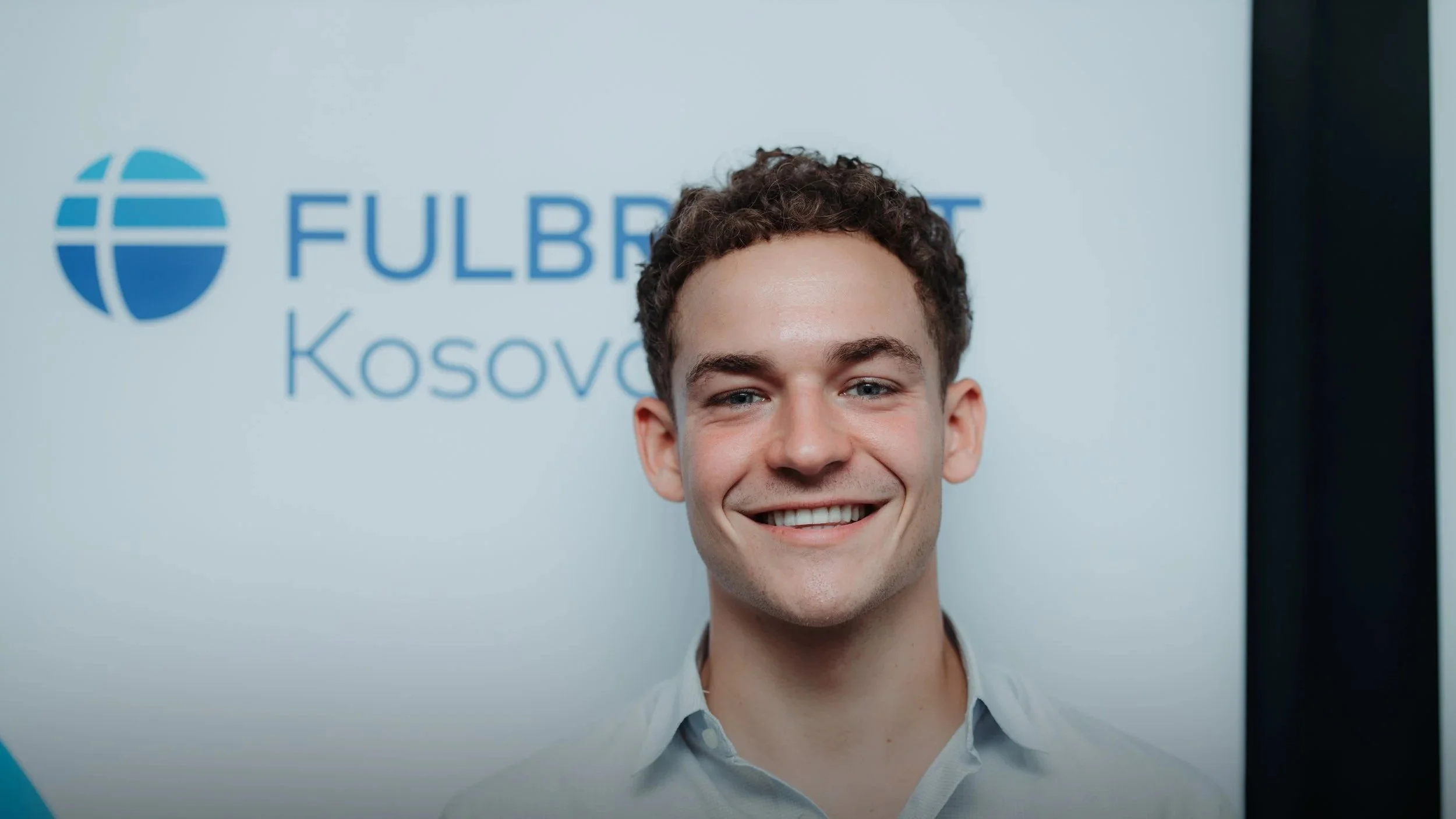
Gent Malushaga is a 2025/2026 Fulbright English Teaching Assistant at the University of Mitrovica “Isa Boletini,” where he works with first‑year students across multiple faculties, including Law, Engineering, Computer Science, and Economics. Since arriving in Kosovo in mid‑September, he has been struck by the warmth and hospitality shown toward Americans and by the strong sense of openness within the community. As a Kosovar‑American, Gent has found his experience especially meaningful, noting the pride and friendliness people extend when he represents the United States. He has grown to love the country’s café culture and relaxed pace of life, which emphasize connection, presence, and taking time to enjoy everyday moments - values he now also brings into his classroom.
The Fulbright English Teaching Assistant (ETA) Program places U.S. students in classrooms in Kosovo to support local English teaching staff while teaching the language and serving as cultural ambassadors for the United States.
This program is jointly funded by the U.S. Department of State and the Government of Kosovo.
Please introduce yourself by briefly sharing who you are, where you are currently teaching, and the name of your host institution: My name is Gent Malushaga, and I’m an English Teaching Assistant at the University of Mitrovica “Isa Boletini.” I help teach first-year students in the faculties of Law, Geosciences, Computer Science and Mechanical Engineering, Food Technology, and Economics. I’ve been in Kosovo since mid-September 2025, so almost seven months at this point!
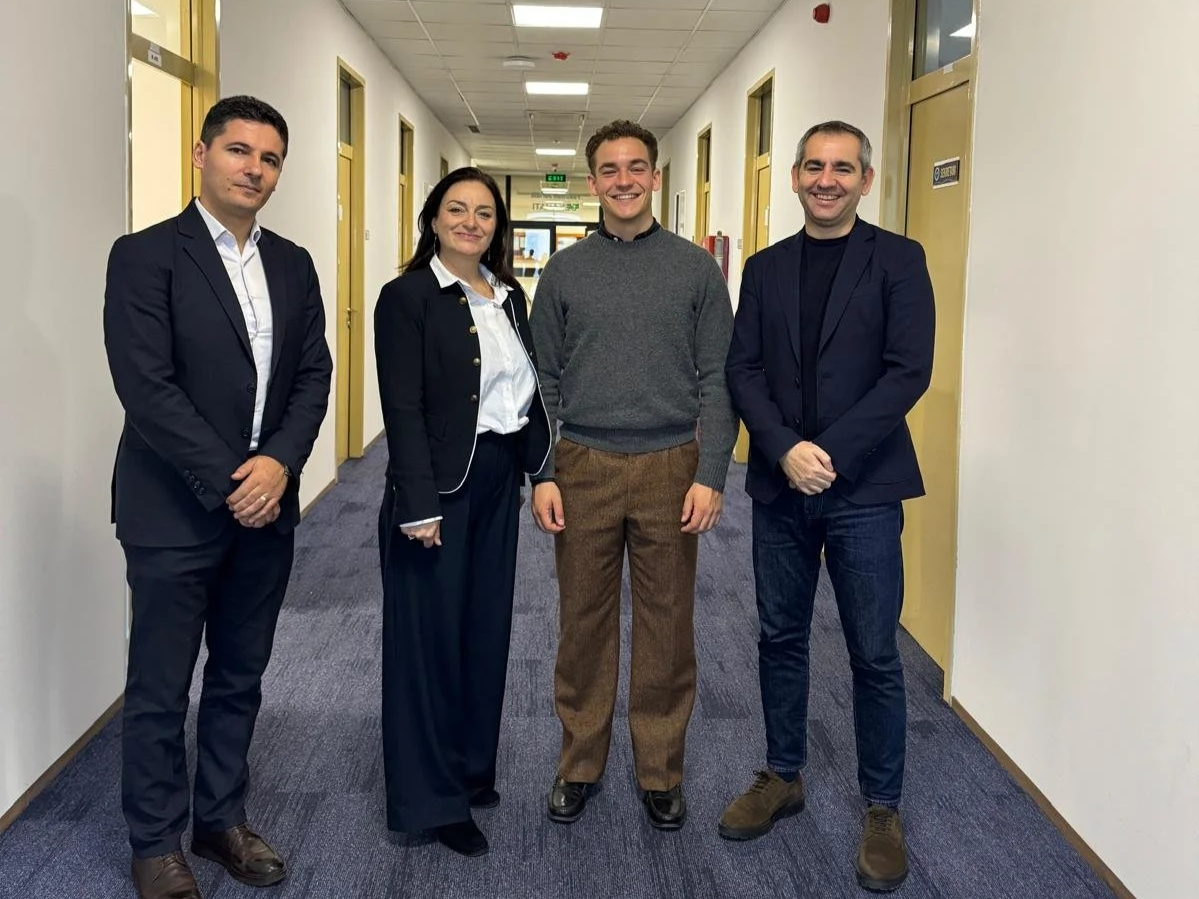
What was your very first impression when you arrived in Kosovo? People here are very fond of the U.S. and treat American visitors extremely well. As a Kosovar-American, I had visited Kosovo before to see family, but this was my first time here representing the U.S. During the first few days, I was struck by how eager people were to help me settle in and find my way around Prishtina - not because I’m Albanian, but because I’m American.
What’s one thing about life here that you’ve really grown to love? The coffee culture! Gathering in cafés with family, friends, and colleagues is a daily ritual here, and I think it’s emblematic of the important role that spending quality time with loved ones plays in Kosovar culture. My students didn’t believe me when I told them that meeting a friend for coffee in the U.S. often requires planning several days in advance. No matter how busy life gets, Kosovars always make time for coffee.
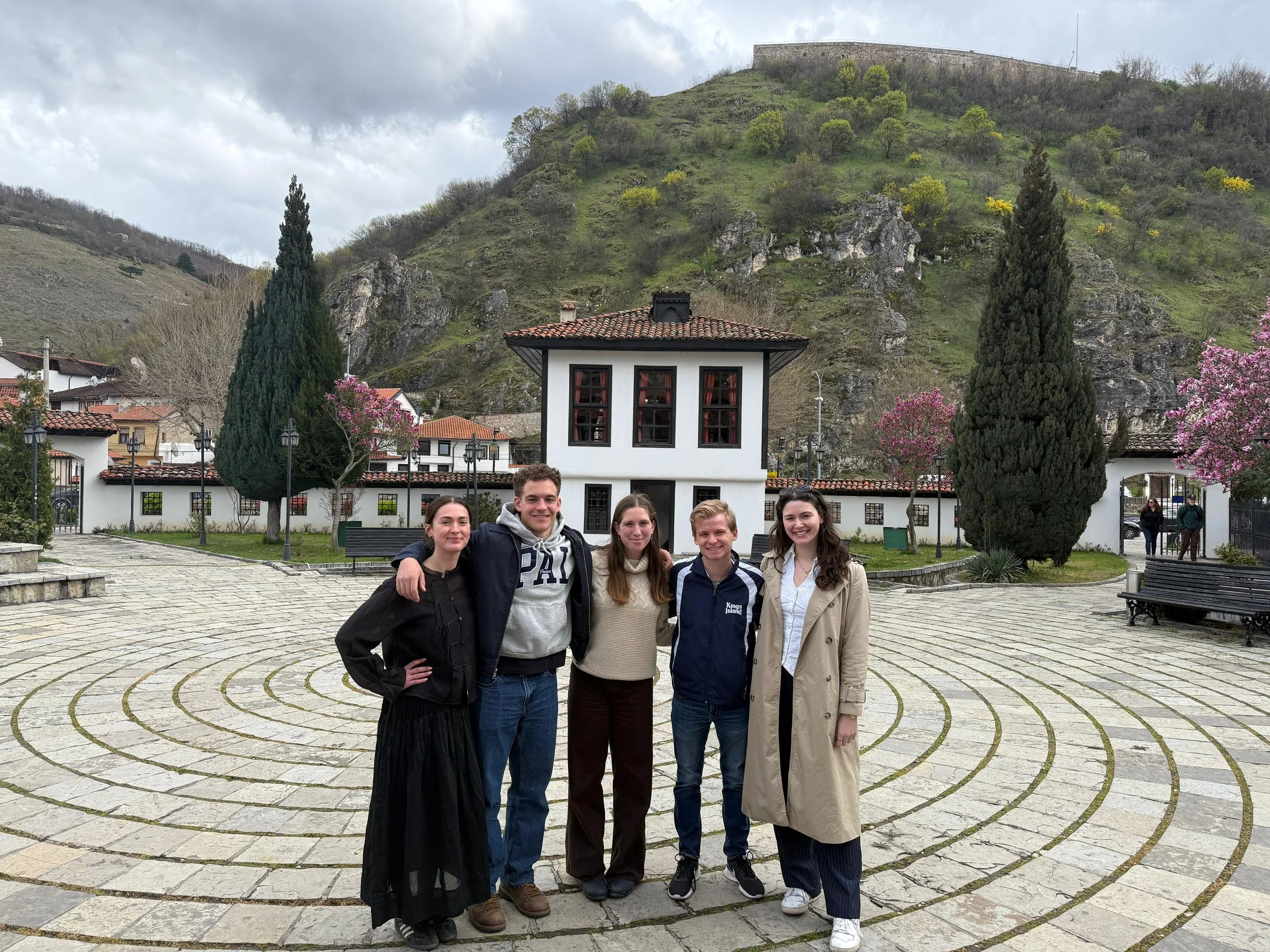
How would you describe your students in one word – and why? Funny. Being so close in age to my students has allowed me to connect with them on a personal level, and I’ve found that we all share a similar sense of humor. I think being able to joke around in the classroom cultivates a comfortable, low-pressure environment that’s conducive to learning.
What’s been your favorite classroom moment so far? I always find it funny which things about American culture surprise my students the most. How you present yourself in public is a big deal in Kosovo - students and professors at my university generally dress to impress. During a presentation on student life in America, when I mentioned that students living in college dorms might roll out of bed and walk to an early-morning lecture in their pajamas, they were utterly shocked.
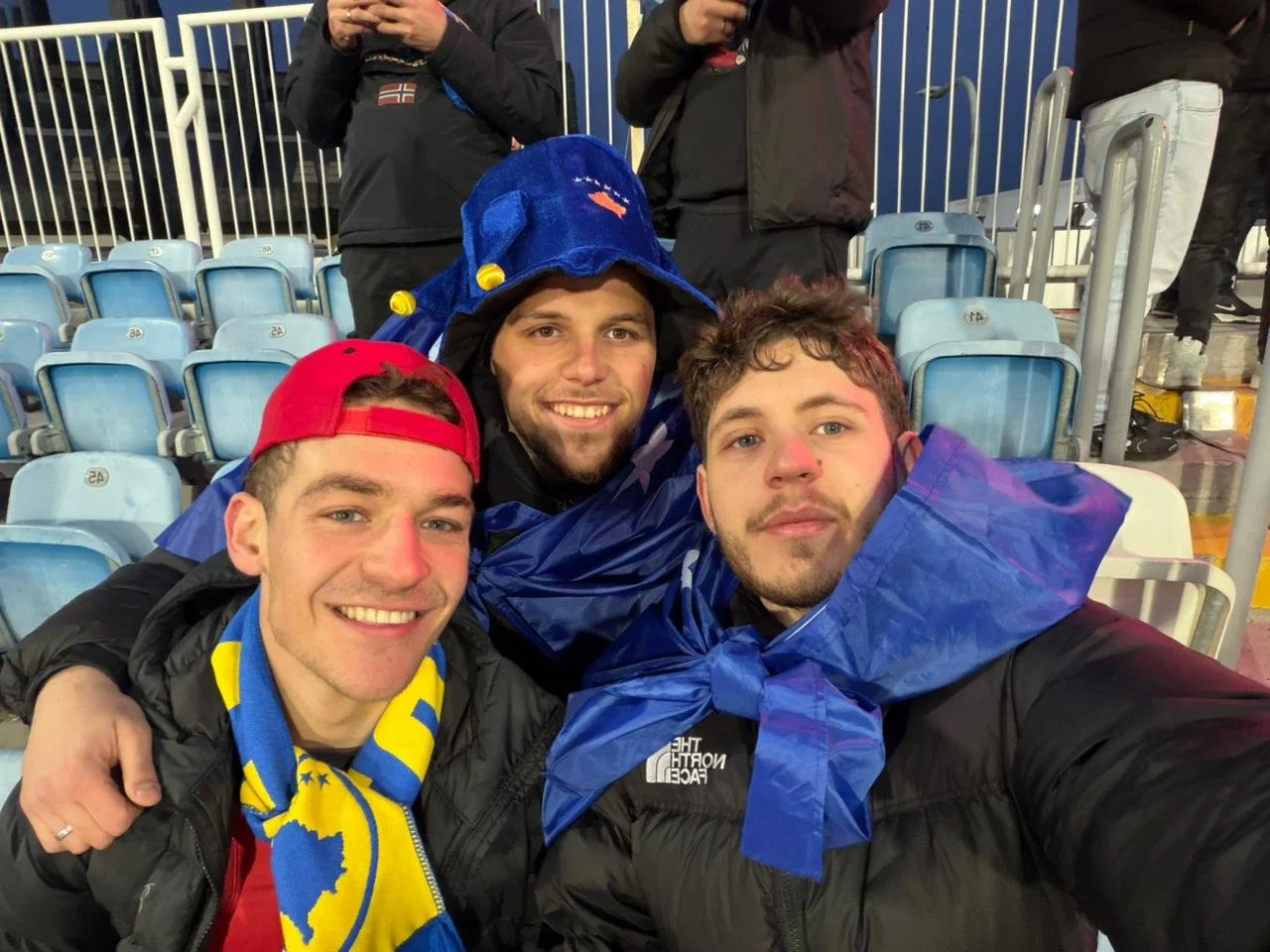
What’s one cultural difference that surprised you - in a good way? The pace of life here is much more relaxed compared to the U.S. While people spend a lot of time out and about, it’s rare to see them rushing from one place to the next. In cafés and restaurants, or while strolling around the city center, people tend to take their time and soak in their surroundings.
Is there a word, phrase, or tradition from Kosovo you’ve picked up and use often? Ju bëftë mirë. I think it’s a nice gesture to wish someone a good meal - something we don’t really have a direct translation for in English.