Hubert H. Humphrey Fellowship Program Spotlight: Besart Grabanica
Applying for a program like the Hubert H. Humphrey Fellowship can be a nerve-wracking experience. We decided to catch up with our fellow to ease your mind and provide you with an insider’s look into the Humphrey experience. We asked them to reflect on their experience and answer our insightful questions.
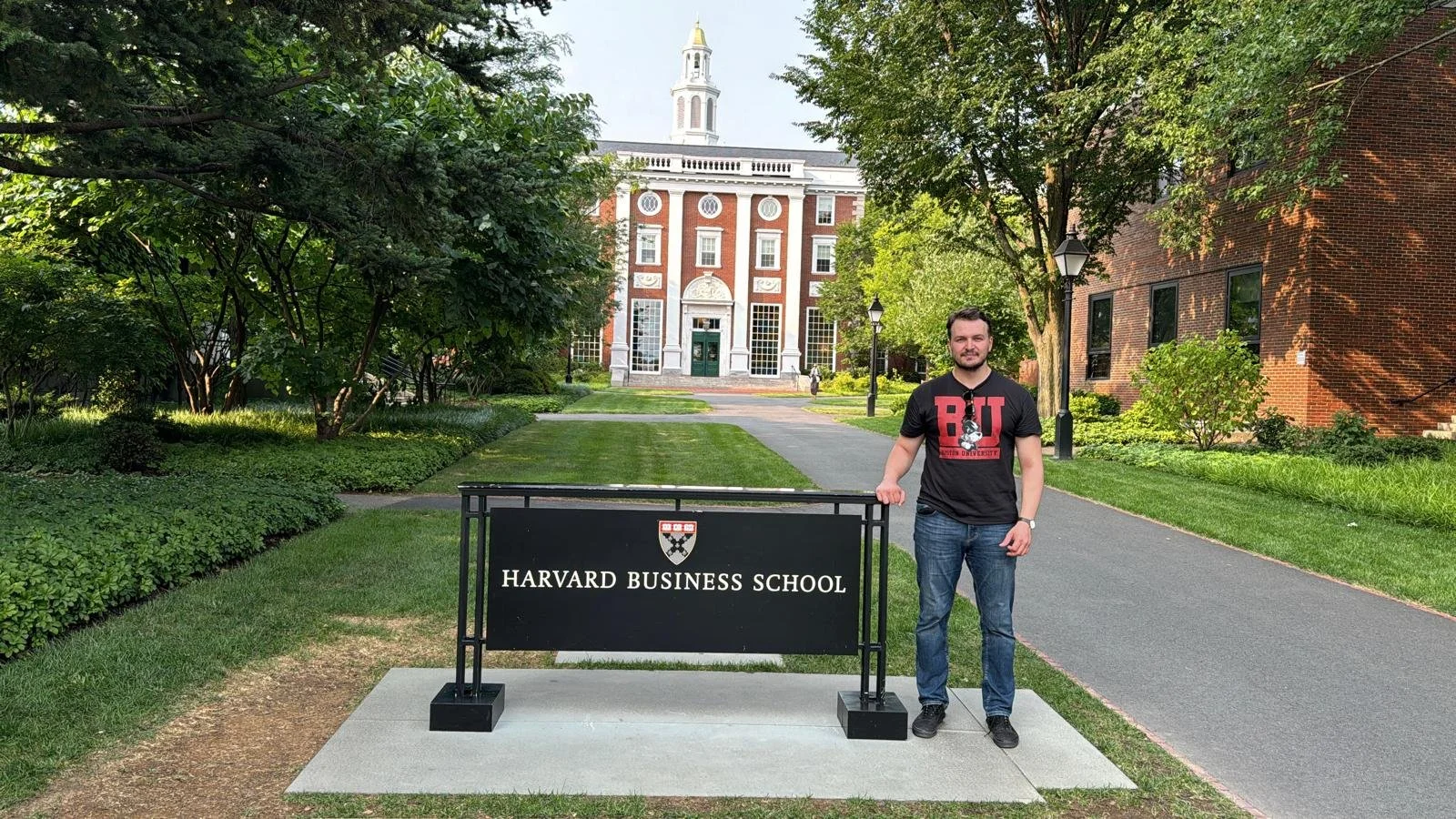
We are continuing our series of questions with our 2024-2025 Humphrey Fellow Besart Grabanica, who was placed at Boston University.
To learn more about Hubert H. Humphrey Program, visit: https://xk.usembassy.gov/the-hubert-h-humphrey-fellowship-program/
1. What is your educational and professional background? I trained as an economist, earning a Bachelor of Applied Arts and Sciences from RIT Kosovo with a double major in Economics and Statistics, then a master's degree from Université Paris 1 Panthéon-Sorbonne in mathematical economics and game theory, funded by the EU's Young Cell Scheme scholarship. My career since has been anything but linear: I've worked across standards and compliance, public policy at Kosovo's Office of the Prime Minister, fiscal risk analysis at the Ministry of Finance, and eventually into data science and machine learning, building AI systems in the private sector and leading a computer vision team in healthcare. That range is not an accident. It's given me a rare fluency across the technical, regulatory, and institutional sides of a problem, which is exactly what I now bring to my current room to my current role as AI/Data Technical Project Manager
2. Why was the Humphrey Program the right fit for your professional goals at this stage of your career? At this stage in my career, I wasn't looking to choose between deepening my technical expertise and building the leadership and policy skills to match it. I wanted both, and Humphrey was one of the few programs designed to offer exactly that. It let me pursue a Graduate Certificate in Data Analytics, which opened the door to graduate coursework that went well beyond the basics of data analytics and data science, allowing me to go deeper into the mathematical foundations of machine learning and take on advanced machine learning and deep learning. Alongside that, leadership seminars at the Questrom School of Business sharpened my ability to lead, negotiate, and operate effectively across institutions, so my technical growth and my leadership growth happened in parallel rather than in sequence.
Just as important was the nature of the program itself. Unlike a scholarship, which is largely an individual pursuit, a fellowship places you within a cohort, and that distinction shaped the experience as much as the coursework did.
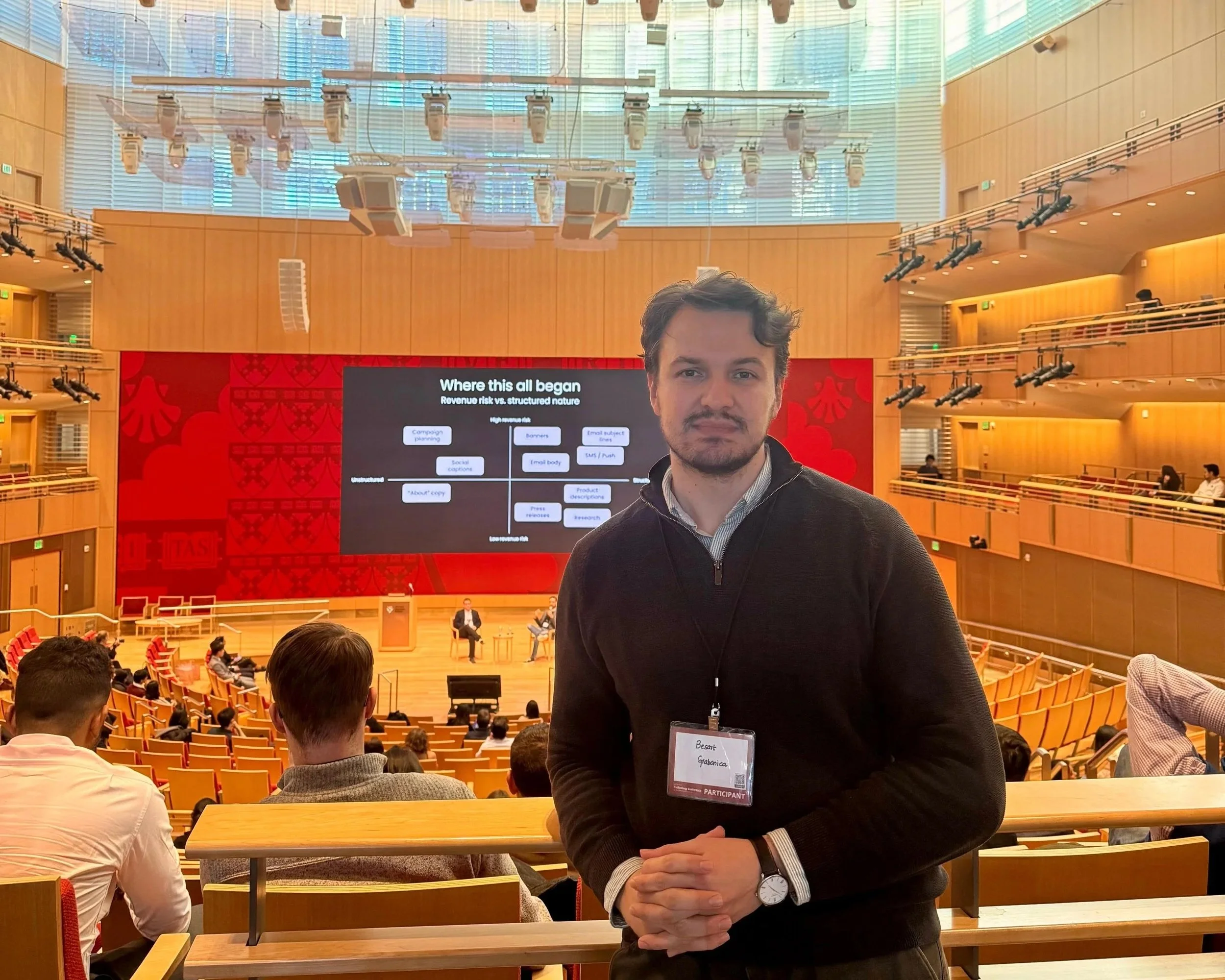
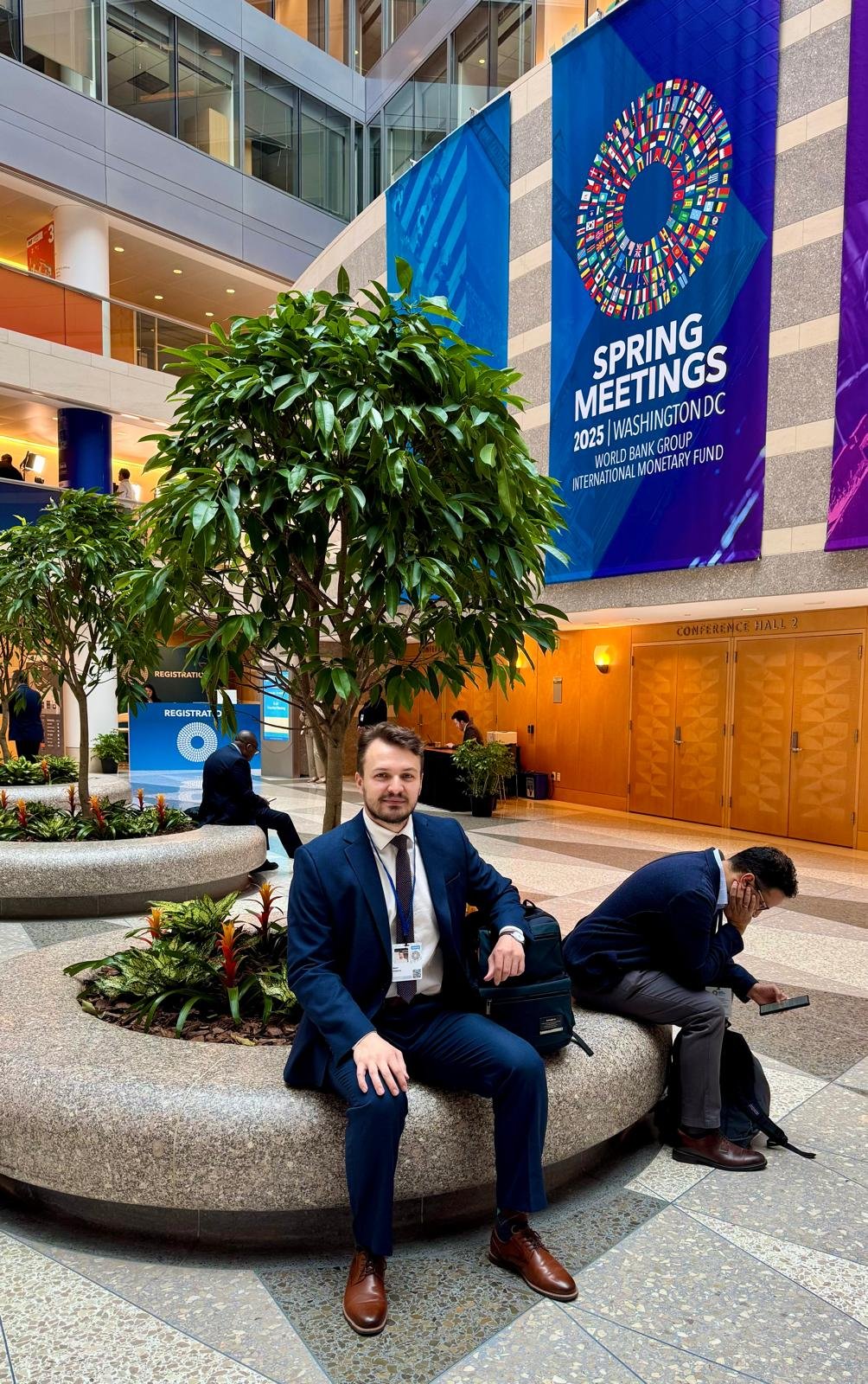
3. What is the most valuable component you have gained from the program? The most valuable part wasn't a single class or credential, it was the sheer proximity to institutions and people I had admired from a distance for years. Being based in Boston meant I could walk into conversations at Harvard, MIT, and Columbia, take part in hackathons, and sit in on seminars and conferences that would have been out of reach from Kosovo. That access did something a syllabus alone couldn't: it recalibrated my sense of scale, what a serious AI or policy initiative actually looks like when resources and talent are unconstrained, and what it takes to build something at that level. I came home not just with new skills, but with a clearer picture of the standard I'm building toward.
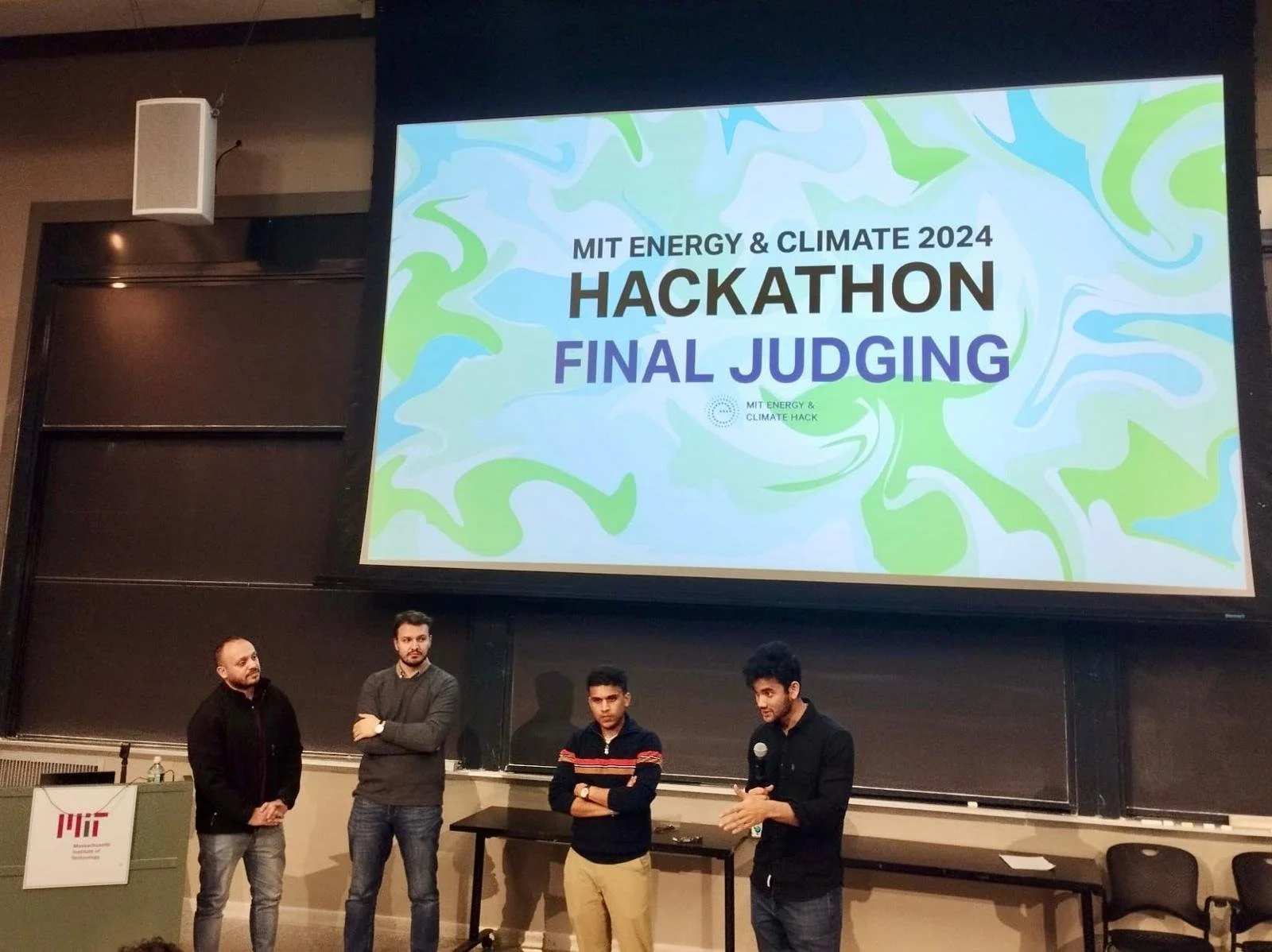
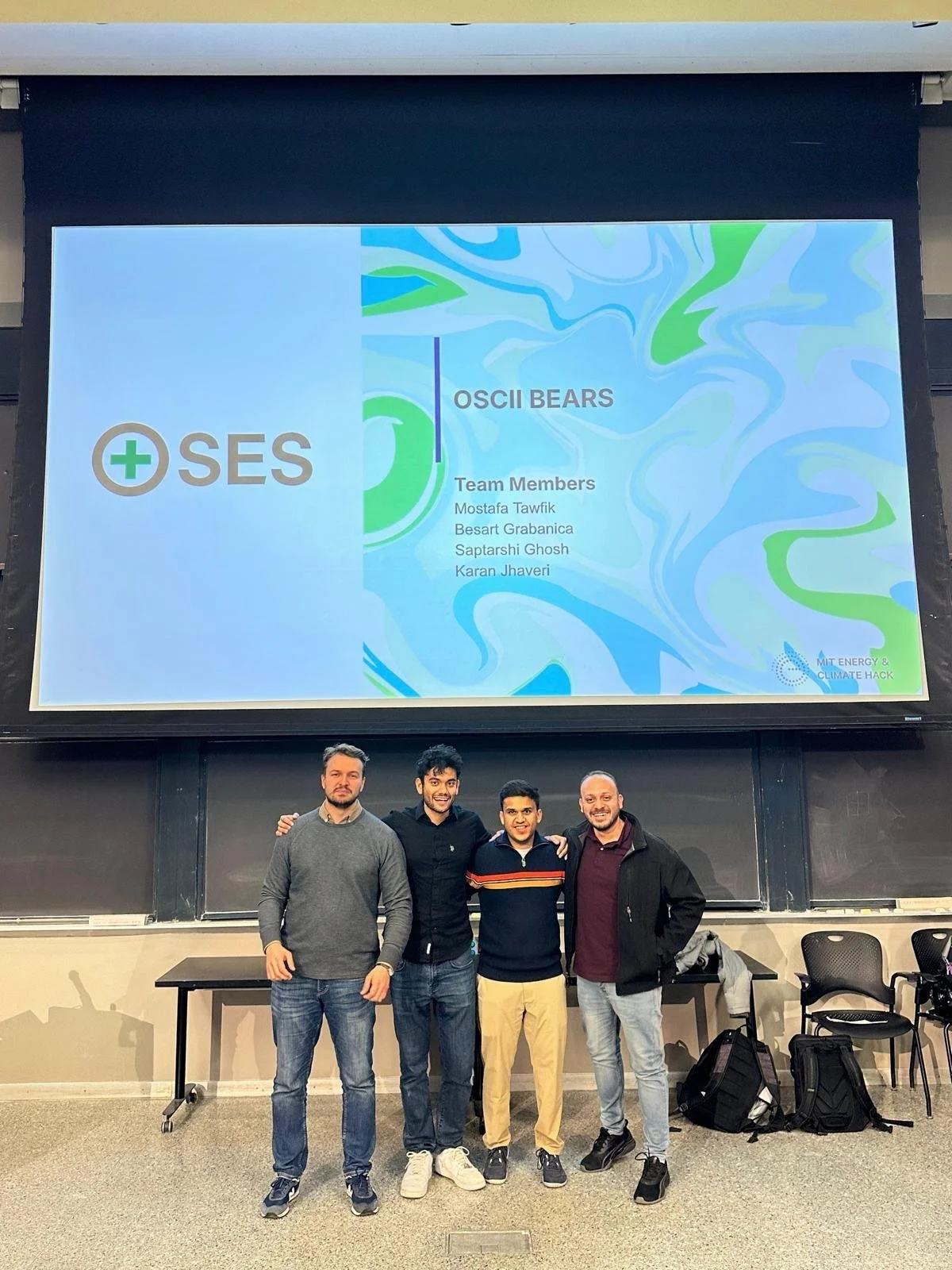
4. How does the Humphrey Program equip professionals with the skills, networks, and experiences needed to advance their careers? The program is deliberately built with several reinforcing layers. At its core are intensive leadership seminars that bring in top professionals from across industry, not only academics, so fellows are learning from people actively making the decisions the coursework describes. Layered on top of that is a steady calendar of conferences and seminars that extend well beyond the home institution, giving fellows regular contact with practitioners and policymakers working on parallel problems in other sectors and countries.
What distinguishes Humphrey from a typical exchange or executive program is that fellows can also opt into graduate-level coursework alongside the leadership track, and depending on the host institution, that coursework can accumulate into a formal graduate certificate. Boston University allows this, so fellows placed there can walk away with a credentialed qualification, not just a leadership seminar series, on top of everything else the fellowship offers. It's this combination of structured leadership training, wide professional exposure, and optional academic depth that makes the program equip people for advancement in a way that few comparable programs do.
5. How do you plan to implement the knowledge gained as a part of the program at your home institution? My goal going forward is to lead teams and initiatives at the intersection of technology, AI, and data science and analytics, wherever that work can create the most value, whether inside a private company or within public institutions. Humphrey gave me the leadership grounding and the technical depth to do that credibly on both sides, rather than being confined to one.
In my current role, I already lead the design and delivery of AI and automation initiatives, from agentic AI systems to ML-driven analytics, and I've built that work around the same principles I sharpened during the fellowship: governance and accountability designed in from the start, not added afterward. But I see this as the beginning of a longer trajectory, not the destination. Kosovo, and the region more broadly, is at a point where the organizations and institutions that build real AI capability, with the leadership to manage it responsibly, will have an outsized advantage. I want to be one of the people leading that shift, moving between private-sector execution and public-sector impact as opportunities allow, and Humphrey gave me the combination of skills to do exactly that.
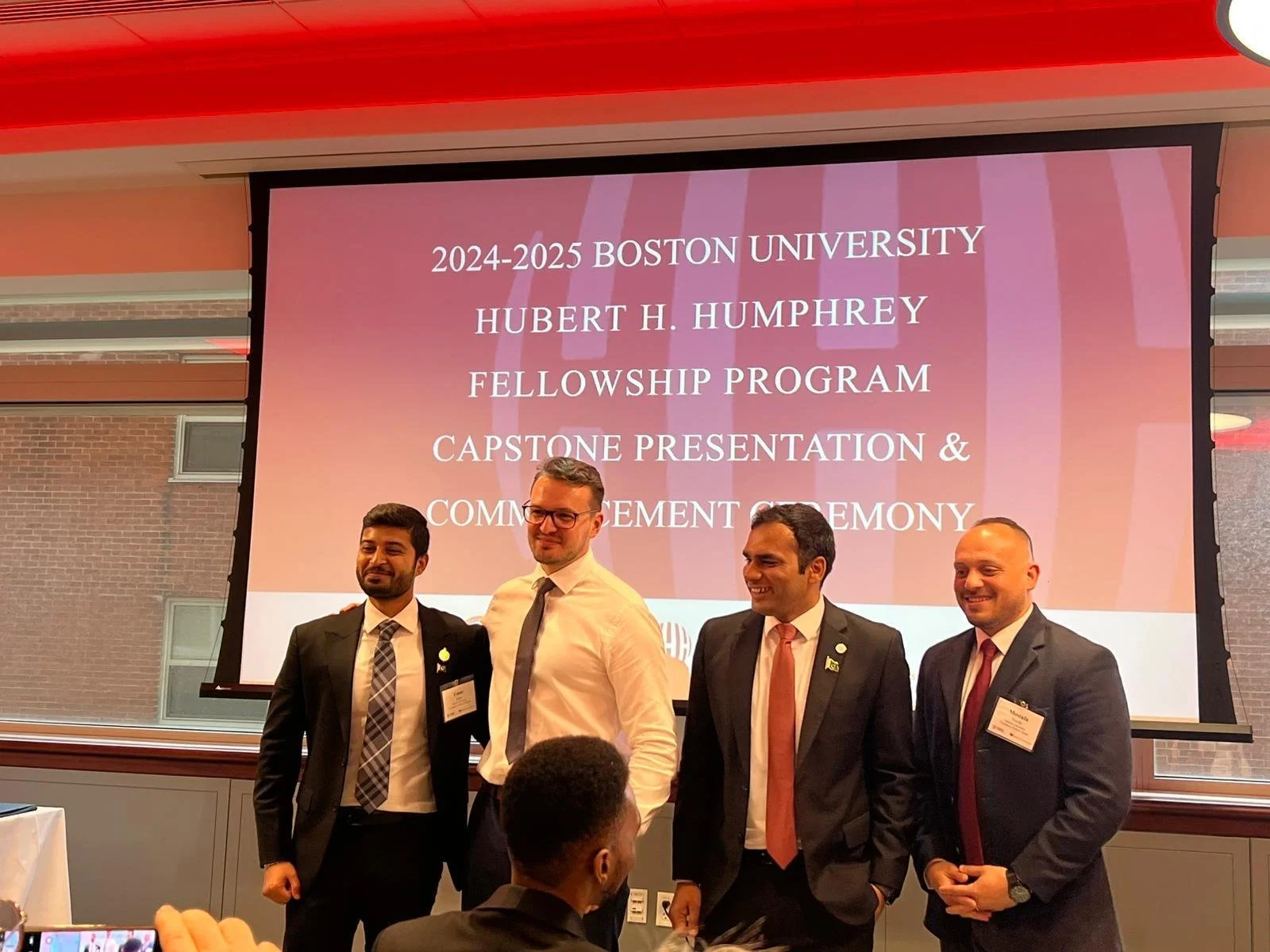
6. How was the application process for you, and what tips do you have for the prospective candidates? The process was long and demanded a level of detail I hadn't fully anticipated. Some of it required real digging on my end, for instance, providing exact dates for past entries into the United States, which meant going back through old records rather than relying on memory. It wasn't a quick application by any measure. That said, for a program of this caliber, backed by the US government and this rigorous in its selection, that level of thoroughness felt appropriate rather than excessive. If anything, it was a fair first test of whether you're prepared to be precise and patient with the rest of the fellowship process.
My advice for prospective candidates: start early, and start gathering your documentation, track down exact dates, records, and details you think you might need well in advance, so you're not scrambling for them close to the deadline. The same applies to your recommendation letters. Choose your recommenders thoughtfully, people who know your work well and can speak to it specifically, and approach them early. They have their own schedules and commitments, and if you leave this until the end, you risk not getting your letters in on time, no matter how willing they are to help. Treat the thoroughness of the process as a signal of what the program expects, not an obstacle, and give yourself enough time to meet it properly.
7. What was the biggest culture shock you experienced in the U.S.? The biggest culture shock was how open and genuinely willing to help people were, often with someone they barely knew. I saw people go out of their way for me, sometimes to the point of welcoming me into their homes or their circle, simply because they liked me and trusted me. That kind of openness toward a relative stranger isn't something I've encountered in my own culture, where trust and that level of hospitality are usually built slowly, over years, not extended within weeks of meeting someone. It genuinely changed how I think about generosity and what it means to help someone with no expectation of anything in return.
8. What was your favorite place you have visited while participating in the Humphrey program so far? If I had to choose one city, it would be San Antonio, Texas. It holds a special place for me since it's where I proposed to my partner, who had been incredibly supportive throughout the entire process leading up to that moment. The River Walk made the perfect backdrop, it's genuinely one of the most beautiful places I visited in Texas, and it's hard to separate the place from what happened there.
Closer to home, in Boston itself, the Boston Public Library stood out for me. There's something about its classical appeal, the architecture, the reading rooms, the sense of history built into the space, that made it one of my favorite spots to spend time in throughout the fellowship.
9. What is your favorite American dish/food? If I had to name one true American dish, it would be BBQ ribs. Interestingly, the dish I ended up loving most during my time in the US wasn't American at all. I first fell in love with pho back in Paris in 2016, and Boston's food scene, remarkably diverse in its own right, gave me plenty of chances to keep that love alive.