
Fulbright Visiting Scholar Program Spotlight: Afrim Hoti
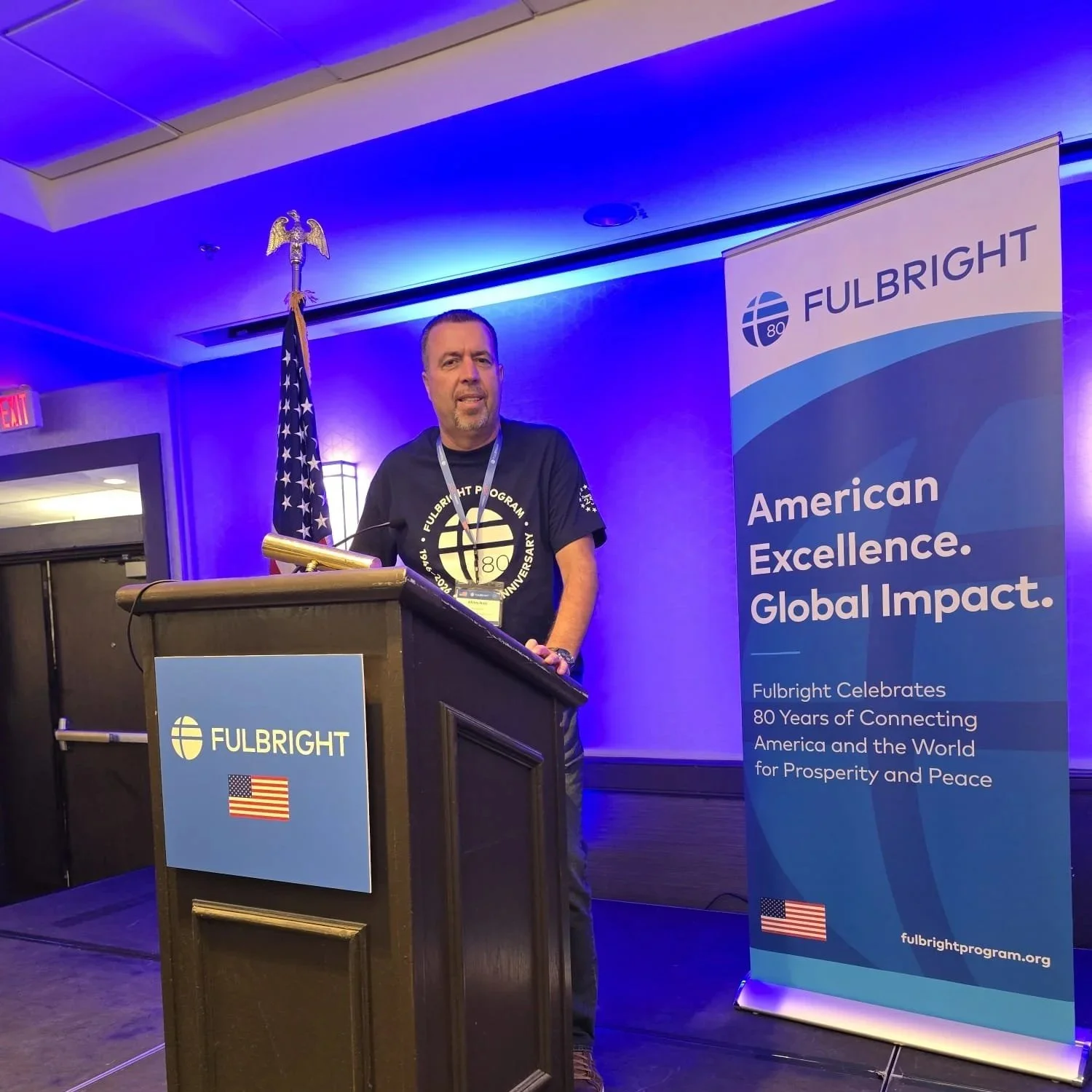
Seeking admission to a prestigious program like Fulbright Visiting Scholar requires a lot of preparation. To help you better understand the program and what it offers, we bring an insider’s perspective on the Fulbright Journey.
We are continuing our Spotlight series with Afrim Hoti, a 2025/26 Fulbright Visiting Scholar and Professor at the Department of Political Science at the University of Prishtina. During his Fulbright year at the University of Alabama at Birmingham, he combined teaching and research with active engagement in academic and professional activities. Through his experience, including an Outreach Lecturing Fund grant at Salt Lake Community College, he expanded his professional network, strengthened international collaborations, and gained new perspectives on teaching, research, and higher education. His reflections highlight the academic, professional, and cultural impact of the Fulbright Program.
For information on upcoming application cycles, please visit our website and the U.S. Embassy in Kosovo website (usembassy.gov). This is a joint program of the U.S. Department of State and the Government of Kosovo.
1. What is your educational and professional background? Well, I am a full time professor at the Department of Political Science – University of Prishtina.
2. Why did you choose to apply for the Fulbright Program? After completing my scientific and academic studies and gaining extensive academic experience both in and outside Kosovo, I wanted to pursue a new challenge. When considering opportunities for international experience, the Fulbright Program naturally stood out as the premier choice. Motivated by its reputation for academic excellence and cross-cultural exchange, I decided to apply and was honored to be selected for one of the world's most prestigious scholarship programs. Through the Fulbright Program, I sought to deepen my academic expertise, strengthen my professional skills, and build lasting relationships with American scholars, institutions, and communities. This experience has allowed me to foster meaningful collaborations and establish a network that continues to enrich both my personal and professional development.
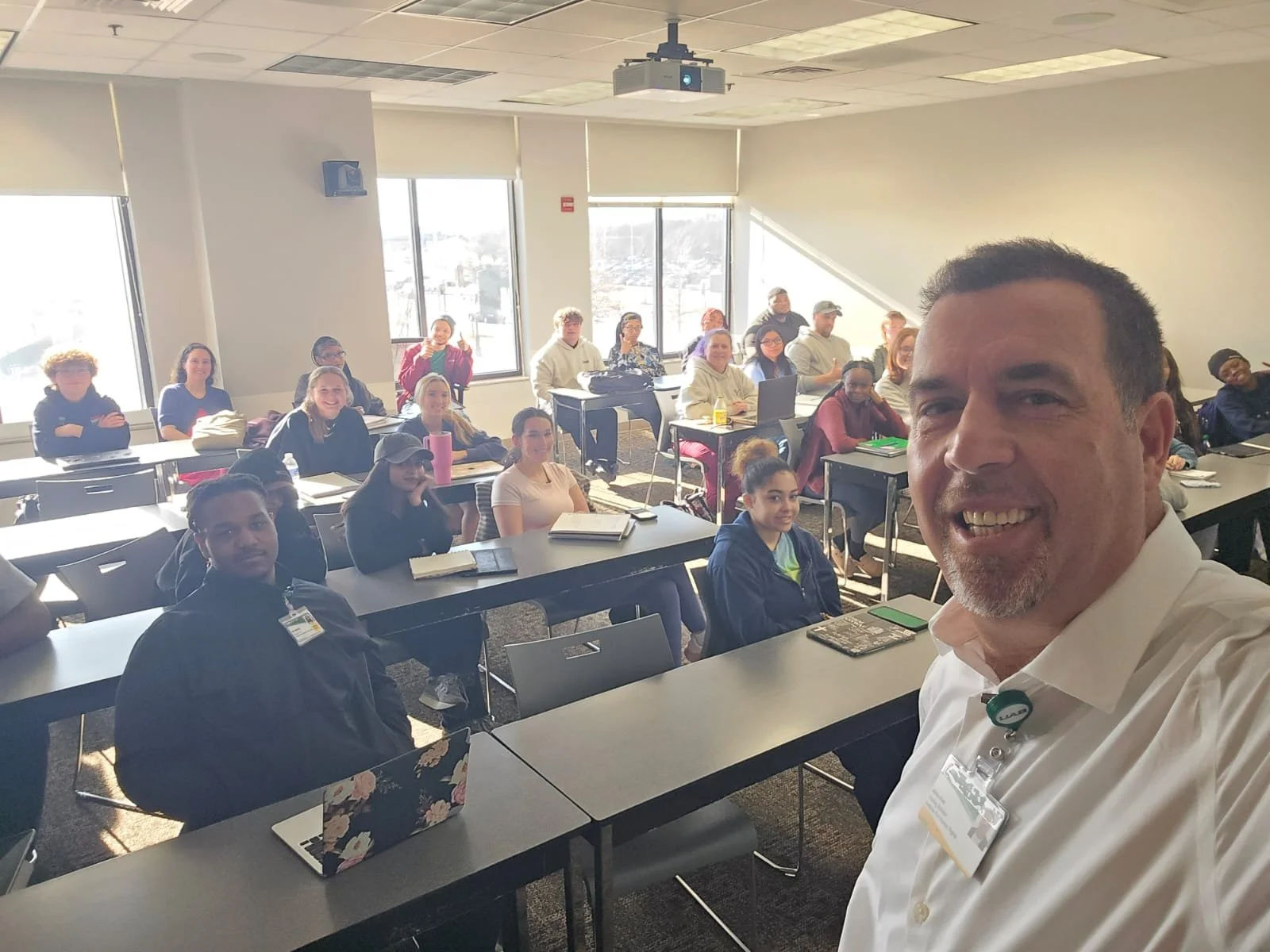
3. Tell us about your experience as a Fulbrighter in the U.S.? A lifechanging experience! The Fulbright Program became one of the most rewarding experiences of my life. Together with my family, I moved to the United States for the longest available Fulbright grant - an entire academic year. Beyond beginning my own academic journey, I also enrolled my children in three different levels of the American education system: my eldest daughter Arrita attended university, my second daughter Tuana enrolled in high school, and my son Unejs attended elementary school. All three successfully completed their academic year in the United States, making the experience truly enriching for our entire family.
At the beginning, adapting to a new university, a new environment, new colleagues and students, and a different culture was challenging. However, with time, everything fell into place, and I gradually felt at home. Communication with my host university and students was open, easy, and highly supportive. Likewise, the schools attended by my children welcomed us warmly and provided excellent support throughout the year. This positive environment allowed me to fully dedicate myself to my research while also enjoying my teaching responsibilities.
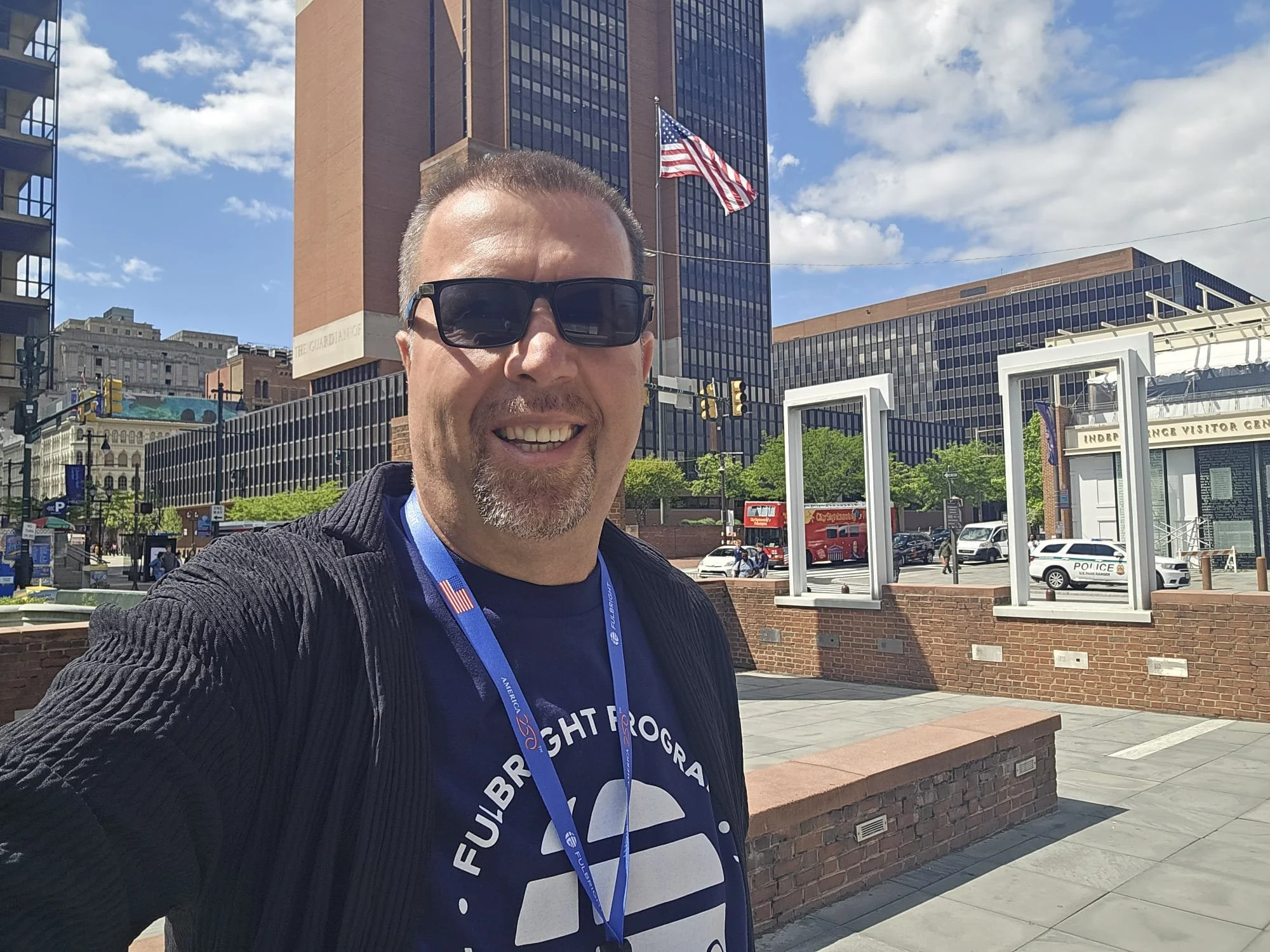
Before my arrival, the faculty had already included my course in the curriculum, students had enrolled, and the class had been formed. This thoughtful preparation enabled me to begin teaching immediately and demonstrated the university's commitment to making my Fulbright experience productive and meaningful.
Research and teaching were only part of my Fulbright experience. Throughout the academic year, I was actively involved in a wide range of seminars, workshops, panel discussions, guest lectures, and public talks. I also participated in numerous academic and professional events both within the university and in the broader community. These opportunities allowed audiences and me to share ideas with scholars from different disciplines, present my work to diverse audiences, and establish valuable professional relationships that will continue well beyond my Fulbright year.
In addition to my primary host institution, the University of Alabama at Birmingham, I was awarded an Outreach Lecturing Fund grant, which enabled me to spend a week at Salt Lake Community College in Salt Lake City, Utah. This second academic experience allowed me to share my expertise with another institution, engage with a new academic community, and further expand my professional network. It was an outstanding opportunity that complemented my Fulbright experience perfectly.
While living in the United States, my family and I also took the opportunity to explore the region. During spring break, we spent a week in the Caribbean, visiting the Dominican Republic. It was another unforgettable experience that allowed us to discover a different culture, enjoy the natural beauty of the island, and create lasting family memories.
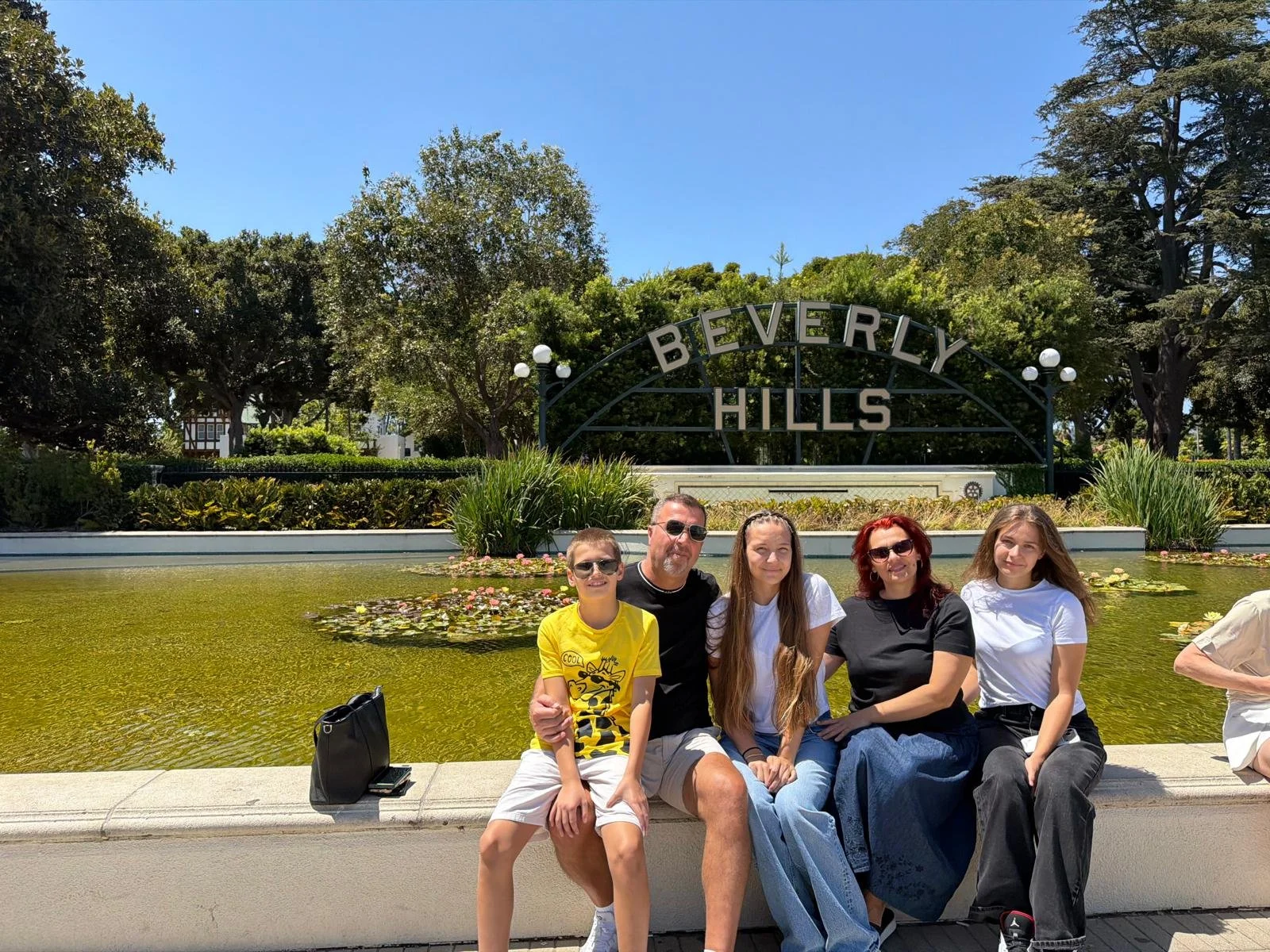
Looking back, my Fulbright year exceeded every expectation. It enriched me academically and professionally, broadened my international perspective, strengthened lifelong friendships and collaboration.
4. What is the most valuable component you have gained from the program?
One of the greatest lessons I learned during my time in the United States was the value of practicality - in both form and function. This, to me, is one of the defining characteristics of the American system. Rather than emphasizing excessive theory, unnecessary procedures, or abstract concepts, the focus is on finding practical solutions and achieving meaningful results.
This approach was evident in every aspect of daily life. In teaching, the emphasis was on engaging students and applying knowledge to real-world situations. In research, the priority was producing outcomes with practical value and societal impact. Even in social and professional interactions, communication was direct, clear, and efficient. People expressed their ideas openly, respected each other's time, and focused on solving problems rather than complicating them.
5. How do you plan to implement the knowledge gained from the program at your home institution? Returning to my home institution, I am aware of the fact that many of the administrative procedures and organizational practices differ significantly from those I experienced in the United States. My Fulbright experience inspired me to advocate for simpler, more efficient, and more functional processes that allow academics and students to focus their time and energy on what matters most - teaching, research, and innovation.
While the research component of higher education follows many universal standards, I believe there is considerable room to strengthen the teaching process by making it more dynamic, engaging, and student-centered. I also hope to encourage a culture of openness, collaboration, and continuous improvement within the academic community. One of my main priorities is to expand international engagement. I intend to promote greater involvement of international scholars and institutions through guest lectures, joint research projects, academic exchanges, and collaborative educational initiatives.
Strengthening internationalization and creating more opportunities for the exchange of ideas, knowledge, and best practices will, I believe, contribute to a more vibrant and globally connected academic environment.
The Fulbright experience did not simply enrich my own academic journey-it also provided me with new perspectives and practical ideas that I am committed to bringing back to my institution. My goal is to contribute to positive change by fostering a more efficient, open, collaborative, and internationally oriented academic culture.
6. How was the application process for you, and what tips do you have for the prospective candidates? The application process was demanding, and I learned an important lesson along the way. My first application was unsuccessful because of several technical mistakes. Although disappointing at the time, it motivated me to prepare more carefully, and my second application was successful. Based on my experience, I would offer two pieces of advice to prospective Fulbright applicants:
Pay close attention to every requirement. Even details that may seem purely technical or of minor importance can determine whether an application moves forward. Read the guidelines carefully, review your application several times, and ensure that every requirement has been fully met.
Plan strategically and realistically. Choose a host institution, research proposal, and academic objectives that are well aligned and feasible. A clear, practical, and well-structured plan strengthens both the application and the overall Fulbright experience.
Once you have prepared a strong application and followed the requirements carefully, trust the process. The Fulbright Program is highly professional, transparent, and well organized. If selected, you will become part of a supportive academic community that provides exceptional opportunities for personal, professional, and cultural growth.
7. What is the biggest culture shock you experienced in the U.S? One of the biggest adjustments for me was adapting to the American way of life, which differed considerably from what I was accustomed to at home. I found it to be more organized, structured, and centered around individual routines and personal schedules. This cultural difference was one of my greatest surprises during the first weeks of my stay.
Living in a medium-sized city also introduced me to a different daily rhythm. I was surprised to find that many coffee shops, restaurants, and other businesses closed as early as 6:00 p.m. Coming from a culture where social life often continues well into the evening, this was quite a shock. At first, it took some time to adjust, but gradually I came to appreciate the different paces of life and the value placed on planning, family time, and work-life balance. Like many aspects of my Fulbright experience, this cultural adjustment became an opportunity to broaden my perspective. By the end of my stay, what initially seemed unfamiliar had become part of my daily routine, helping me better understand and appreciate a different way of living.
8. What is your favorite place you have visited while participating in the Fulbright program? There were so many unforgettable places that it is difficult to choose just a few favorites. During my Fulbright year, I took every opportunity to travel and was fortunate to visit nearly twenty U.S. states. Each destination offered something unique and memorable.
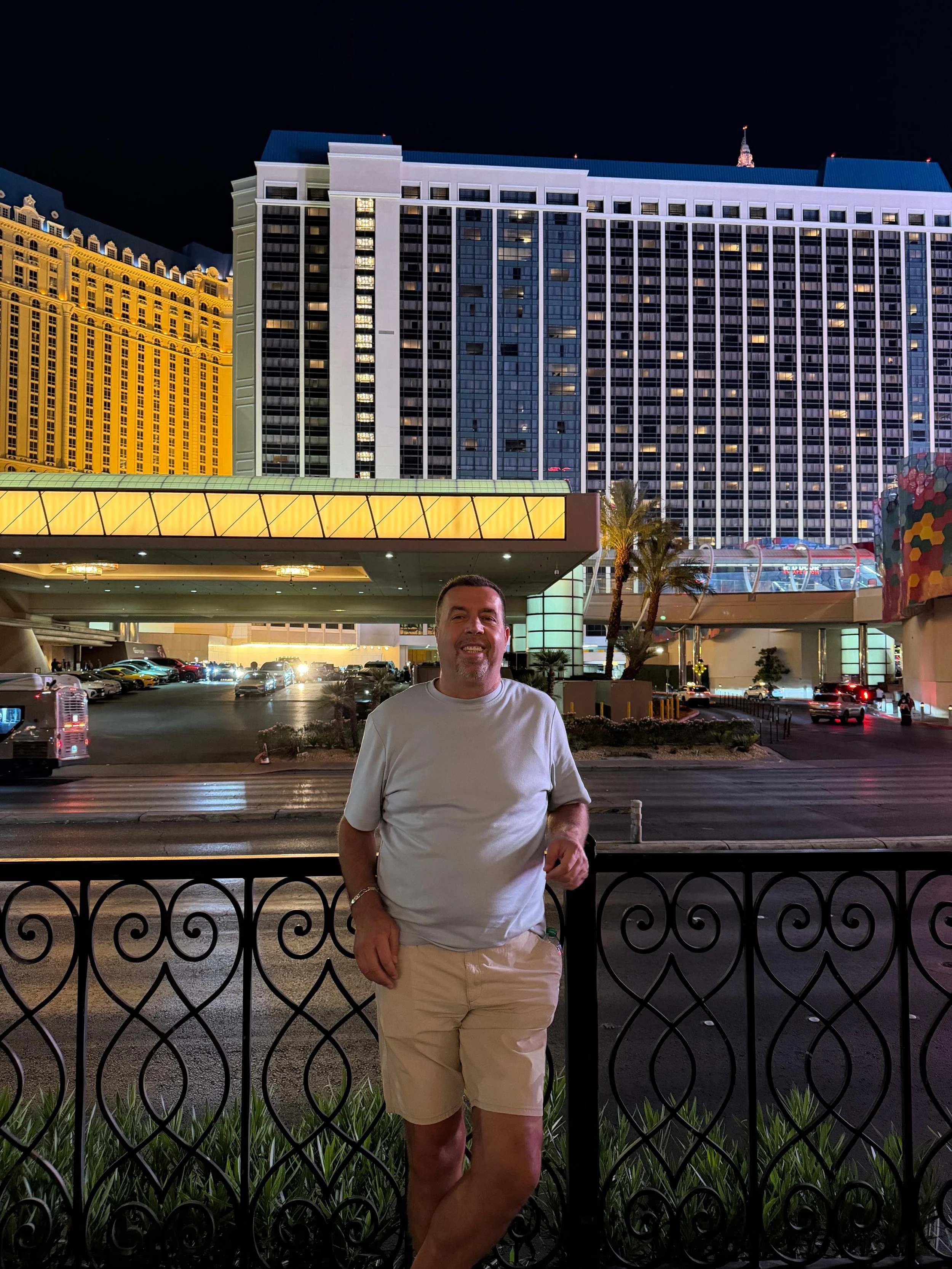
From the energy of New York City and the iconic Statue of Liberty in neighboring New Jersey, to the architectural beauty of Chicago with its striking skyline and riverfront, the historic atmosphere of Philadelphia, and the panoramic views of White House and US Congress buildings with their institutional and political significance of Washington, D.C., as well as the beautiful beaches of Miami and Florida, every journey revealed a different side of America. In the West, I was amazed by the breathtaking landscapes of the Grand Canyon in Arizona, the world-famous attractions of Hollywood in Los Angeles - California, and the vibrant, never-sleeping atmosphere of Las Vegas, Nevada. Equally unforgettable was exploring the vast desert landscapes that stretch across Arizona, Utah, Nevada, and California. The dramatic scenery, endless horizons, colorful rock formations, and spectacular national parks made this region one of the highlights of my travels. Each place had its own character, history, and cultural identity.
One of the most fascinating aspects of these travels was seeing firsthand how each region of the United States offers its own unique character, shaped by its people, history, geography, and climate. I encountered the continental weather of the Northeast, the warm and humid climate of the Southeast, and the intense dry heat of the Southwest.
These journeys complemented my academic experience by giving me a deeper appreciation of the United States beyond the university campus. They created memories that my family and I will cherish for the rest of our lives and made our Fulbright year an unforgettable adventure. Every destination, every landscape, and every encounter added a new dimension to our experience, making our Fulbright year not only an academic achievement but also a remarkable journey of discovery.
9. What is your favorite American dish/food? Chili is iconic, setting itself apart from other American hamburgers.