
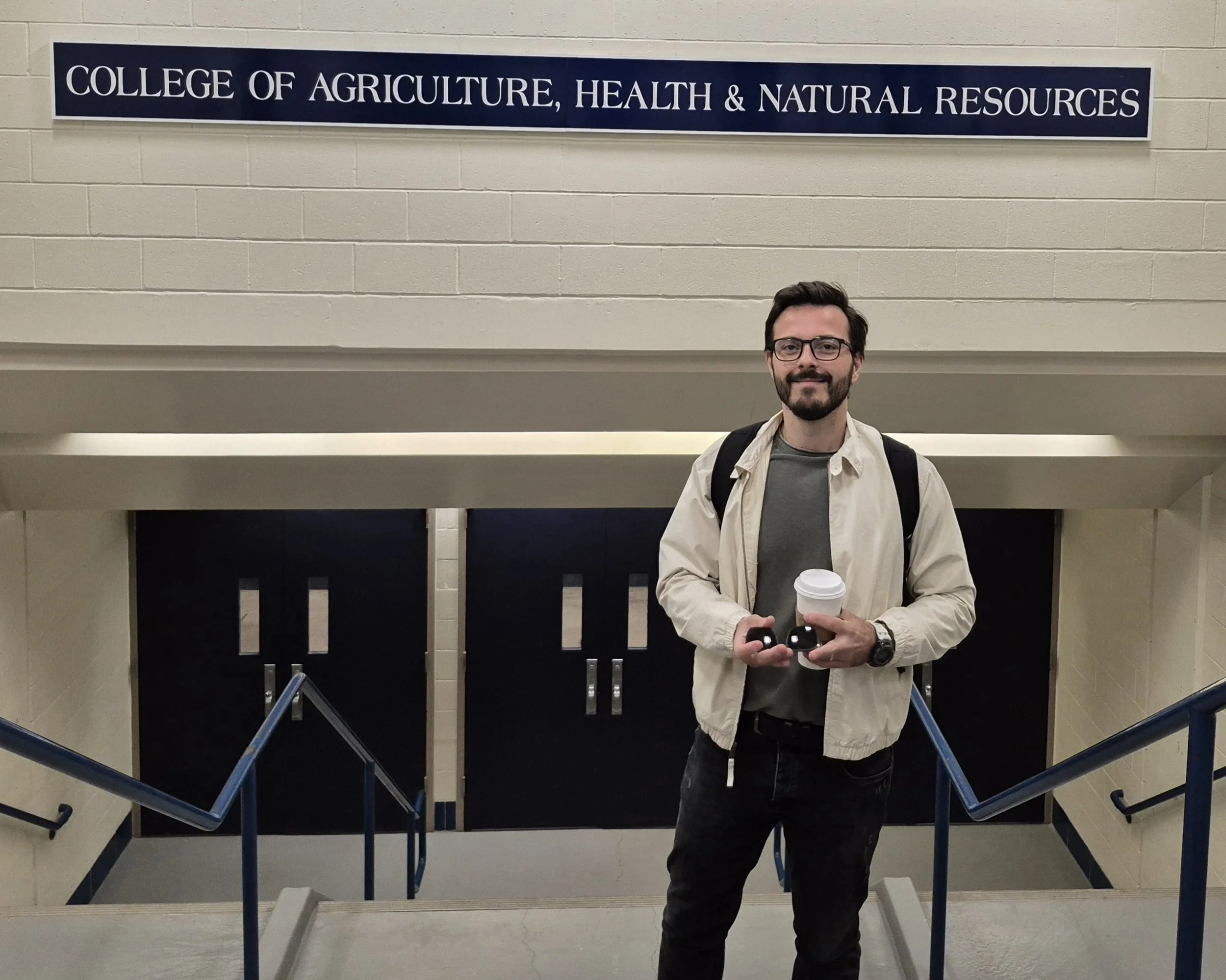
Seeking admission to a prestigious program like Fulbright Visiting Scholar requires a lot of preparation. To help you better understand the program and what it offers, we bring an insider’s perspective on the Fulbright Journey.
We are continuing our Spotlight series with our Fulbright Visiting Scholar grantee, Arben Boshnjaku, Fulbright Visiting Scholar hosted at the University of Connecticut, specializing in gerontology, neuromuscular aging, and exercise physiology. Arben is an Assistant Professor at the Faculty of Medicine, University "Fehmi Agani" in Gjakova, where he leads the innovative “Health Sciences in Sports and Tourism” program. With a PhD in Sport Sciences from the University of Vienna, extensive experience in physiotherapy and aging science, and internationally recognized research on sarcopenia, inflammaging, and muscle quality assessment, Arben has demonstrated strong academic leadership and impactful contributions to advancing health sciences and rehabilitation.
For information on upcoming application cycles, please visit our website and the U.S. Embassy in Kosovo website (usembassy.gov). This is a joint program of the U.S. Department of State and the Government of Kosovo.
1. What is your educational and professional background? My educational and professional background is rooted in allied health sciences, physiotherapy, aging science, sports sciences, and sports medicine. I hold a PhD in Sport Sciences from the University of Vienna, where my doctoral research focused on age-related decline of muscle mass, strength and performance, in association with external (behavioral and socioeconomic) and internal (genetic) factors. Professionally, I serve as an Assistant Professor at the University "Fehmi Agani" in Gjakova (UFAGJ), within the Faculty of Medicine, where I teach and supervise students in medical and healthcare disciplines, while also being the head of a novel and attractive education program called “Health Sciences in Sports and Tourism”.
My research interests are primarily centered on gerontology, specifically focusing on sarcopenia, neuromuscular aging, chronic low-grade inflammation ("inflammaging"), and muscle quantitative assessment techniques. Over the years, I have actively participated in international research collaborations, lead international research groups, authored scientific publications in leading field journals, generated third party funding’s, and worked to bridge the gap between clinical rehabilitation and exercise physiology. At the UFAGJ, I lead the Physiotherapy program for 3 years, before promoting to the position of Vice Rector for Research and Quality Assessment (a position held for almost 1.5 years).
2. Why did you choose to apply for the Fulbright Program? I chose to apply for the Fulbright Program for several reasons, from its unique prestige and credibility it holds within the international academic community, towards the potential to collaborate with some of the worlds leading researchers in the field of my interest.
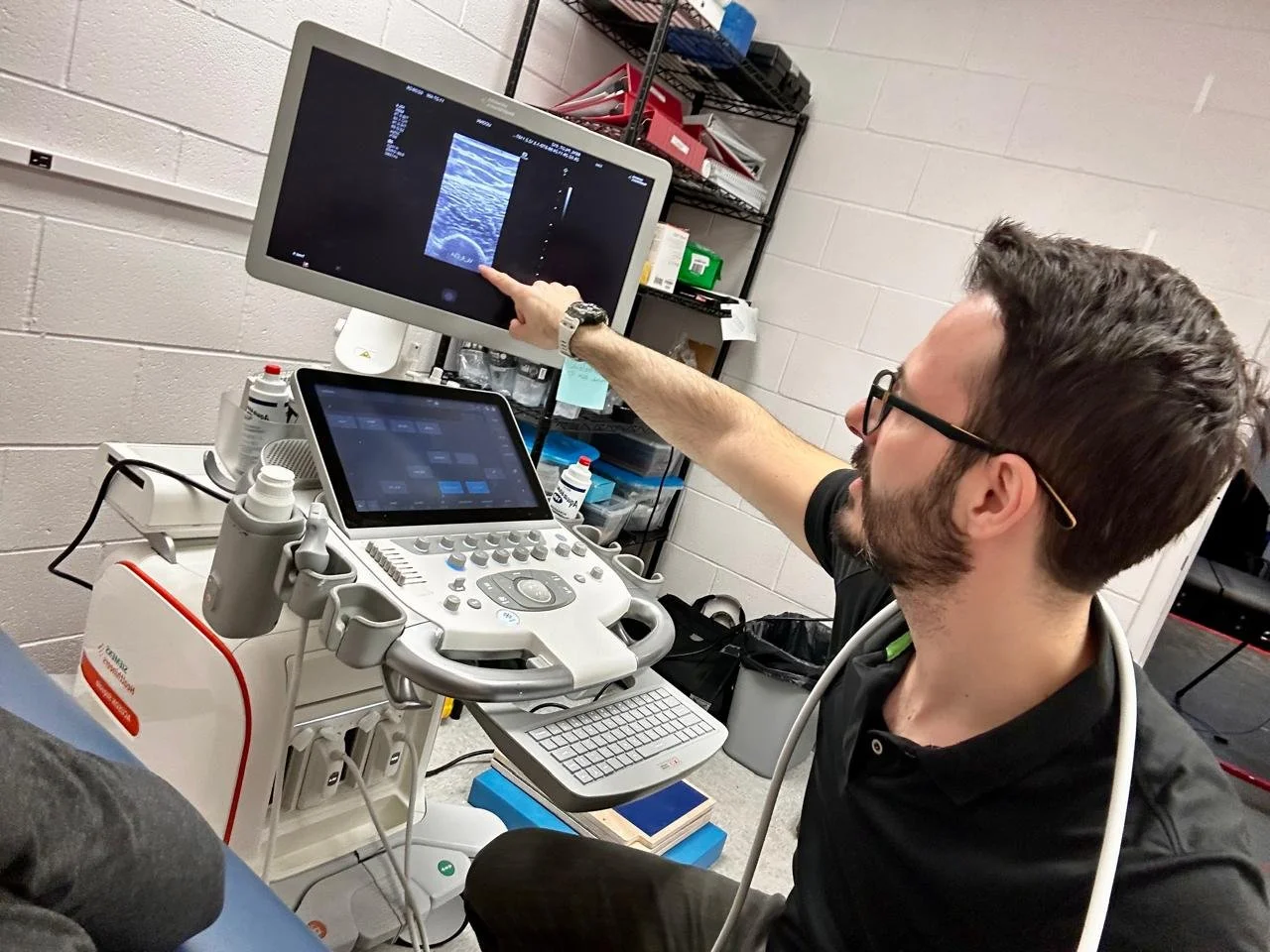
In fact, Fulbright offers unparalleled opportunities for high-level academic collaboration and professional development at world-class institutions. As a researcher dedicated to understanding the aging muscle and aging process in general, my goal was to immerse myself in an environment with cutting-edge laboratory infrastructure and leading expertise in muscle quality assessment. The host offered me the opportunity to learn and get skills on assessing and estimating the progressive decline of age-related muscle quality parameters. The direct connections of my host with the UConn Pepper Center of Aging further established this unprecedented possibility for my academic and professional growth.
The Fulbright mission of fostering cross-cultural understanding and global scientific exchange strongly aligns with my goals. I specifically wanted to expand my research paradigms, learn advanced methodologies, and bring back valuable expertise to Kosovo to elevate our local institutional research capacities and improve health outcomes for our aging population.
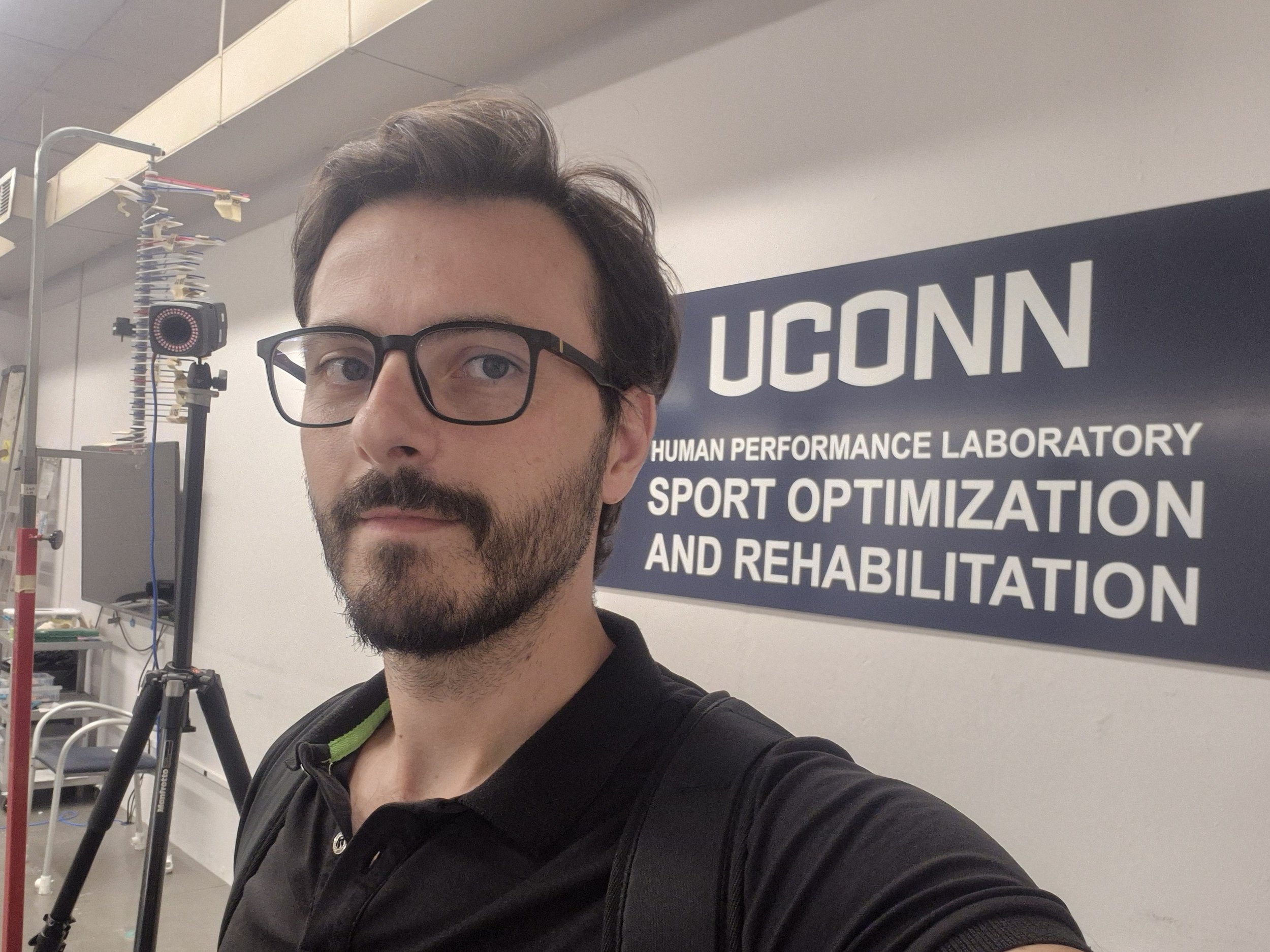
3. Tell us about your experience as a Fulbrighter in the U.S.? My experience as a Fulbright Visiting Scholar at the University of Connecticut (UConn), within the Department of Kinesiology and the Laboratory of Muscle Quality and the Laboratory of Sport Optimization and Rehabilitation, has been extraordinarily enriching. Working alongside leading experts like my host, Dr. Jacob Earp, has allowed me to delve deeply into advanced skeletal muscle architecture imaging and function, with other provided further potentials to explore massive datasets like the UK Biobank to investigate the complex interactions between systemic inflammation and muscle strength.
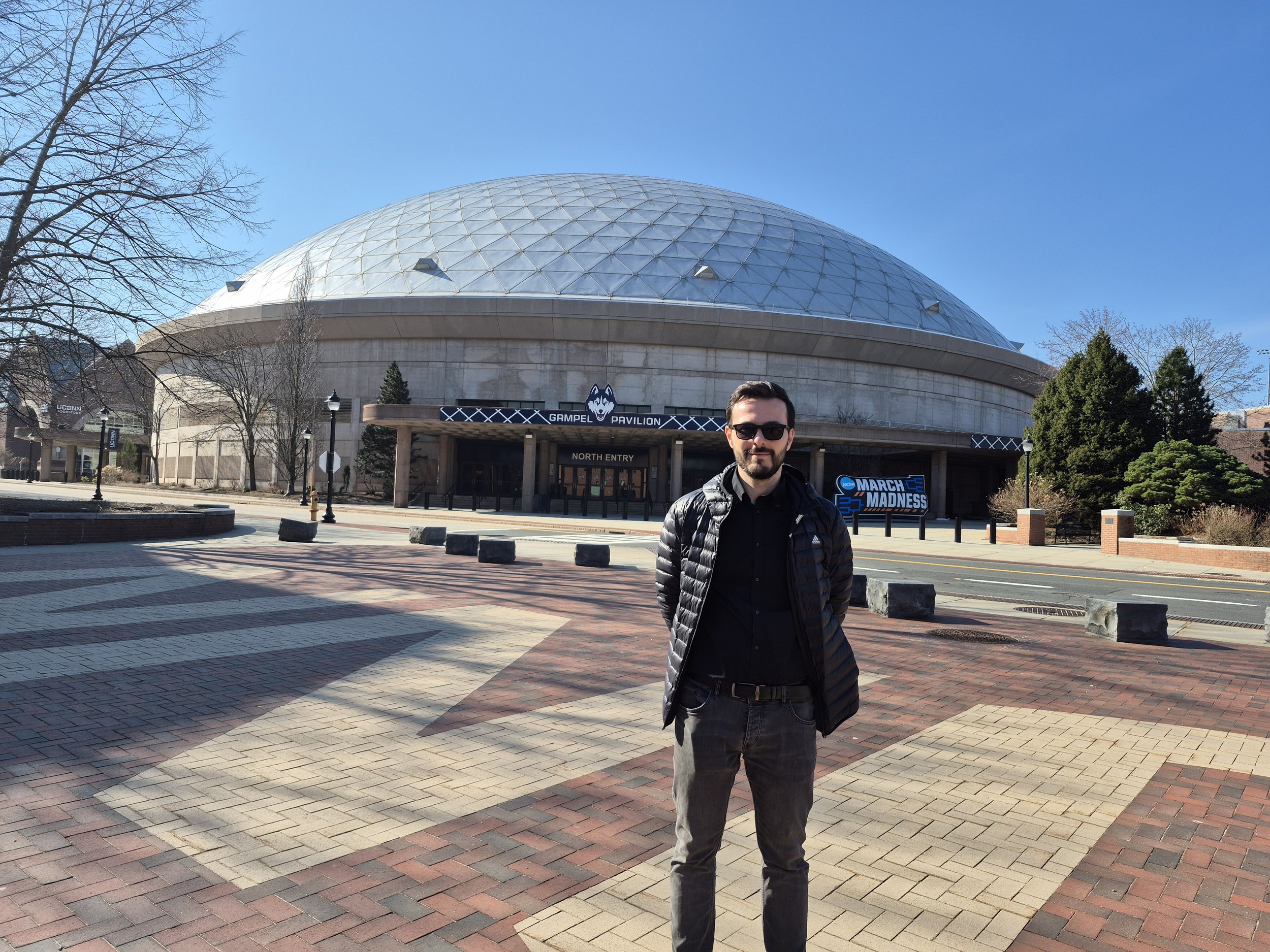
Studies have started, some even completed, whereas future collaborative ideas have already been emerging and trying to take different shapes. The academic environment here is incredibly vibrant, collaborative, and resource-rich. Beyond the lab, living in Connecticut and engaging with the wider university community has offered a profound look into American academic culture, fostering partnerships that I know will last throughout my career.
4. What is the most valuable component you have gained from the program? The most valuable component has probably been the firsthand experience to the American research approach, academic community behavior and the hands-on exposure to advanced methodologies in the field of my interest. Collaborating with top-tier scientists has significantly refined my analytical skills and broadened my methodological perspectives. Equally valuable are the professional networks and unique friendships built here, which create a strong bridge for future international research projects between Kosovo and the United States.
5. How do you plan to implement the knowledge gained from the program at your home institution? Upon returning to my home institution I plan to initially continue the started collaboration and proceed with the next steps (data analysis and manuscript writings), while integrating these advanced research practices, statistical methodologies, and technological approaches into both my lectures and laboratory sessions. Furthermore, I aim to enhance the curriculum and syllabuses of the field I am engaged in by introducing modern frameworks and state-of-the-art concepts. Additionally, I intend to mentor students and junior researchers in utilizing robust, interdisciplinary approaches, thereby fostering a more vibrant, research-oriented academic culture at my home institution.
6. How was the application process for you, and what tips do you have for the prospective candidates? The application process was highly rigorous, competitive, and required a clear, well-articulated vision of my research objectives and their broader societal impact. It forces the applicant to truly refine their academic purposes.
My primary tip for prospective candidates is to start early and be incredibly authentic and precise within their research proposal. They should understand that this is not just a research exchange experience, while encompassing a complex and comprehensive individual cultural enrichment. I would suggest to clearly define why one needs to go to the U.S., why is that specific host institution the perfect fit, and how would the gained knowledge benefit one’s society and home country. Building an early connection (ideally starting from a personal connection) with a potential U.S. host can also significantly strengthen their application.
7. What is the biggest culture shock you experienced in the U.S? Probably the professional freedom given to the students engaged in their early-stage research, while building capacities for gaining individual responsibility, thus allowing them to first handedly learn through an empowering professional environment rather than a restrictive and prohibiting one.
Another culture shock for me was finding out how a packed northeastern US region called New England is home to a very high number of academic hubs and many of the world’s best universities, providing a perpetual competitive environment that nourishes a continual research progress.
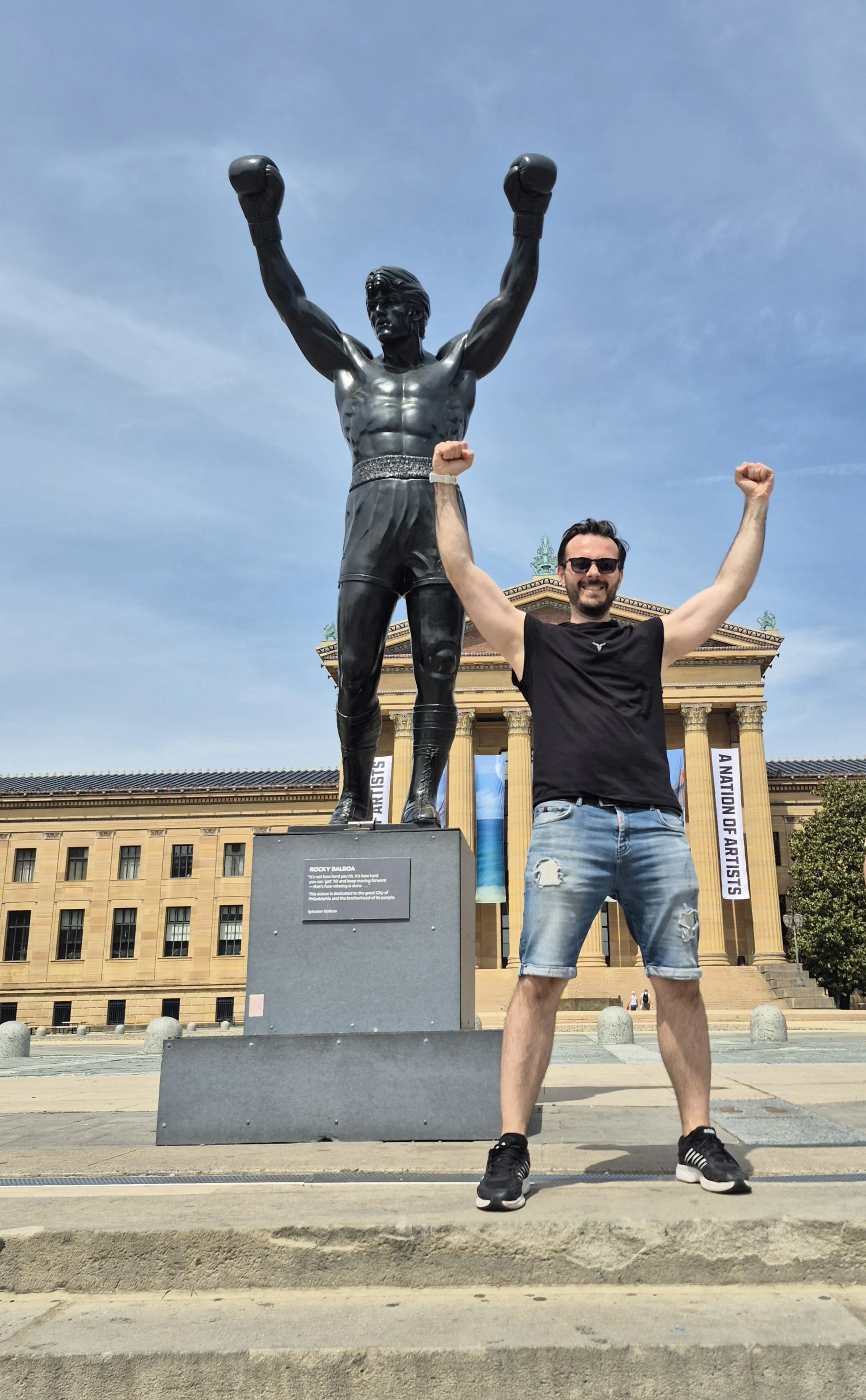
8. What is your favorite place you have visited while participating in the Fulbright program? New England has many beautiful coastal and historic areas, often within the reach of a couple hours’ drive. Some unforgettable places include Boston (particularly Fan S. Noli’s St. George Albanian Orthodox Church), Providence (the “Family Guy” world), and Philadelphia (the famous “Rocky’s Statue”). However, Washington DC was definitely the most unique and unforgettable place that amazed me in the US.
9. What is your favorite American dish/food? “Appizza” at the “Pizza Capital of the United States”.