
Fulbright Visiting Scholar Program Spotlight: Bukurije Hoxha
Seeking admission to a prestigious program like Fulbright Visiting Scholar requires a lot of preparation. To help you better understand the program and what it offers, we bring an insider’s perspective on the Fulbright Journey.
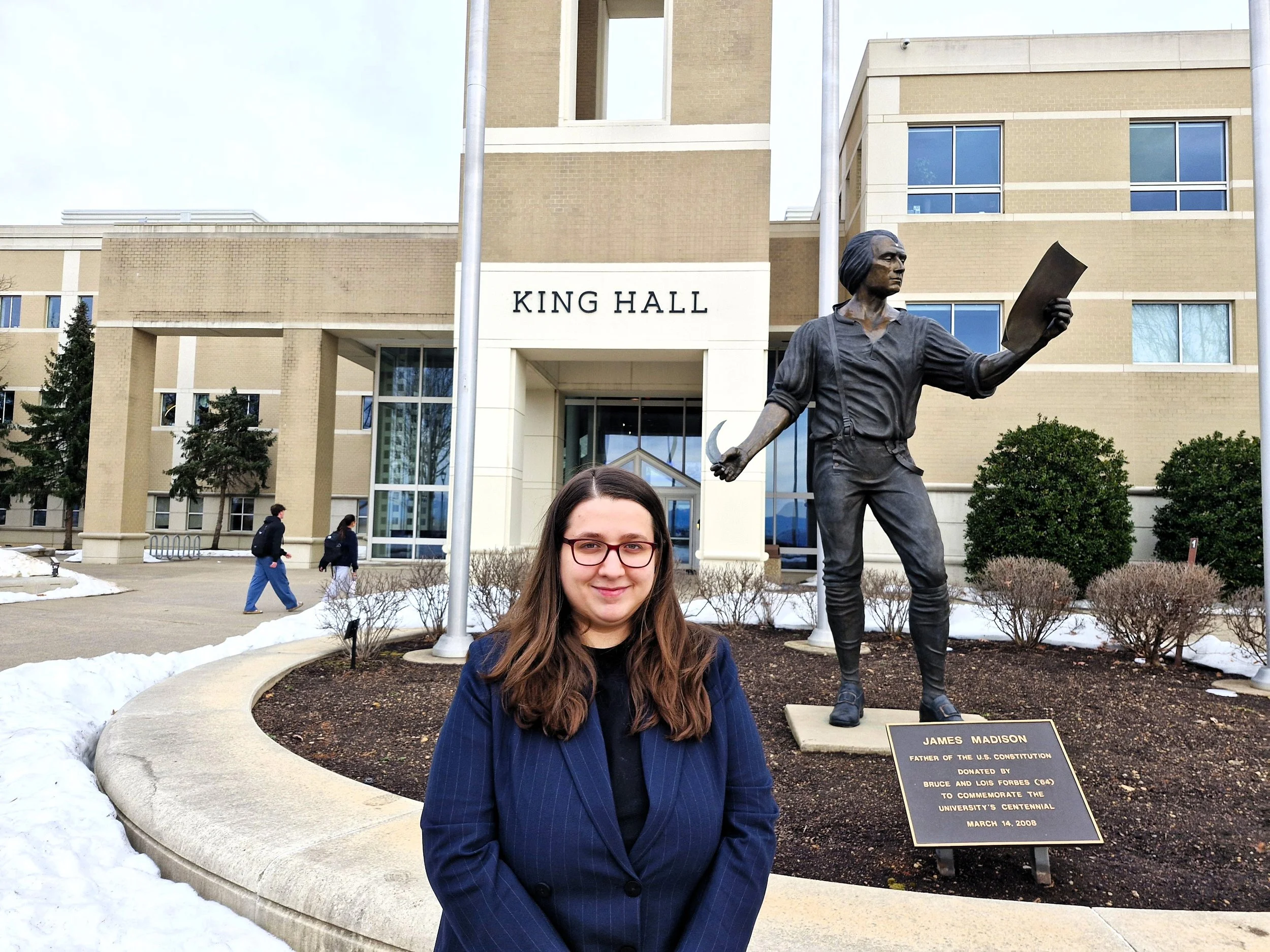
We are continuing our Spotlight series with our Fulbright Visiting Scholar grantee, Bukurije Hoxha, a Fulbright Visiting Scholar hosted at James Madison University, specializing in renewable energy systems and energy efficiency. Bukurie is a Professor of Thermoenergetics and Renewable Energy and Vice Dean for Teaching Affairs, Quality and Student Affairs at the Faculty of Mechanical Engineering, University of Prishtina, with extensive experience in wind and hydropower projects, academic leadership, and internationally recognized research in wind farm flexibility and sustainable energy systems.
For information on upcoming application cycles, please visit our website and the U.S. Embassy in Kosovo website (usembassy.gov). This is a joint program of the U.S. Department of State and the Government of Kosovo.
1. What is your educational and professional background? My educational and professional background is rooted in the field of energy, with a particular focus on renewable energy systems and energy efficiency. I currently hold the position of Vice Dean for Teaching Affairs, Quality and Student Affairs at the Faculty of Mechanical Engineering of University of Prishtina, where I am responsible for overseeing academic programs, curriculum development, and the continuous improvement of teaching quality. In addition, I serve as a Professor in the Department of Thermoenergetics and Renewable Energy.
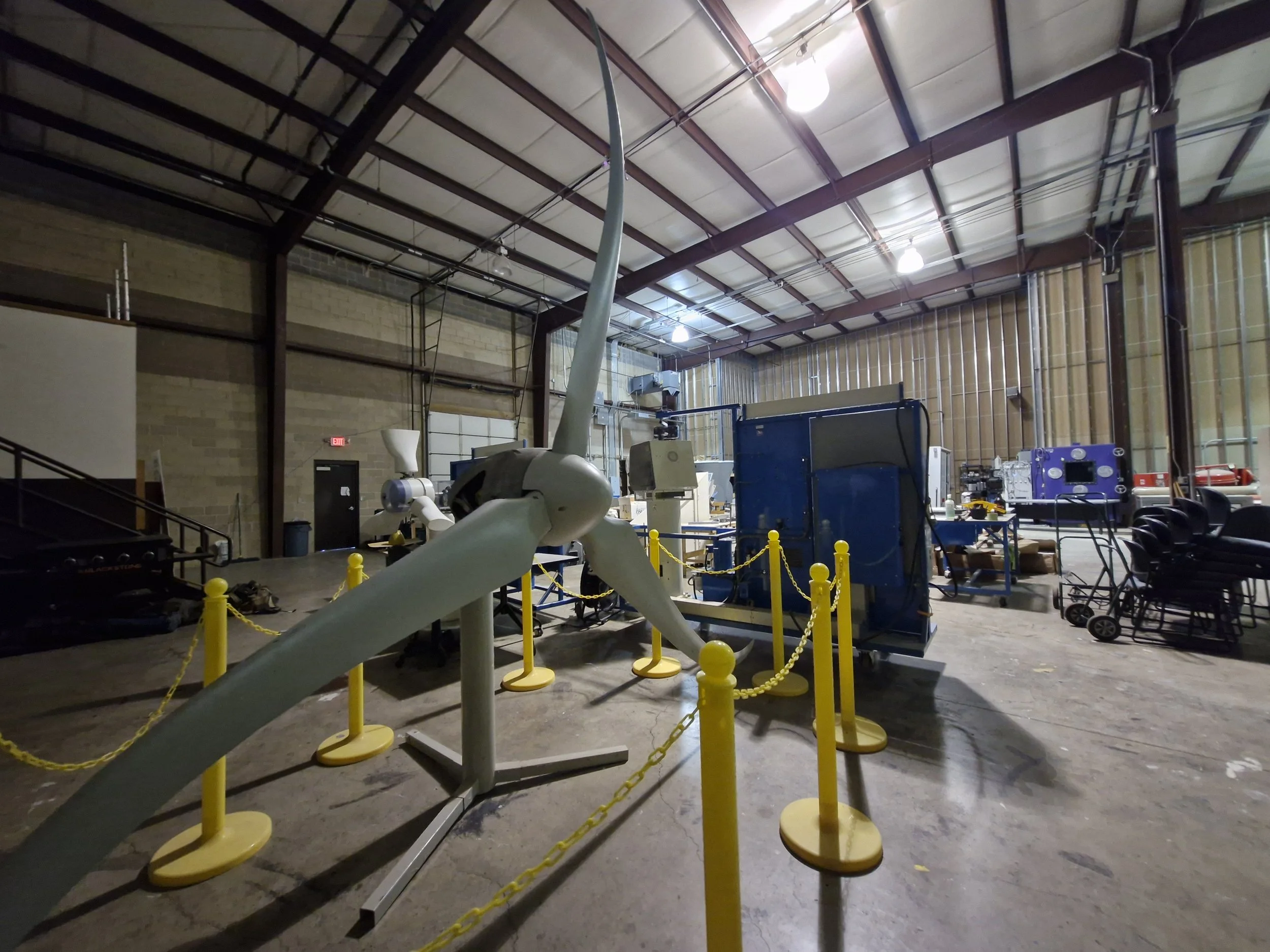
I have completed my Bachelor’s, Master’s, and Doctoral studies in the field of Renewable Energy and Energy Efficiency. This area represents one of the most innovative and rapidly evolving sectors globally, driven by the urgent need for sustainable energy solutions and the transition toward low-carbon energy systems. Throughout my academic and professional career, I have actively participated in first wind and hydropower projects in Kosovo also in international projects. My contributions have been particularly focused on the practical implementation and real-world application of renewable energy technologies, bridging the gap between theoretical research and industry needs. These projects have provided valuable experience in interdisciplinary collaboration, as well as in addressing technical and economic challenges associated with energy systems. My research interests and academic work are primarily centered on the analysis of wind farm flexibility under various operating regimes. This includes investigating their performance, integration into power systems, and adaptability to fluctuating energy demand and supply conditions. A key aspect of my work involves evaluating both the technical reliability and economic sustainability of these systems, ensuring their efficient and stable operation within modern energy markets. I am the author of several scientific publications published in prestigious journals, indexed in Scopus and Web of Science. I have also participated in various conferences in which I have moderated the relevant panels. I am an editor and reviewer in various journals within the scope of energy and energy efficiency.
In recognition of my scientific contributions, I was awarded a prestigious encouragement award for outstanding scientific achievements by the Academy of Sciences and Arts of Kosovo in 2024. In addition to my research and administrative responsibilities, I am actively engaged in teaching and mentoring students at undergraduate and postgraduate levels, contributing to the development of future professionals in the energy sector.
2. Why did you choose to apply for the Fulbright Program? I chose to apply for the Fulbright Program because it represents a unique opportunity to further strengthen my academic and professional development within an international and highly collaborative environment. As a researcher and professor in the field of renewable energy and energy efficiency, I am particularly motivated to engage with leading institutions, exchange knowledge, and gain exposure to advanced research methodologies and innovative practices. The Fulbright Program’s emphasis on academic excellence, cross-cultural exchange, and mutual understanding strongly aligns with my professional values and long-term goals. I am especially interested in expanding my research on wind farm flexibility and sustainable energy systems by collaborating with experts and institutions that are at the forefront of energy transition and technological innovation. Furthermore, I see this program as an opportunity not only to enhance my own expertise, but also to contribute to my home institution and country. By gaining new knowledge, building international partnerships, and sharing best practices, I aim to support the development of more efficient, reliable, and sustainable energy systems in Kosovo. Finally, I am inspired by Fulbright’s mission of fostering global cooperation and understanding. I believe that participating in this program would allow me to serve as both a representative of my country and an active contributor to the global academic community.
3. Tell us about your experience as a Fulbrighter in the U.S.? My Fulbright experience at James Madison University has been both intellectually enriching and profoundly formative. Participation in this academic environment has afforded me exposure to innovative projects and interdisciplinary perspectives that would not have been otherwise accessible. Concurrently, I have contributed to nationally significant wind energy initiatives in Virginia and West Virginia, where I had the opportunity to work at the largest wind farm in the region, with a technically feasible capacity of up to 800 MW. The professional environment has been dynamic and collegial, facilitating the acquisition of new competencies and the application of advanced methodologies. Beyond its academic and professional dimensions, this experience has also been significantly transformative on a personal level.
4. What is the most valuable component you have gained from the program? The most valuable component I have gained from the program is the opportunity to engage in interdisciplinary research within a dynamic and collaborative academic environment. This experience has not only strengthened my technical and analytical skills but has also broadened my intellectual perspective by exposing me to diverse methodologies and approaches. Equally important has been the ability to contribute to impactful, real-world projects, which has enhanced my capacity to apply theoretical knowledge in practical contexts. Overall, the program has significantly advanced both my professional development and personal growth.
5. How do you plan to implement the knowledge gained from the program at your home institution? I plan to implement the knowledge and experience gained from the program by integrating advanced methodologies and interdisciplinary approaches into my work at my home institution since I am a professor. Specifically, I aim to apply the technical skills and research practices I have developed to enhance ongoing projects and contribute to the development of new initiatives, particularly in the field of renewable energy. Additionally, I intend to share my experience with colleagues and students through collaborative work, mentoring, and the incorporation of updated content into teaching and training activities. In this way, I hope to contribute to strengthening institutional capacity and fostering a more innovative and research-oriented academic environment.
6. How was the application process for you, and what tips do you have for the prospective candidates? The application process was thorough and competitive, requiring careful preparation and clear articulation of my academic and professional objectives. It involved multiple stages, including the preparation of supporting documents, securing strong recommendations, and demonstrating alignment between my goals and the program’s mission. While demanding, the process was also valuable in helping me refine my research interests and long-term aspirations. For prospective candidates, I would recommend starting the application process early to allow sufficient time for preparation and revision. It is important to clearly define your goals and ensure that your proposed work aligns with both your home institution’s priorities and the host institution’s expertise. Additionally, securing strong letters of recommendation and presenting a well-structured, coherent personal statement are essential. Attention to detail, clarity of purpose, and authenticity can significantly strengthen an application.
7. What is the biggest culture shock you experienced in the U.S? The most significant culture shock I experienced in the Harrisonburg at James Madison University was the strong emphasis on individual initiative and open communication within both academic and professional settings. I encountered an environment where expressing ideas, engaging in discussions, and questioning assumptions were actively encouraged, regardless of one’s level of seniority. This was initially unfamiliar to me, but I quickly came to appreciate how it fosters innovation, critical thinking, and collaboration. Additionally, I observed differences in daily life, such as the pace of interactions, social norms, and the level of independence in both personal and professional contexts. Over time, adapting to these differences became an important part of my overall growth, enhancing my ability to navigate diverse cultural and professional environments.
8. What is your favorite place you have visited while participating in the Fulbright program? One of my favorite places I visited during my Fulbright program was the Shenandoah National Park, known for its remarkable natural beauty, expansive mountain views, and serene landscapes. In addition, visiting Washington, D.C. was equally memorable, as it offered rich historical, cultural, and political insights through its renowned landmarks and institutions. These experiences provided a valuable opportunity to step away from academic responsibilities while also deepening my appreciation for both the natural environment and the historical and institutional landscape of the United States.
9. What is your favorite American dish/food? My favorite American dish is the cheeseburger. I really enjoyed it during my time in the United States, as it was consistently delicious and easy to find. It’s a great example of American food culture and left a very positive impression on me.