
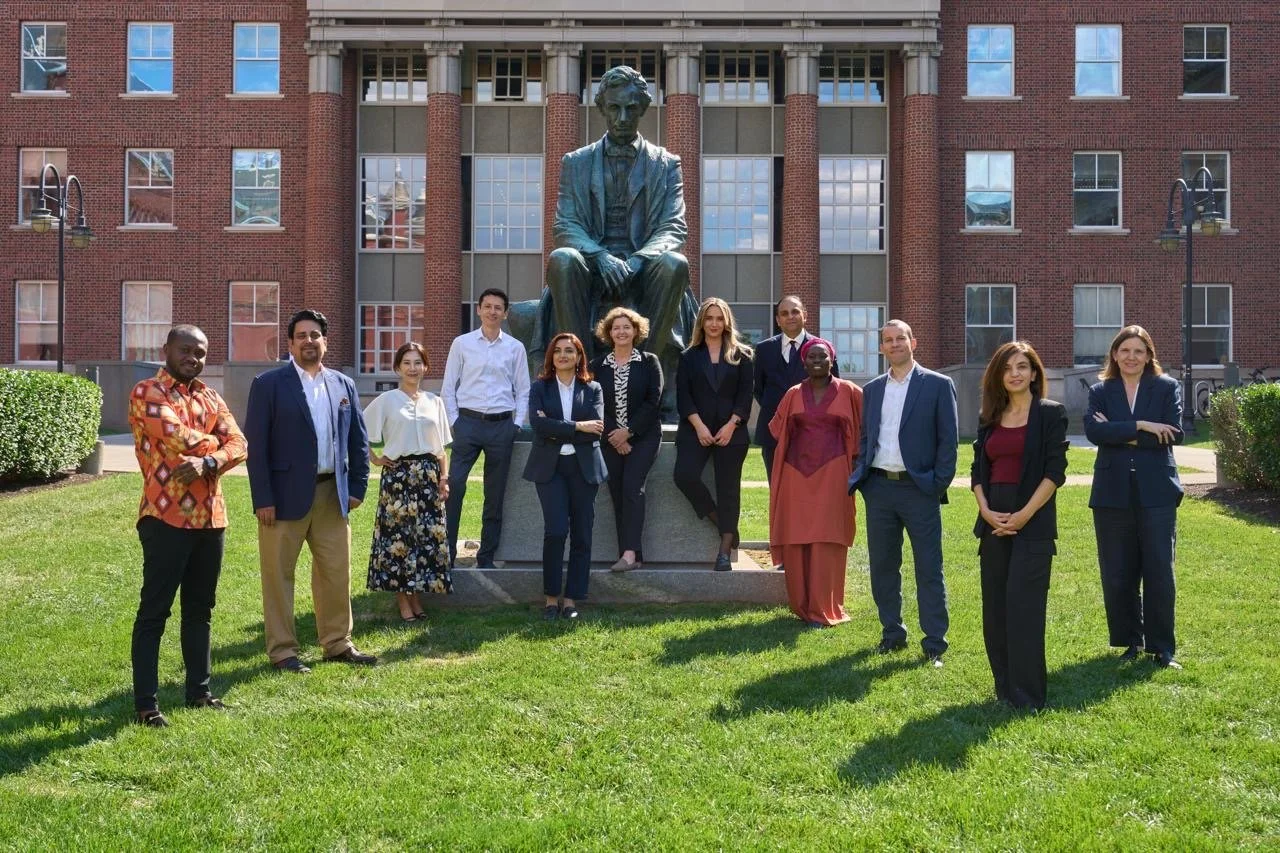
Applying for a program like Hubert H. Humphrey Fellowship can be a nerve-wracking experience. We decided to catch up with our fellow to ease your mind and provide you with an insider’s look into the Humphrey experience. We asked them to reflect on their experience and answer our insightful questions.
We are continuing our series of questions with our 2025-2026 Humphrey Fellow Meliza Qorraj, who was placed at Syracuse University - the Maxwell School of Citizenship and Public Affairs.
To learn more about Hubert H. Humphrey Program, visit: https://xk.usembassy.gov/the-hubert-h-humphrey-fellowship-program/
1. What is your educational and professional background? I’m trained as a lawyer, with a focus on public international law and I’ve spent the past few years working in government in Kosovo. Most recently, I’ve been leading work on international agreements and legal coordination, which basically means a mix of drafting, negotiating and making sure things don’t get stuck between institutions. My work sits somewhere between law, policy and diplomacy, so a lot of the time I’m translating legal frameworks into something that works in practice. It’s given me a direct view of how states function beyond what you learn in theory.
2. Why was the Humphrey Program the right fit for your professional goals at this stage of your career? At this point in my career, I wasn’t looking for another degree, I needed perspective. The Humphrey Program offered exactly that space to step back from daily institutional pressures and think more strategically. It also came at a moment where I’m transitioning into more senior roles, so being exposed to different systems and approaches felt less like a luxury and more like a necessity. It’s been less about “learning something new” and more about sharpening how I already think.
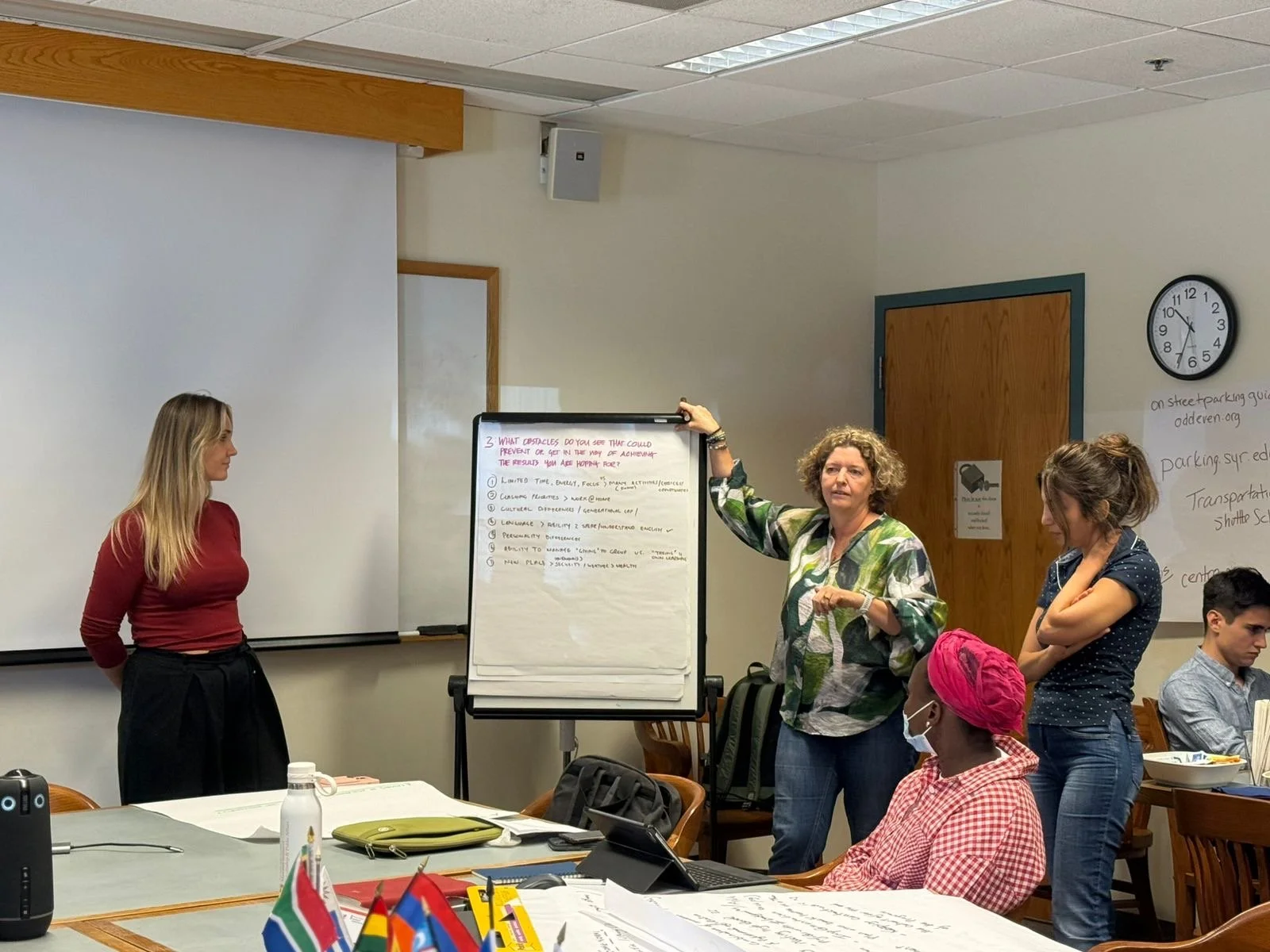
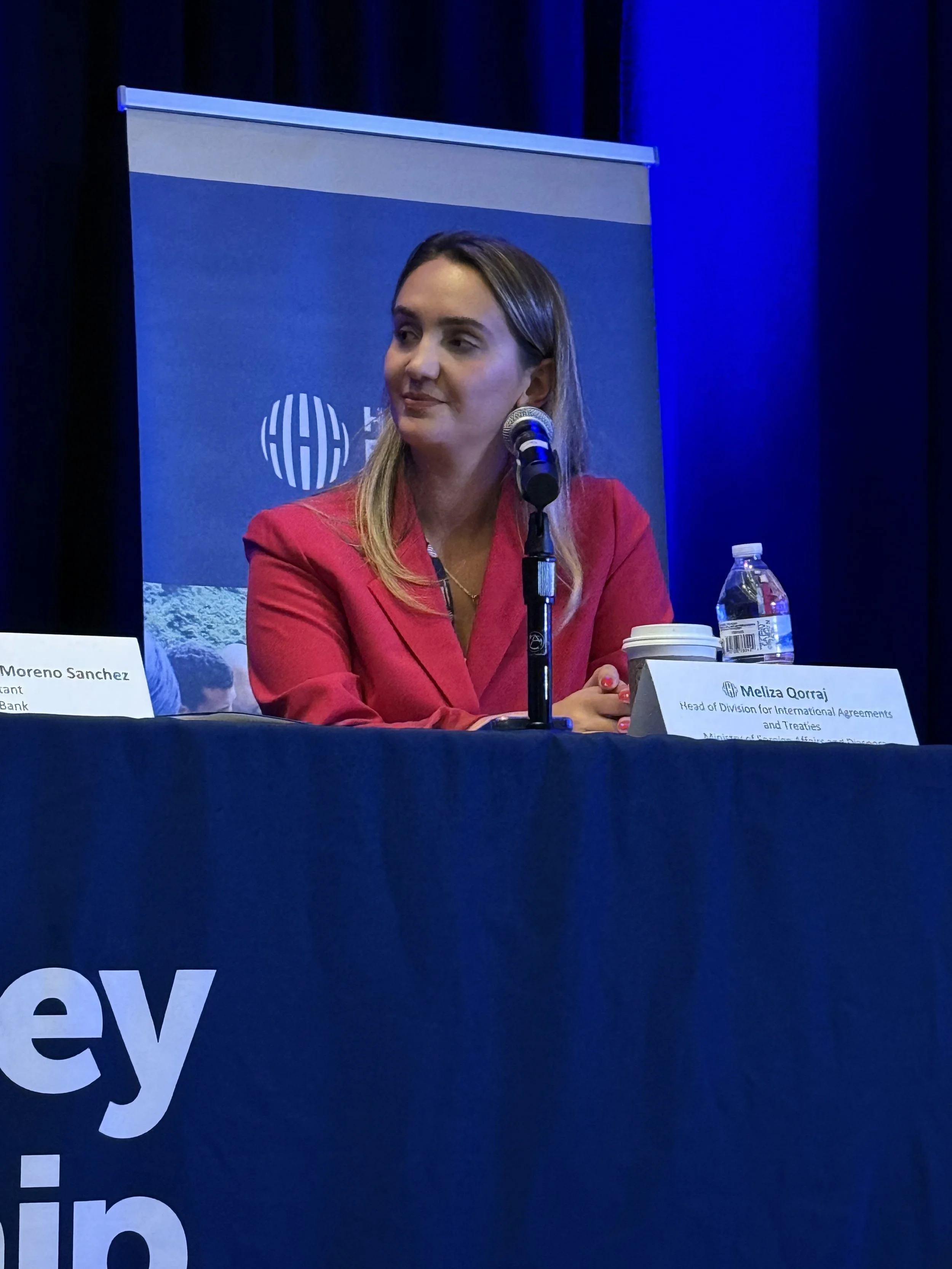
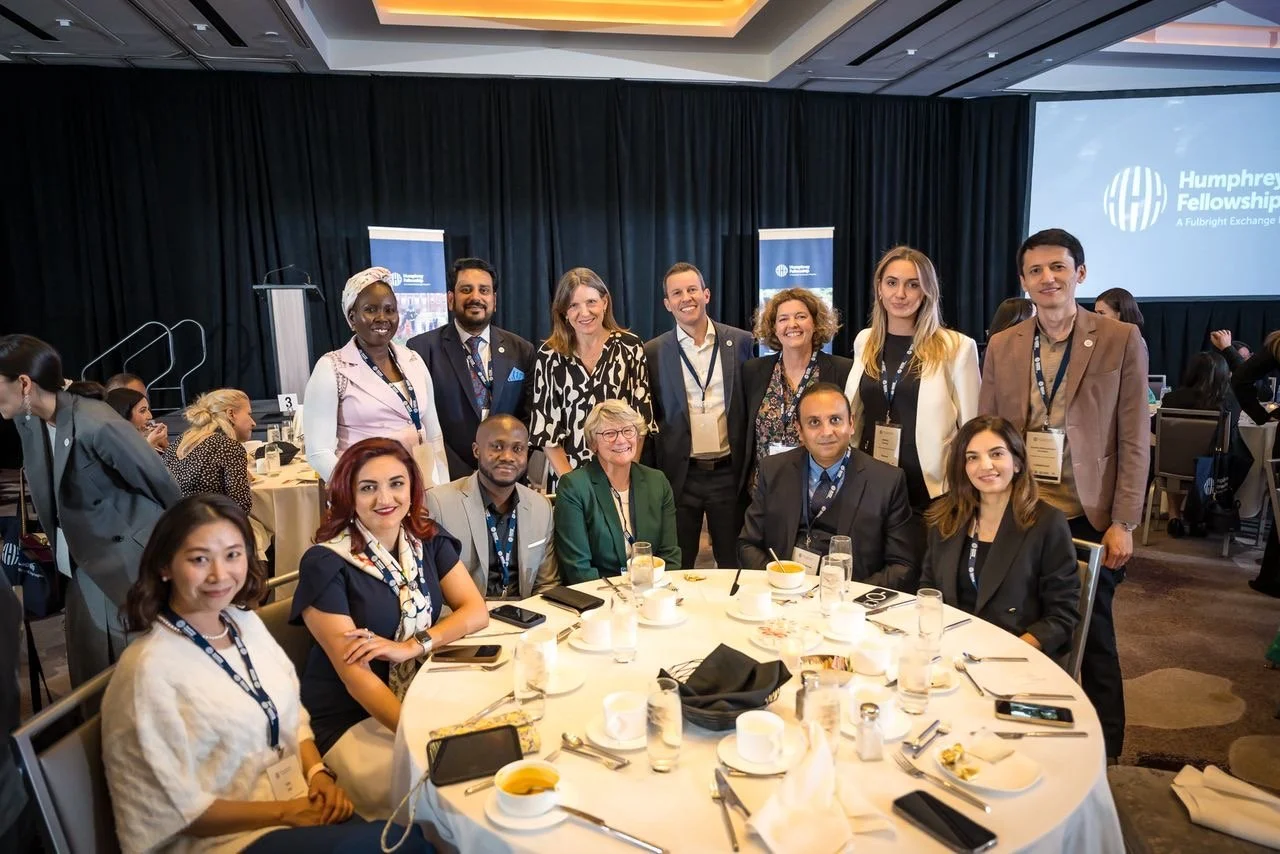
3. What is the most valuable component you have gained from the program so far?The people, without question, but not in the cliché way. Being surrounded by mid-career professionals who are dealing with similar challenges in completely different contexts forces you to rethink your own assumptions. There’s a level of honesty in those conversations that you don’t always get in formal settings. It’s made me more reflective, but also more precise in how I approach problems.
4. How does the Humphrey Program equip professionals with the skills, networks, and experiences needed to advance their careers? What stood out to me is that the program does not attempt to structure every aspect of your learning. Instead, it creates both the space and the expectation for you to engage actively and shape your own experience. Some of the most valuable insights come from discussions and interactions that take place outside formal settings. This makes the learning more personal, but also more enduring. The relationships that develop reflect this as well; they are built on shared experience rather than formal or transactional exchanges.
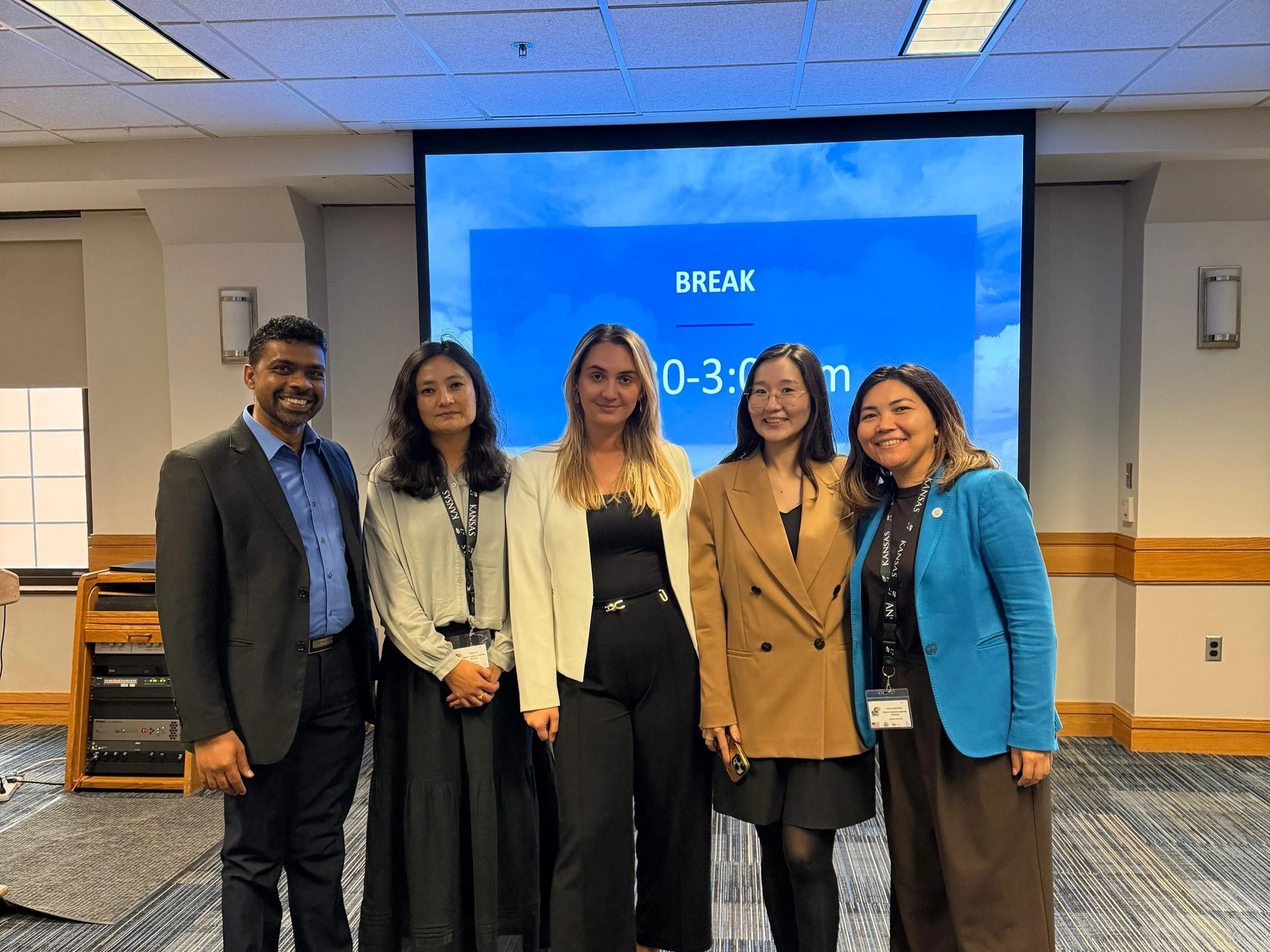
5. How do you plan to implement the knowledge gained as a part of the program at your home institution? What I’m taking back from the Humphrey Program is a more structured way of thinking through decisions and I plan to apply that in my work. In practice, that means being clearer at the start, what we’re trying to achieve, what the constraints are and where the trade-offs sit before moving forward. I see this as a change in approach rather than substance. I will be more deliberate in setting priorities, clearer in how decisions are structured and more consistent in how work is followed through. It’s about bringing more focus and direction to processes that can otherwise become fragmented.
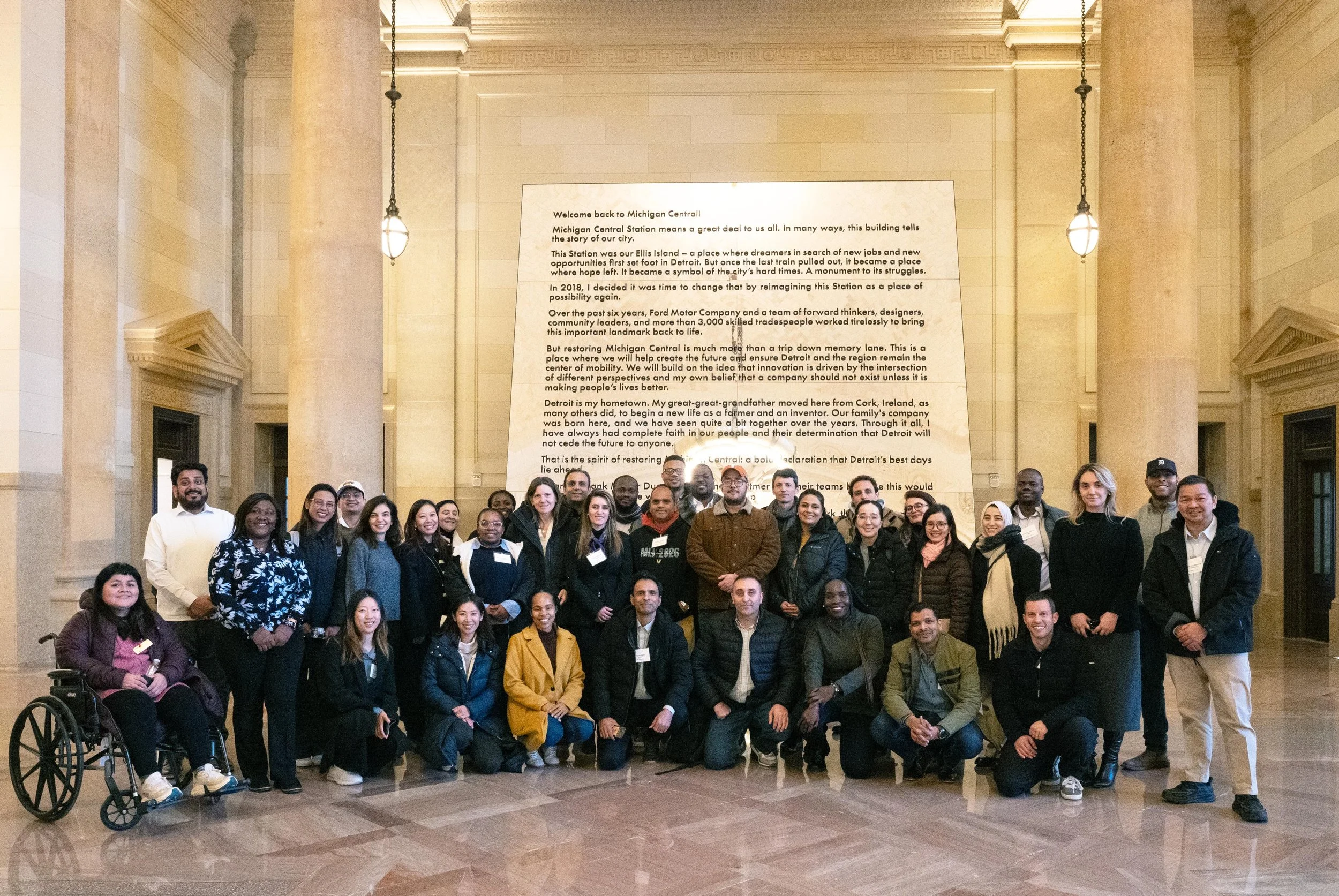
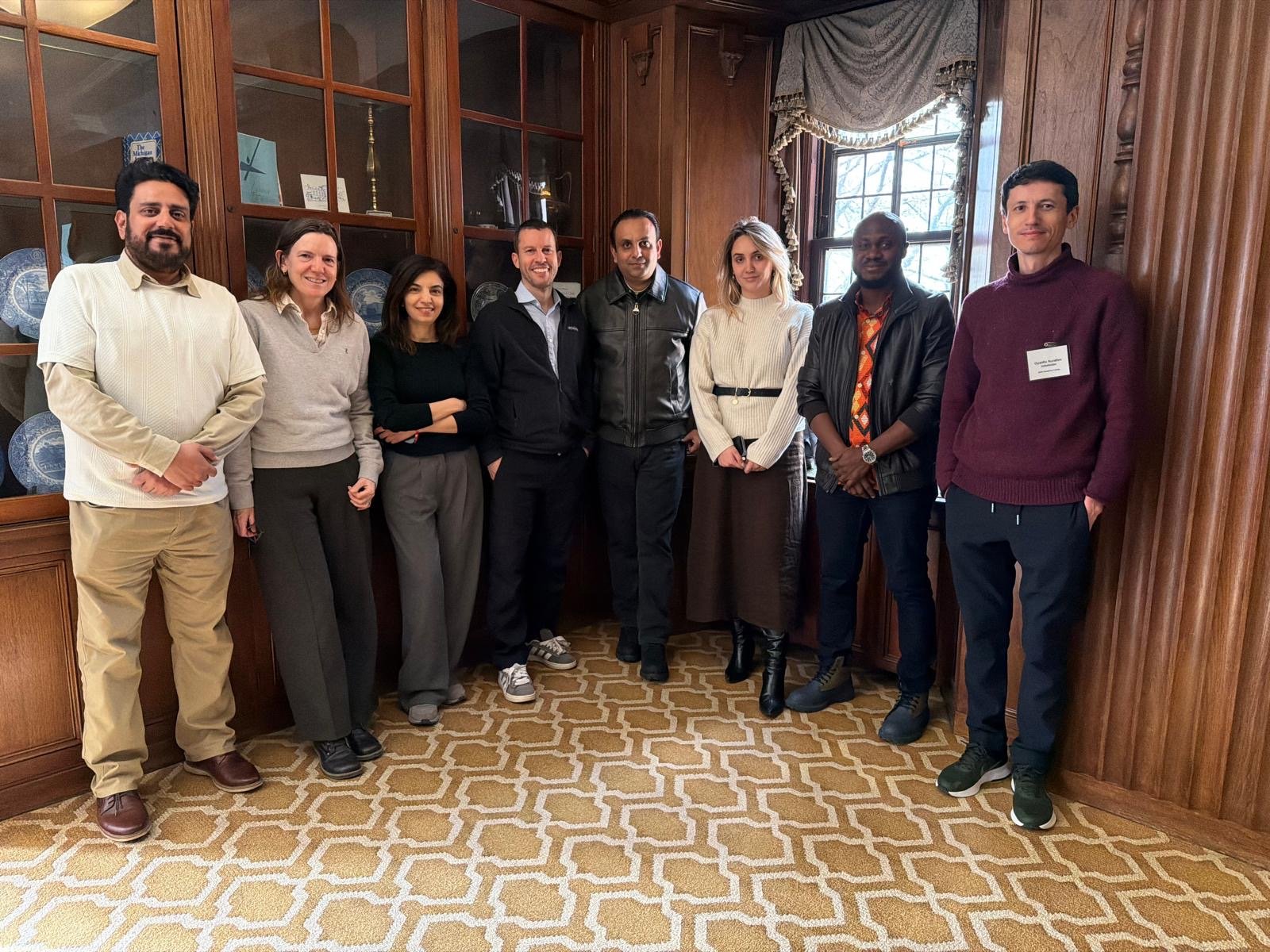
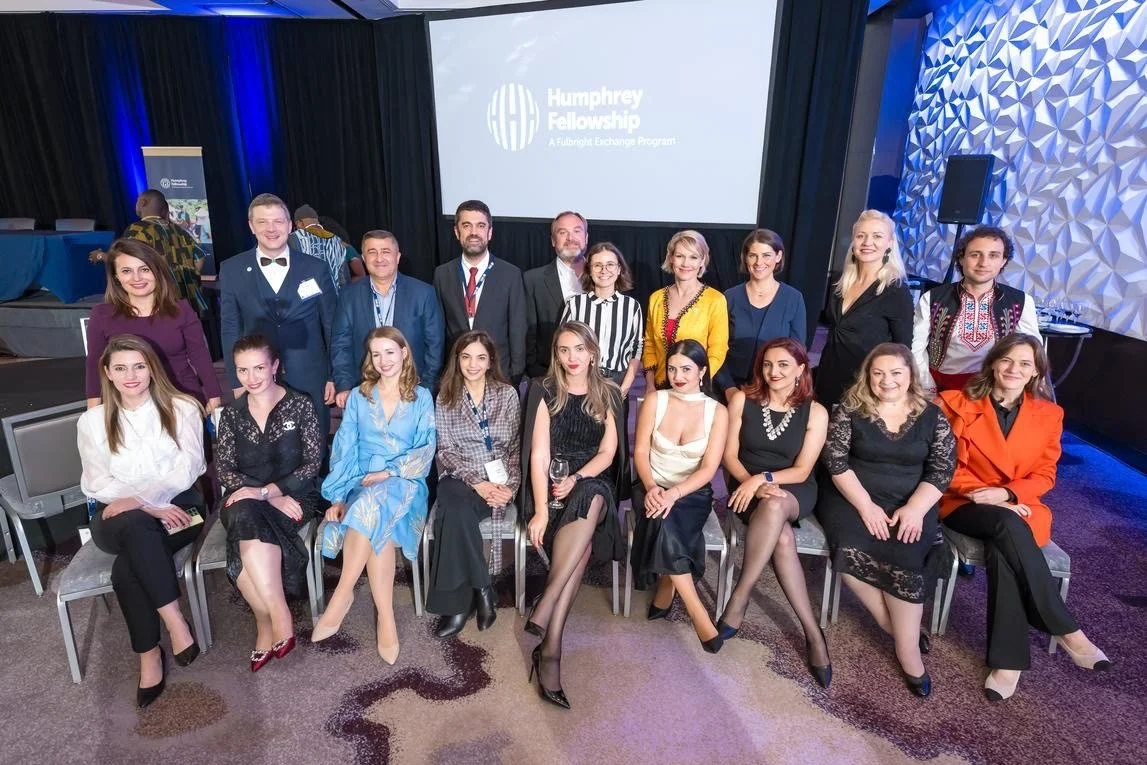
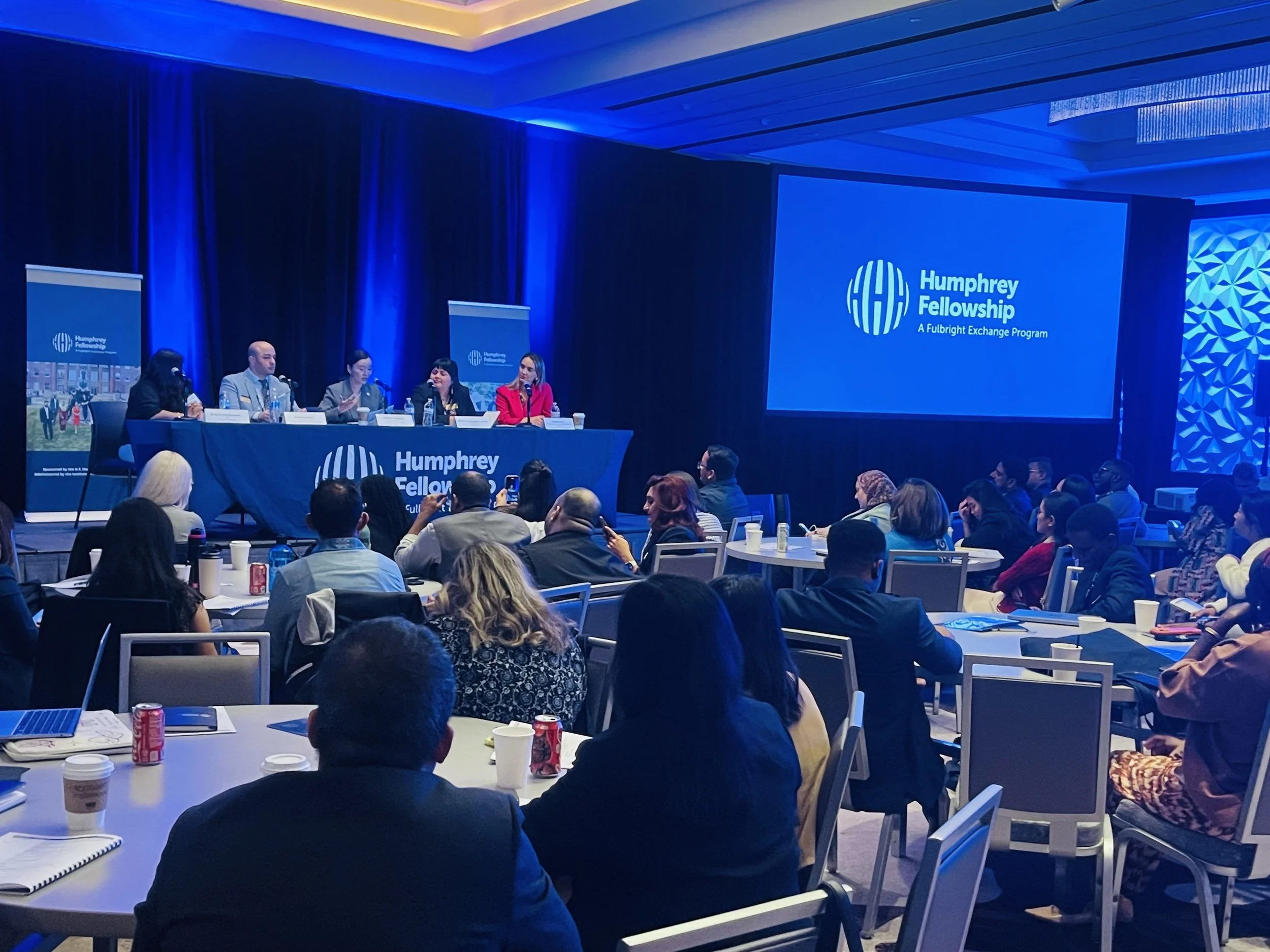
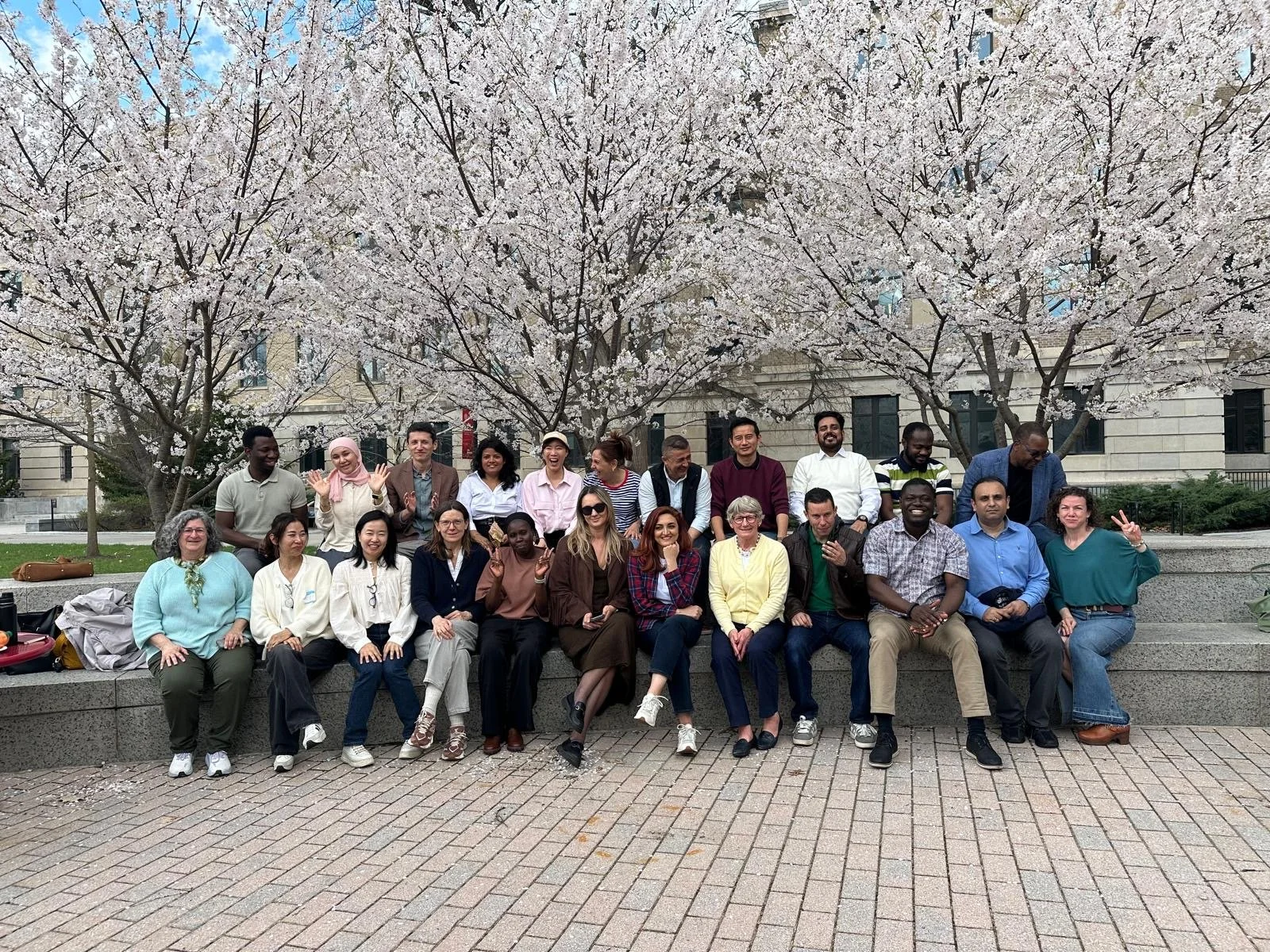
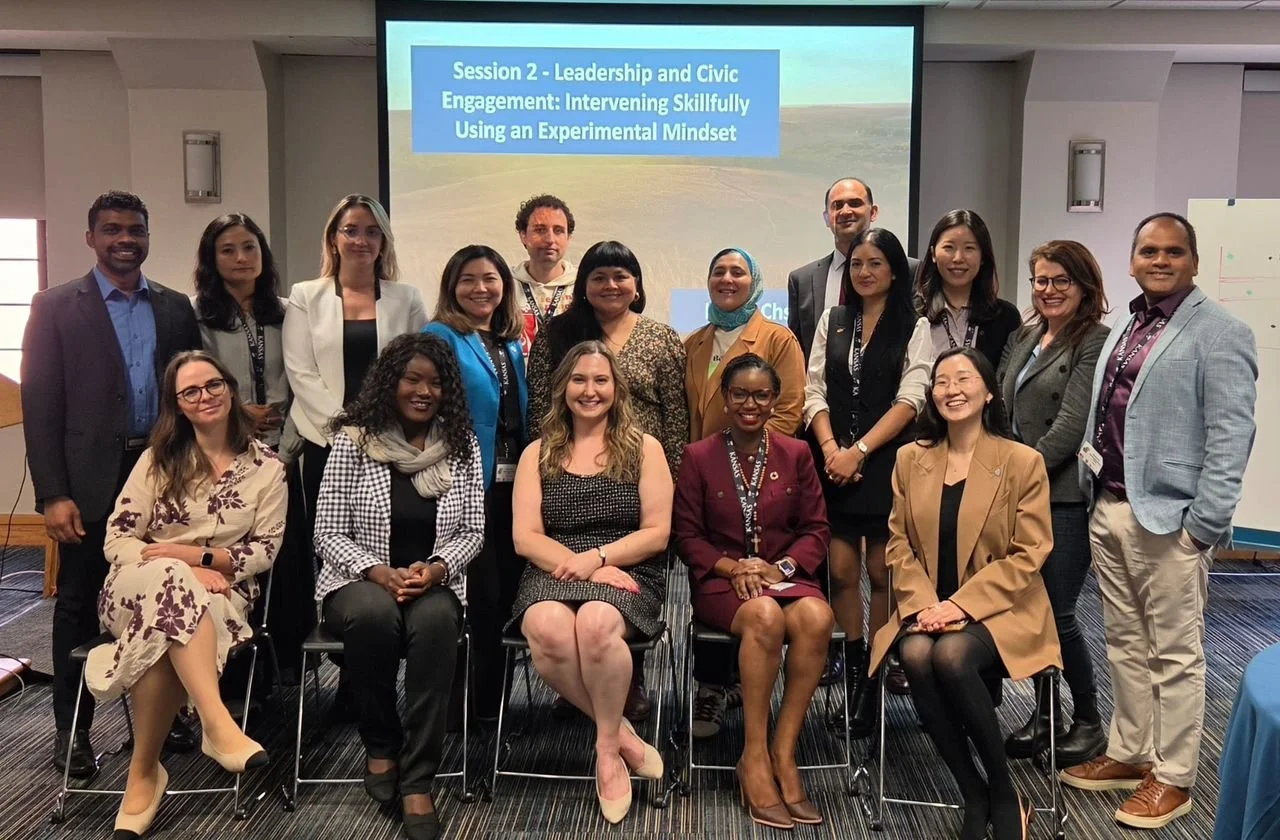
6. How was the application process for you, and what tips do you have for the prospective candidates? I found the application process straightforward, but more demanding than it initially appears. It really pushes you to be clear about what you’ve done and why it matters. My advice is to be specific and honest rather than trying to sound impressive; vague answers stand out quickly. The strongest applications clearly connect past experience to where you’re going next. And start early, getting your answers to that level of clarity takes more time than you think.
7. What is the biggest culture shock you experienced in the U.S.? Honestly, strangers. People will start conversations while you’re waiting in line, comment on your outfit, or ask how your day is going and actually expect an answer. It caught me off guard at first, but it’s also what makes the environment feel more open.

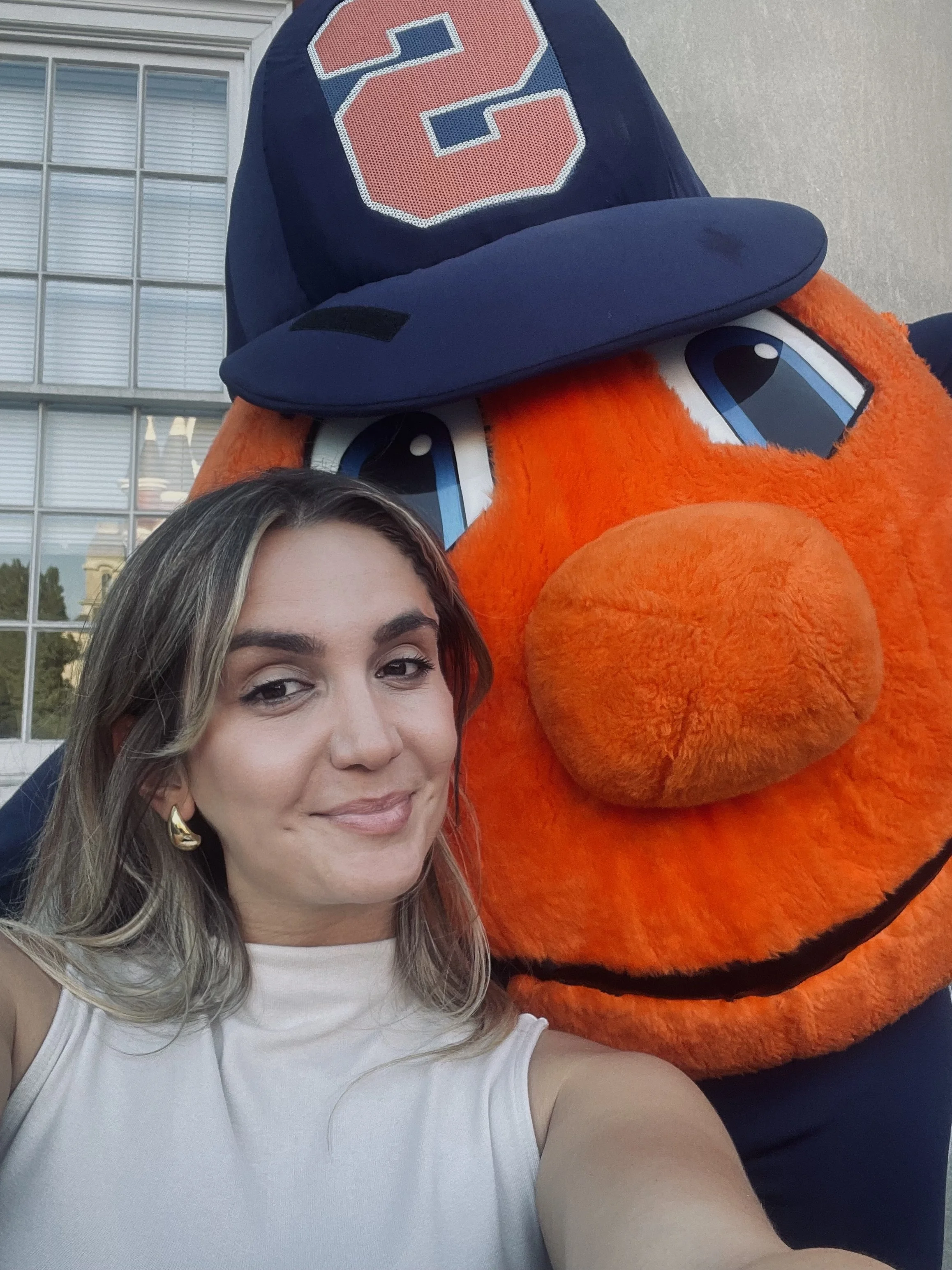
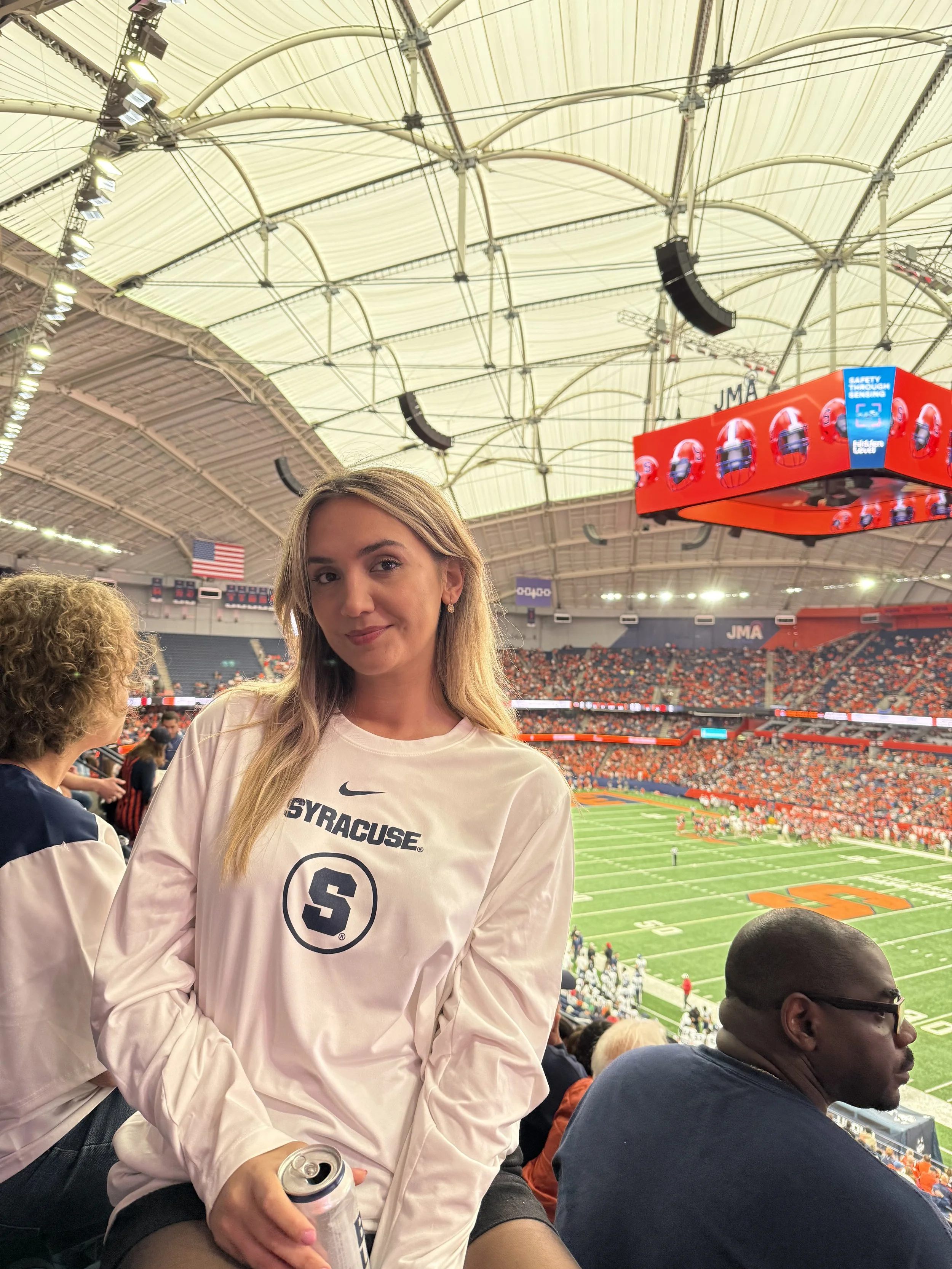
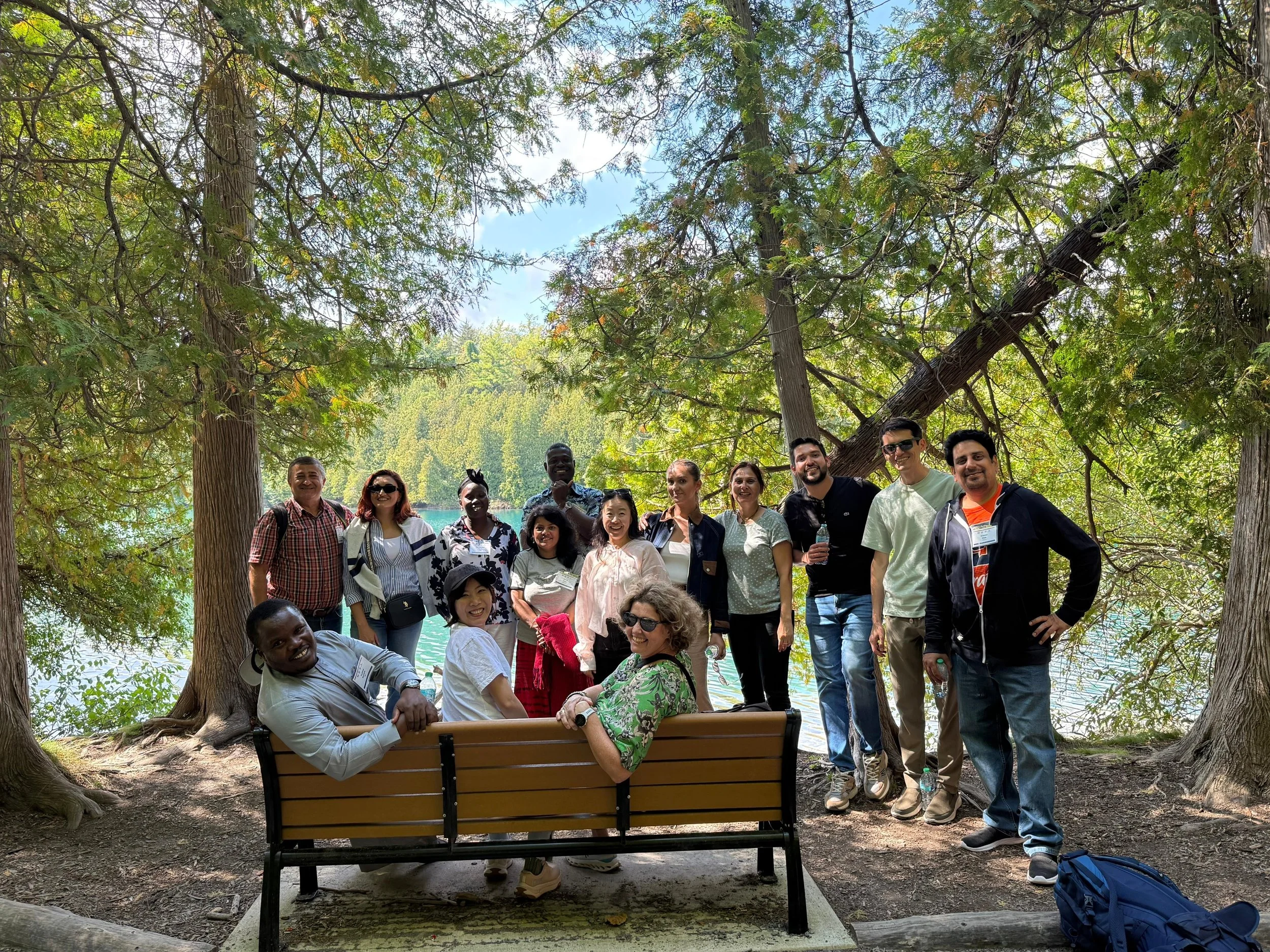
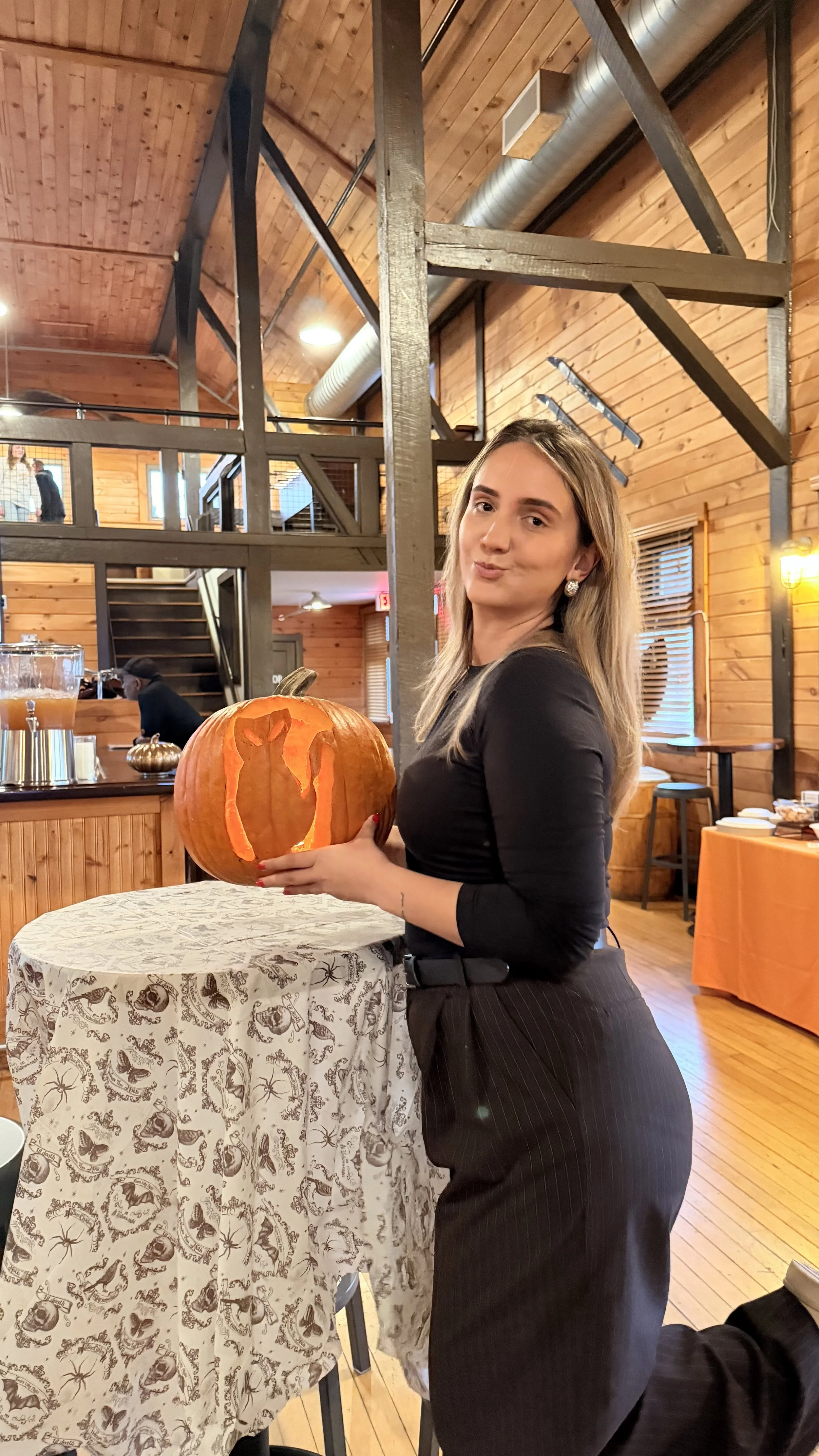
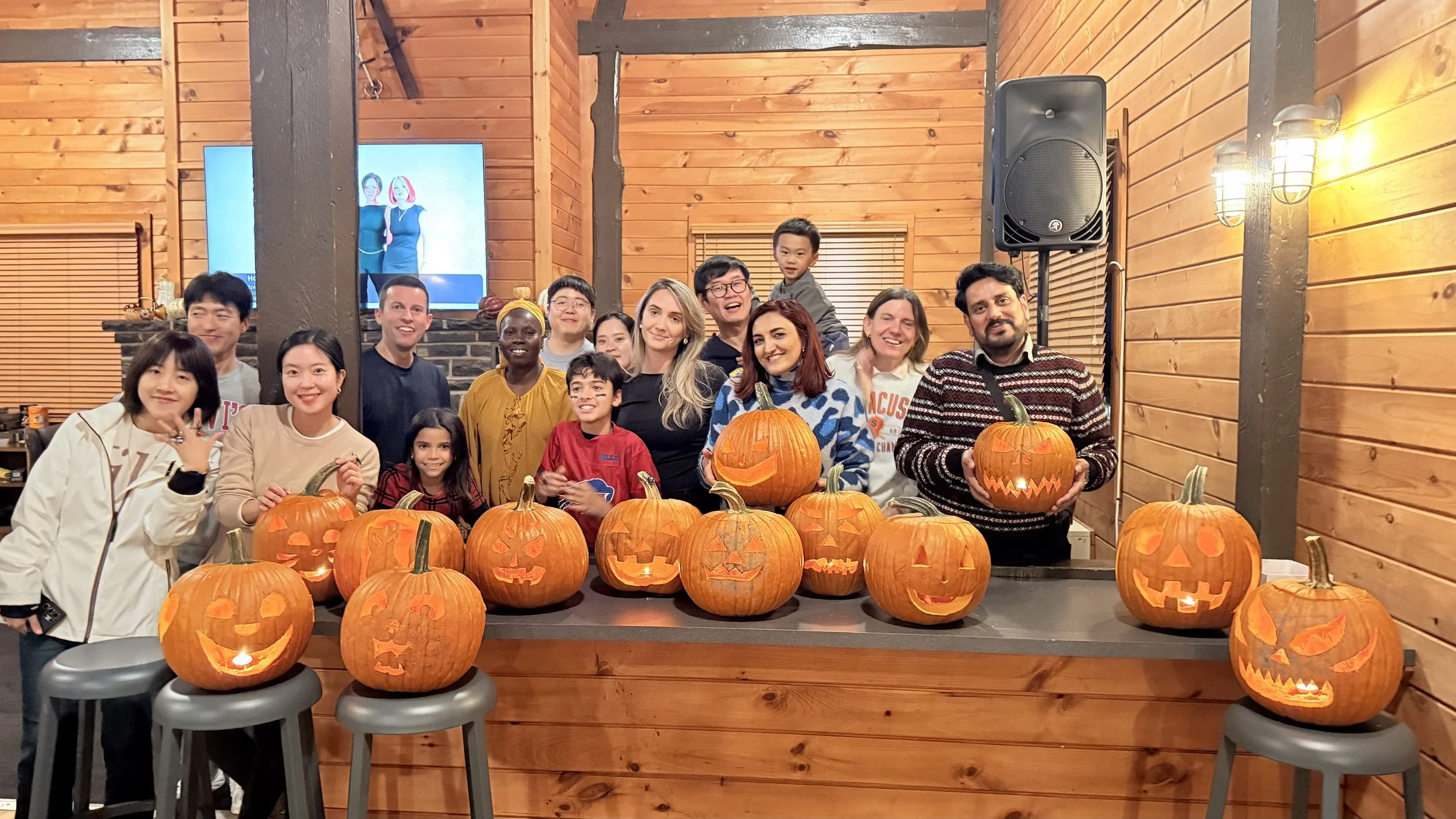
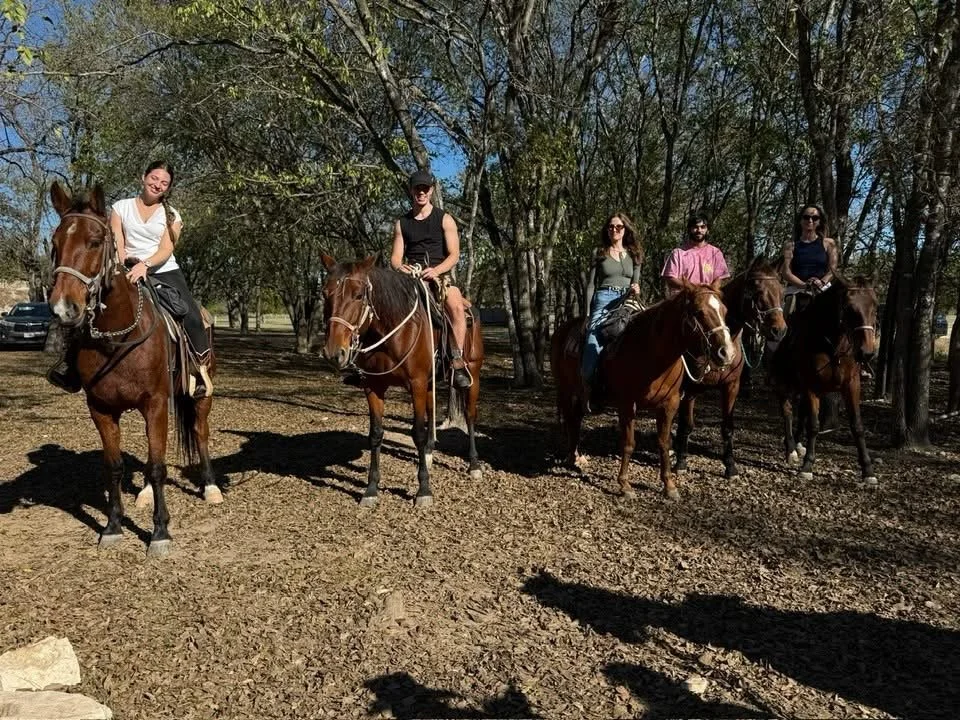
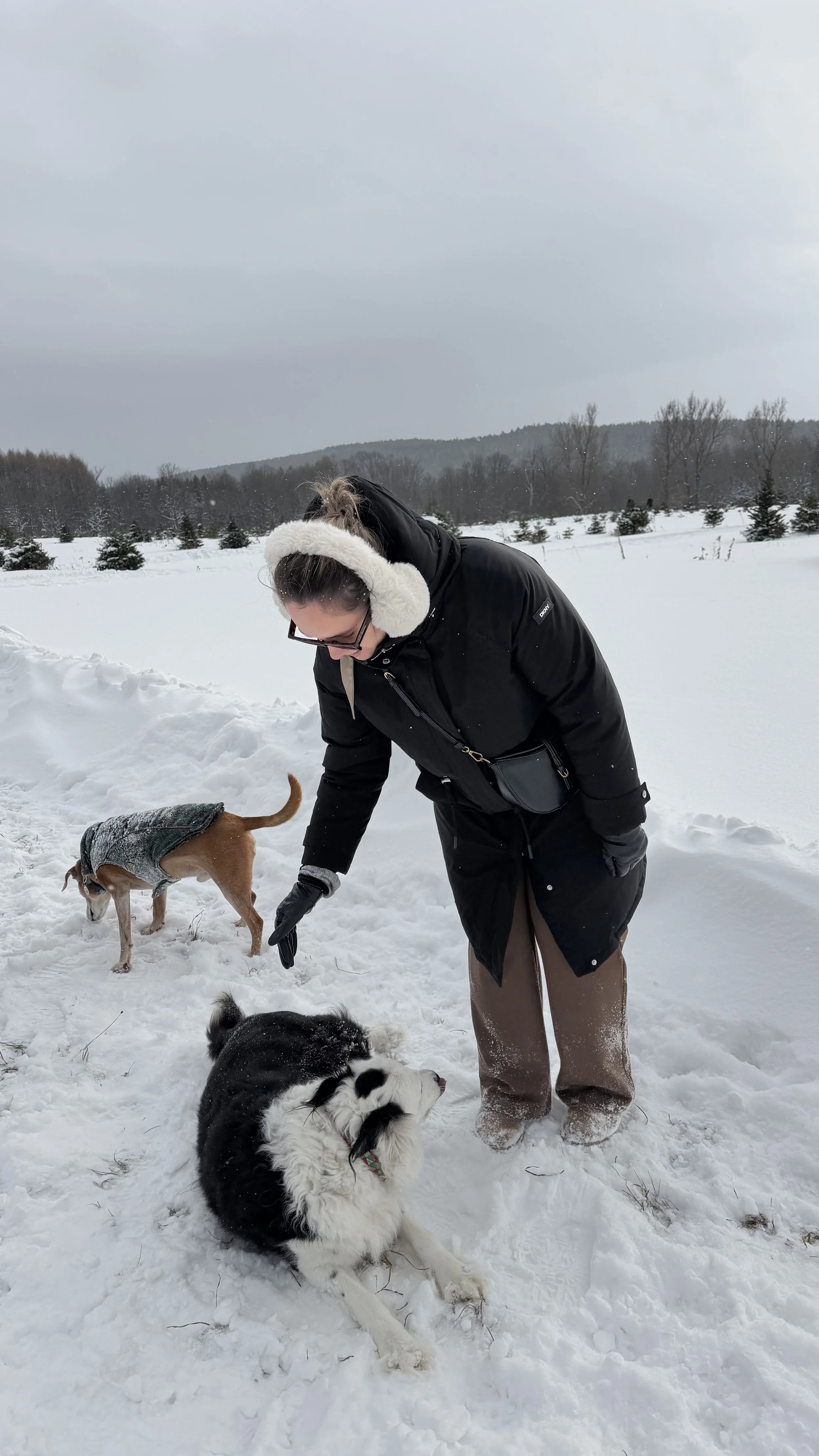
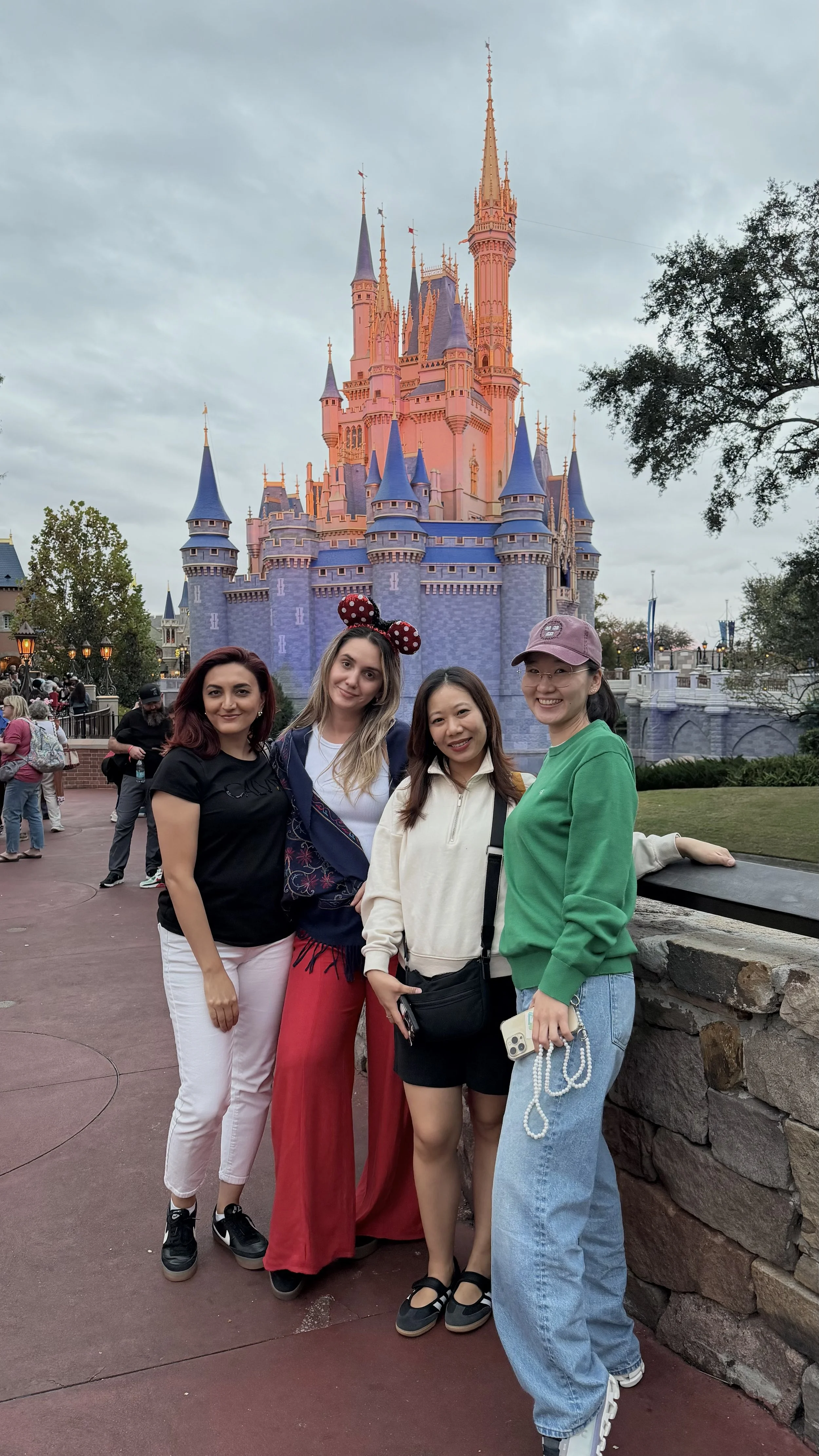
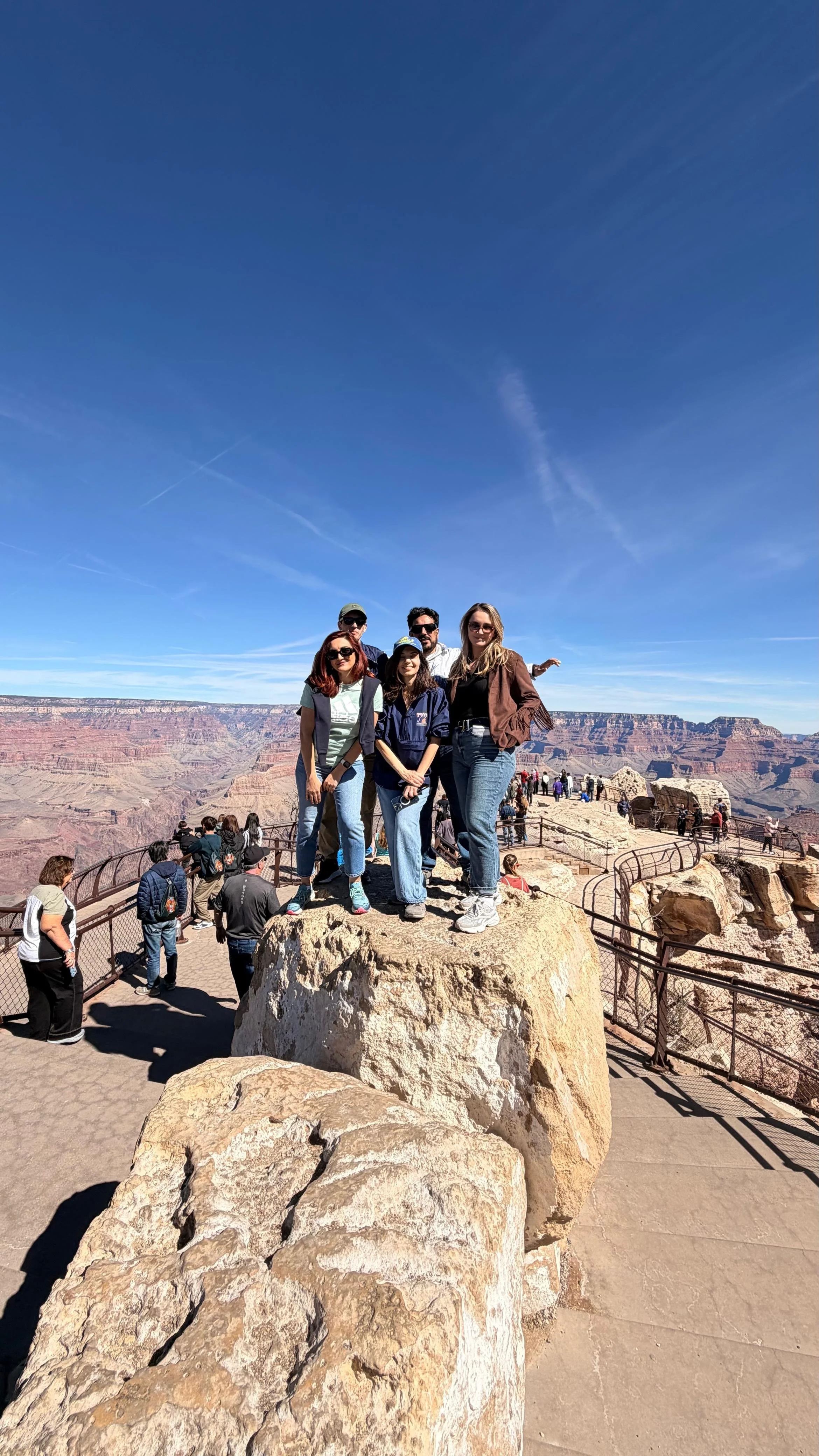
8. What is your favorite place you have visited while participating in the Humphrey program so far? The program has taken me across about 20 states, which has been one of the best parts of the experience. It’s honestly hard to pick a favorite when the contrast is that wide, one moment you’re in Washington, D.C., in the middle of institutions and the next you’re watching bioluminescent waters in Puerto Rico or stumbling on dinosaur footprints near Antelope in Arizona. None of it really compares, and that’s the point. It makes you realize just how much range there is within one country.

9. What is your favorite American dish/food? I’ve unexpectedly developed a habit of coffee, with a lot of syrups. It started as curiosity and turned into a routine. It’s slightly excessive, but I’m not questioning it at this point.