
Inside the Fulbright ETA Experience in Kosovo: Lillian Duma
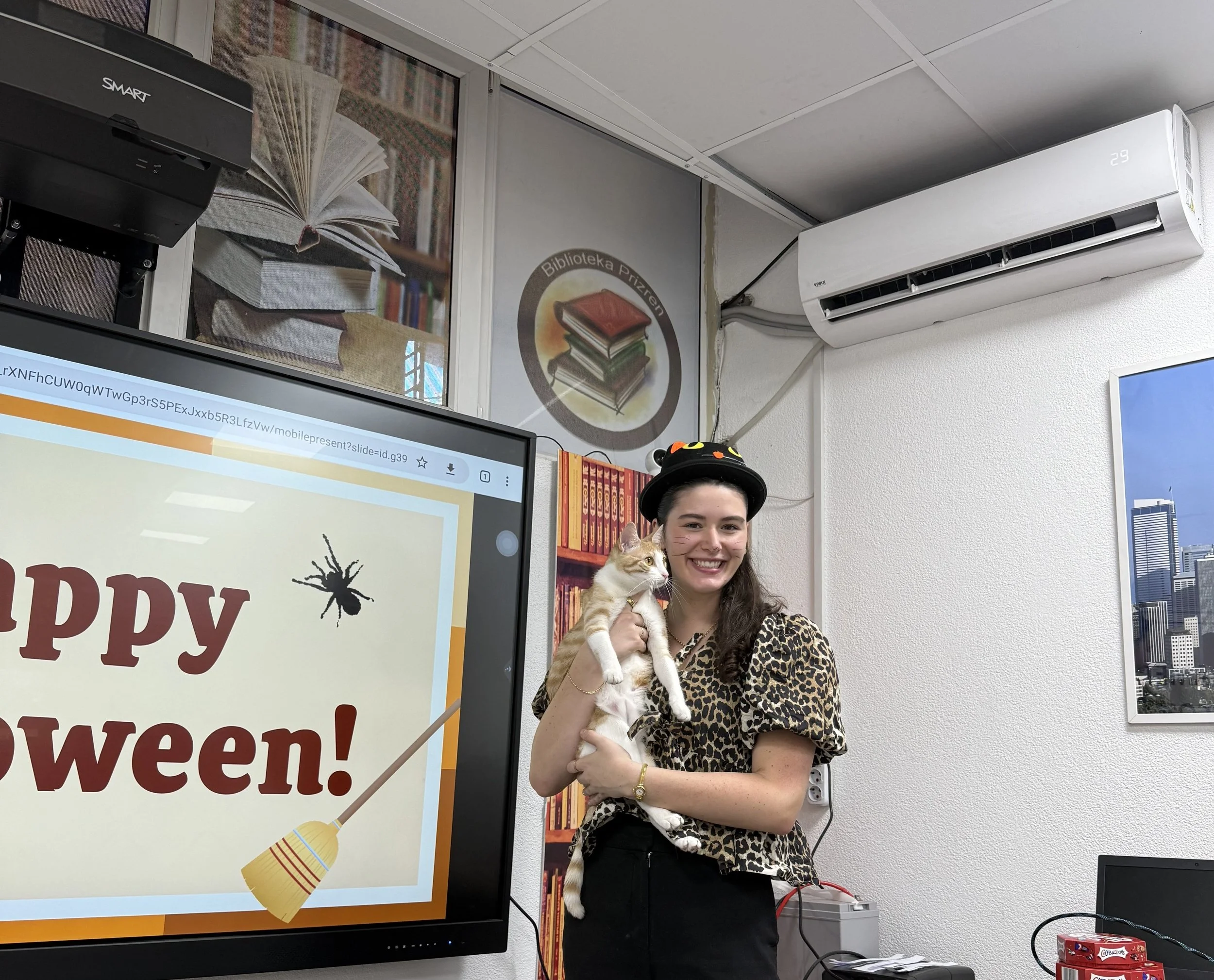
Lillian Duma is a Fulbright English Teaching Assistant (ETA) at the University of Prizren and the American Corner in Prizren, where she works with university students and Access Program participants. She reflects on Kosovo’s rich history, welcoming spirit, and slower pace of life, which have deepened her sense of community and connection to her roots. Through engaging lessons and cultural exchange, ranging from American music to everyday conversations, Lillian fosters curiosity and mutual understanding while continuing to grow as an educator and cultural ambassador.
The Fulbright English Teaching Assistant (ETA) Program places U.S. students in classrooms in Kosovo to support local English teaching staff while teaching the language and serving as cultural ambassadors for the United States.
This program is jointly funded by the U.S. Department of State and the Government of Kosovo.
Please introduce yourself by briefly sharing who you are, where you are currently teaching, and the name of your host institution: My name is Lillian Duma, and I am an English Teaching Assistant at both The University of Prizren and the American Corner in Prizren. I have been in Kosova since late September 2025.
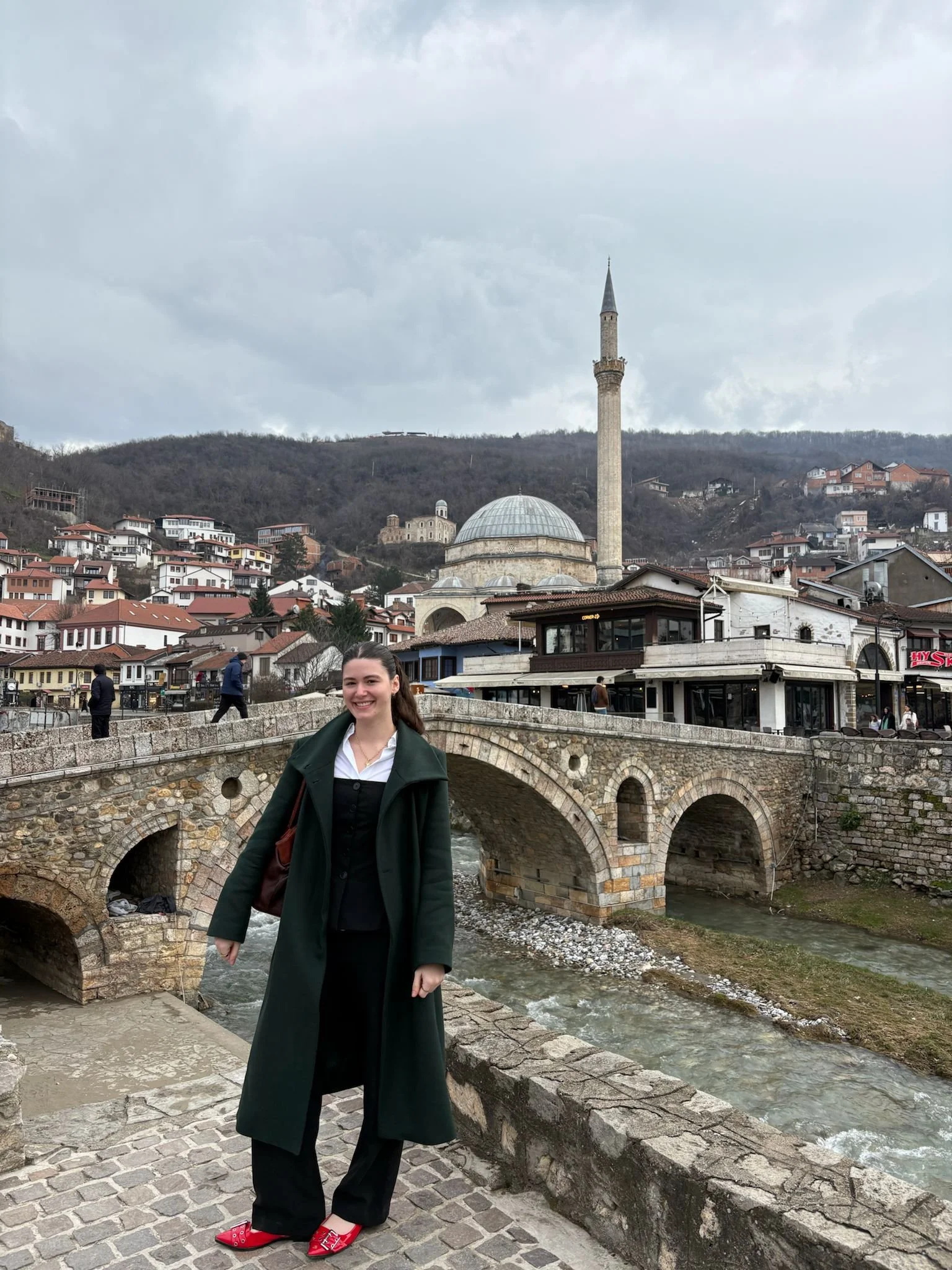
Life in Kosova
What was your very first impression when you arrived in Kosova?
The first time I visited Kosova was actually in November 2023. At that time, I could tell I had stepped foot in a historically and culturally rich country. The statues and art in Skanderbeg Square, coupled with the architectural style of the National Library, taught me that there is so much history that I don’t know. Serving as a Fulbright ETA has confirmed this first impression, I am learning so much!
What’s one thing about life here that you’ve really grown to love?
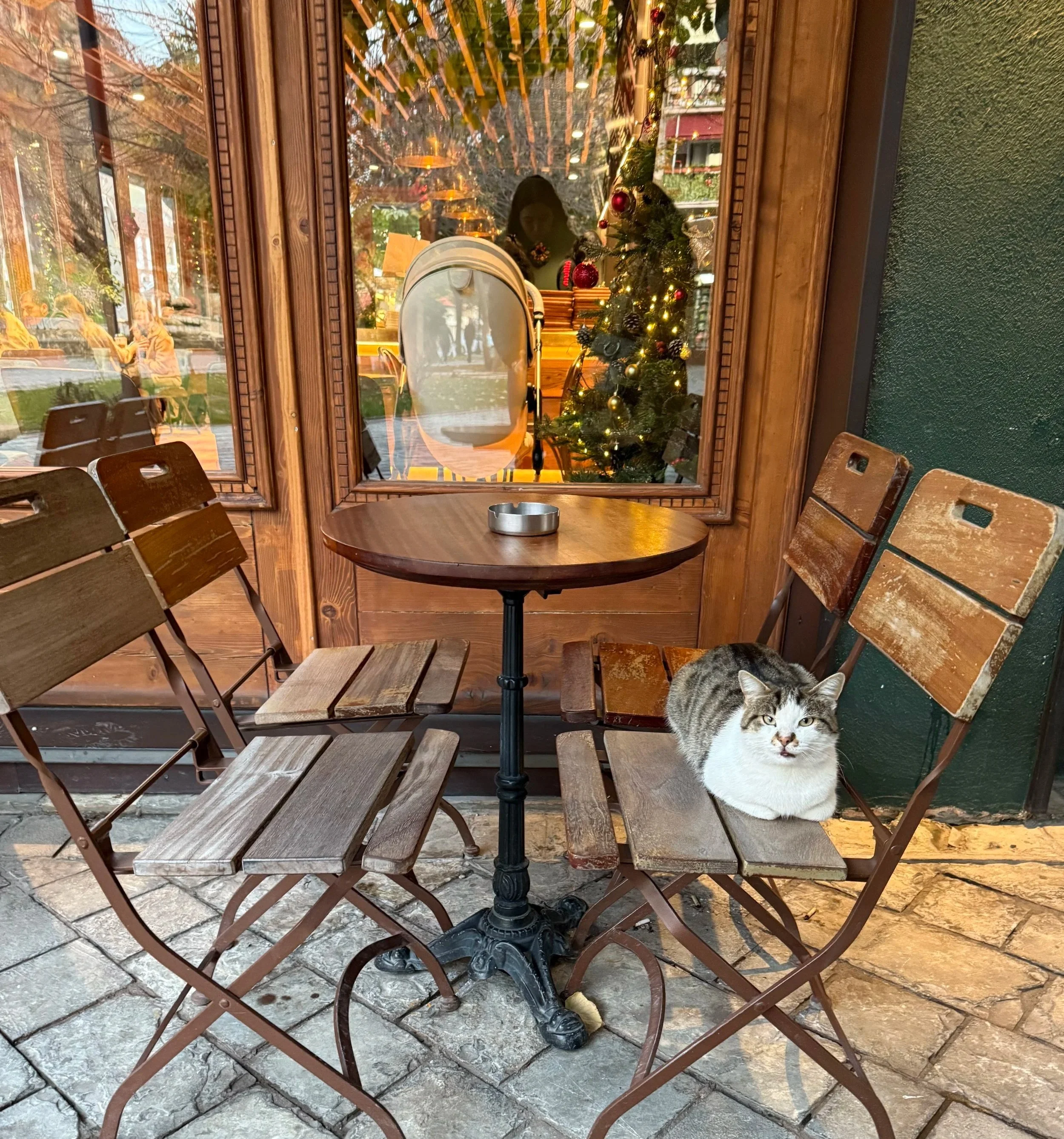
I really love the slow pace of life. At first, I thought I was going to have a hard time adjusting because my lifestyle in the United States has always felt quite intense. However, after adapting to a Kosovar work-life balance, I find myself cherishing slow mornings and social coffee breaks in the middle of the day. These practices make me feel more human and connected to myself and my community. I am very grateful for this change in perspective through my Fulbright experience.
Teaching Moments
How would you describe your students in one word - and why?
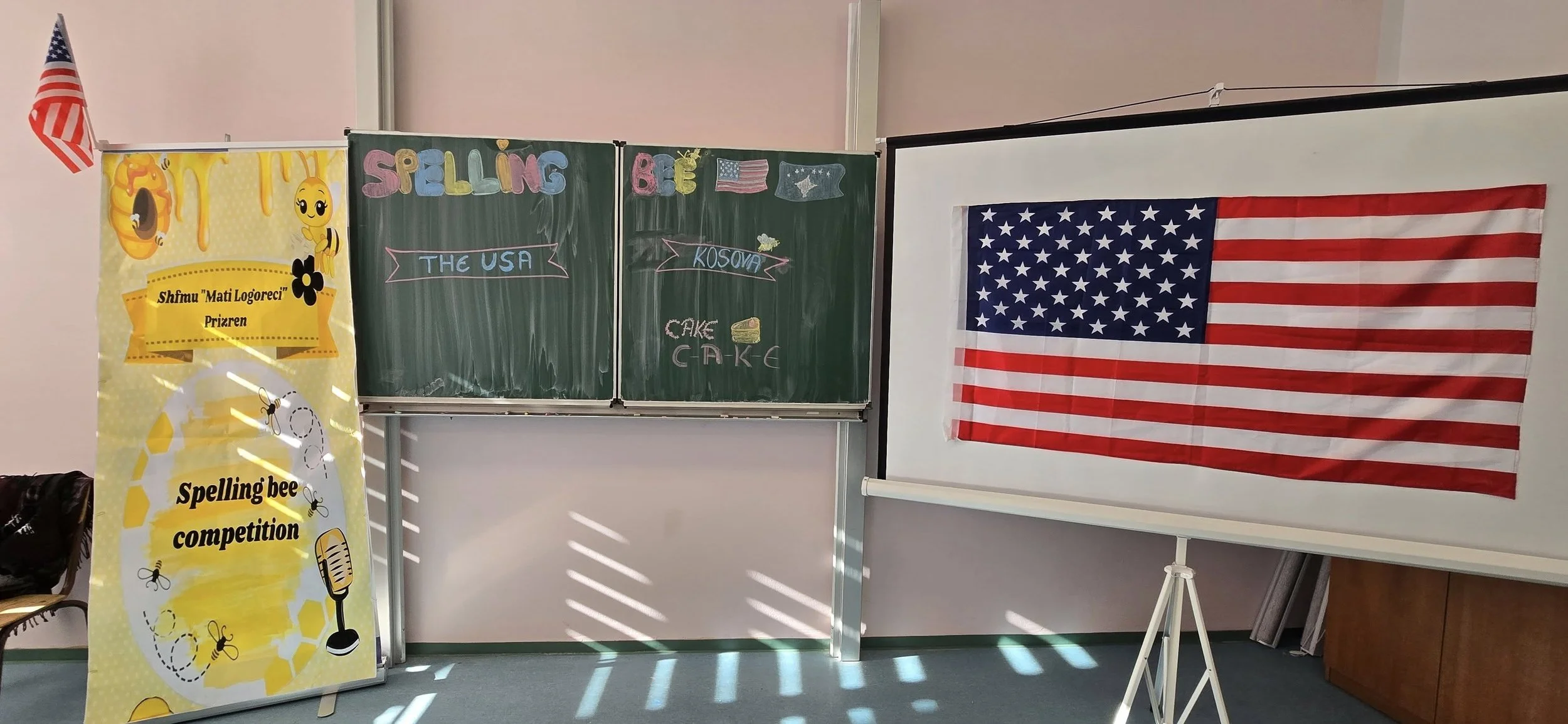
My students at American Corner and the Access Program are inquisitive. As voluntary participants, they come to class expecting to learn and ask questions. I wish I were more like them when I was their age!
What’s been your favorite classroom moment so far?
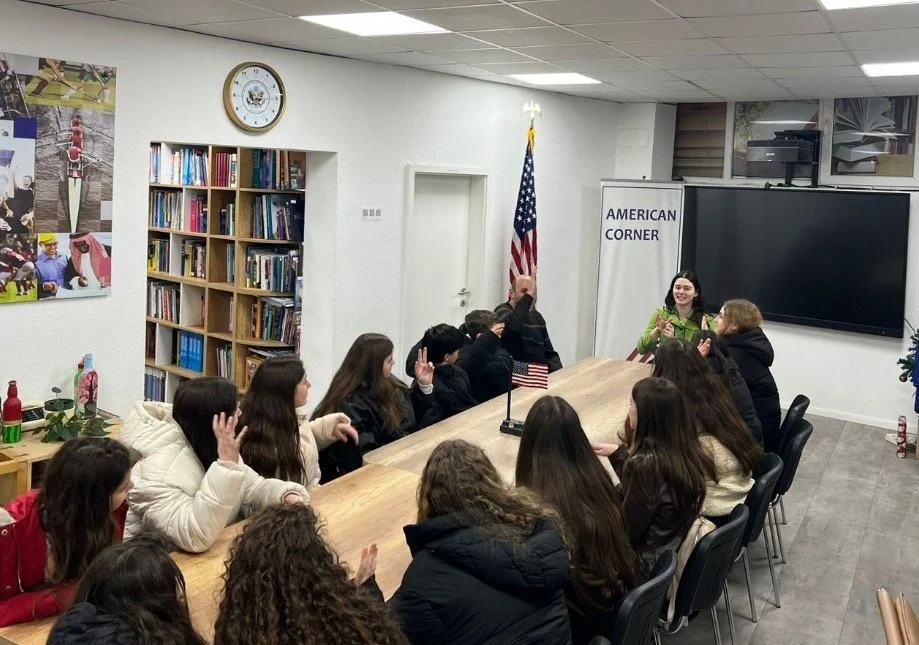
At the beginning of my grant, I led an American music lesson at American Corner with mostly high schoolers. During this session, my students and I discussed the history and genres of incredible artists such as Lauryn Hill, Tracey Chapman, Selena Quintanilla, and The White Stripes. The students engaged with the music and added these artists to their playlists. At that moment, I felt so grateful to have curious and open-minded students who also happen to have great taste!
Cultural Exchange
What’s one cultural difference that surprised you - in a good way?
People in Kosovo are positively welcoming toward the diaspora. When I speak Albanian, even imperfectly, Kosovars respond with encouragement and marvel at my abilities. Additionally, when I tell Kosovars I have roots in Shkodra, they rave about how beautiful they think Shkodra is and how much they love visiting there. The kindness of Kosovars has made me feel like a member of the local community, and I could not be more grateful.
Is there a word, phrase, or tradition from Kosova you’ve picked up and use often?
I love using the phrase “c’bane” to ask “what’s up” because it is like the epitome of the Gheg Albanian dialect. The accent here is so beautiful and underrated compared to the standard Albanian dialect, so I speak it whenever I can.